How Solar Energy Works: Harnessing the Power of the Sun
Introduction: A New Dawn of Renewable Energy
The world is rapidly moving toward cleaner and greener sources of energy, and solar power is at the forefront of this revolution. From households to large industries, solar technology is changing the way we generate electricity. But have you ever wondered how solar energy works and why it has become such a crucial part of the renewable energy sector?
In this blog, we’ll break down the science behind solar power, explore different types of solar panels, look at the benefits of solar energy, and explain why millions of people are making the switch. Whether you’re a homeowner curious about solar panels for home, or a business owner looking for sustainable solutions, this detailed guide will give you the clarity you need.
The Science Behind How Solar Energy Works
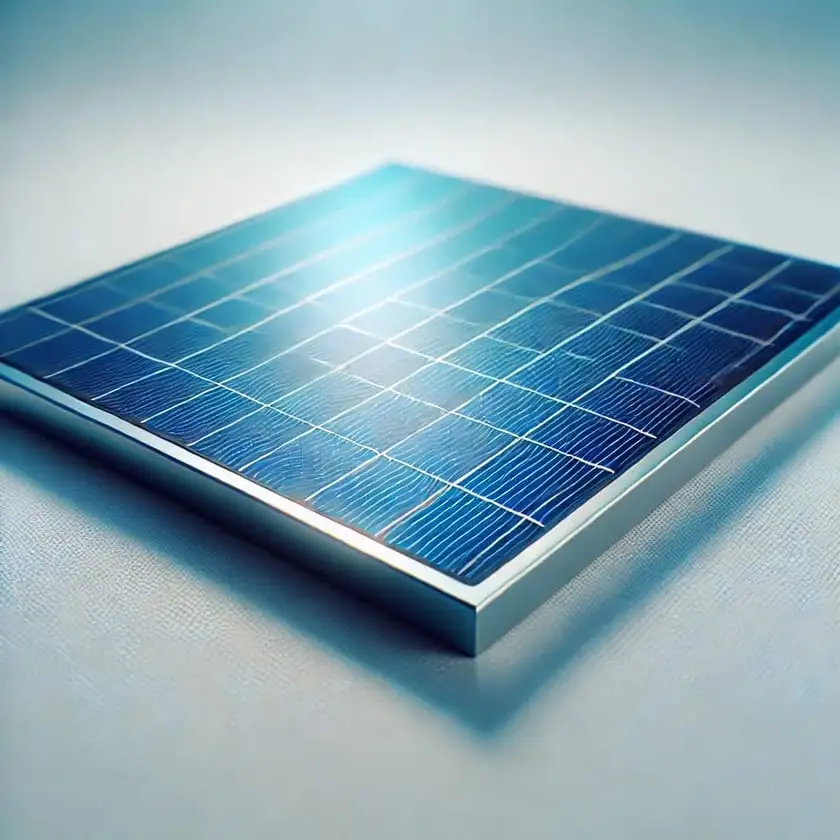
At its core, solar energy is about converting sunlight into usable electricity. The process starts with solar panels, which contain photovoltaic (PV) cells. These PV cells are made from semiconductor materials like silicon. When sunlight hits these cells, it knocks electrons loose, generating a flow of electric current.
This process is called the photovoltaic effect. It’s the same principle that powers calculators with small solar strips, only on a much larger scale when applied to homes, businesses, and solar farms.
The Main Components of a Solar Power System
Solar Panels – The Heart of Solar Energy
Solar panels are designed to capture sunlight and convert it into direct current (DC) electricity. Depending on your budget and space, you can choose between:
-
Monocrystalline panels (high efficiency, longer lifespan)
-
Polycrystalline panels (affordable but slightly less efficient)
-
Thin-film panels (lightweight and flexible, suitable for unique installations)
Understanding how solar energy works at this stage helps homeowners select the right panels for their specific needs.
Inverters – Turning DC into AC
Since most household appliances run on alternating current (AC), inverters are crucial. They convert the DC power generated by panels into usable AC electricity. Without an inverter, your solar panels would not be able to power your home.
Solar Batteries – Storing the Sun’s Power
One of the common concerns about solar power is what happens at night or during cloudy weather. That’s where solar batteries come in. They store excess electricity produced during the day, so you can use it later when sunlight isn’t available.
Net Metering – Selling Power Back to the Grid
Many regions offer net metering policies, allowing homeowners to sell unused solar electricity back to the grid. This reduces energy bills and makes solar installation even more cost-effective.
Types of Solar Energy Systems
Grid-Tied Systems
These are the most common setups, where your solar panels are connected to the local power grid. They are cost-effective and allow you to benefit from net metering.
Off-Grid Systems
Perfect for remote areas, these systems rely completely on solar panels and batteries. They are independent of the grid but require a significant investment in battery storage.
Hybrid Systems
As the name suggests, hybrid systems combine the benefits of grid-tied and off-grid systems. They use both the electricity grid and battery storage, ensuring uninterrupted power.
Why Solar Energy Is the Future
Environmental Benefits
One of the biggest reasons people want to know how solar energy works is its environmental impact. Unlike fossil fuels, solar power does not release harmful greenhouse gases. It reduces carbon footprints and plays a vital role in fighting climate change.
Financial Savings
Installing solar panels can drastically reduce or even eliminate electricity bills. In fact, many homeowners recover the cost of installation within 5–7 years, and enjoy free power for decades afterward.
Energy Independence
By learning how solar energy works and investing in a solar power system, households and businesses can achieve energy independence. No more worrying about rising electricity rates or power shortages.
Solar Panels for Home – A Practical Guide
If you’re considering solar panels for home, here’s what you should keep in mind:
-
Roof suitability: Your roof should have enough sunlight exposure.
-
System size: The number of panels depends on your daily electricity usage.
-
Government incentives: Many regions offer tax credits or rebates to encourage solar adoption.
-
Professional solar installation: Working with certified installers ensures maximum efficiency.
Common Myths About Solar Energy
Myth 1 – Solar Panels Don’t Work in Cloudy Weather
Fact: Solar panels can still produce electricity during cloudy days, although at reduced efficiency.
Myth 2 – Solar Energy Is Too Expensive
Fact: Costs have dropped dramatically in the last decade, making solar more affordable than ever.
Myth 3 – Solar Panels Require Too Much Maintenance
Fact: Solar panels require minimal maintenance—just occasional cleaning and annual checkups.
How Solar Energy Works in Different Applications
Residential Use
From powering household appliances to heating water, solar panels for home provide reliable energy solutions.
Commercial Use
Businesses benefit from reduced operating costs, government incentives, and an eco-friendly brand image.
Industrial Use
Solar farms and large-scale installations supply clean electricity to industries, reducing reliance on fossil fuels.
The Future of Solar Technology
As technology advances, solar energy efficiency is expected to improve even further. Researchers are developing next-generation solar panels with higher conversion rates, lightweight designs, and integrated storage solutions. Innovations like solar roof tiles and transparent solar glass are opening new possibilities.
Conclusion: Powering the World with the Sun
Now that you understand how solar energy works, it’s clear why it has become one of the fastest-growing energy sources worldwide. By harnessing the sun’s power, we can reduce our dependence on fossil fuels, save money on electricity bills, and contribute to a cleaner planet.
Whether you’re looking at solar panels for home, or considering commercial solar installation, one thing is certain: the future is bright with solar energy.
FAQs
1. Do solar panels work at night?
No, solar panels do not generate electricity at night because they rely on sunlight. However, if you have solar batteries, the extra energy stored during the day can be used at night. Additionally, homes connected to the grid can draw electricity when solar production is low.
2. Do solar panels work on cloudy or rainy days?
Yes, but with reduced efficiency. Even under cloudy skies, sunlight still reaches the Earth and activates the photovoltaic cells. On average, solar panels for home can produce 10–25% of their normal output during overcast days.
3. How long do solar panels last?
Most solar panels come with warranties of 20–25 years, but many continue to function beyond that, with slightly reduced efficiency. Regular solar installation checks and minimal maintenance ensure panels last even longer.
4. What are the main advantages of solar energy?
-
Reduction in electricity bills
-
Environment-friendly (no greenhouse gases)
-
Increases property value
-
Eligibility for government solar incentives and rebates
-
Provides energy independence
This makes solar one of the most practical renewable energy sources for both homes and businesses.
5. How much does a solar power system cost?
The cost depends on factors like system size, panel type, and location. Prices have dropped significantly in the last decade. On average, installing solar panels for home can cost between $3,000 to $10,000 (in India, approx ₹2–7 lakhs), but government incentives often reduce this amount.