Agrivoltaics: Integrating Solar with Farming for Dual Benefits
1. Introduction to Agrivoltaics
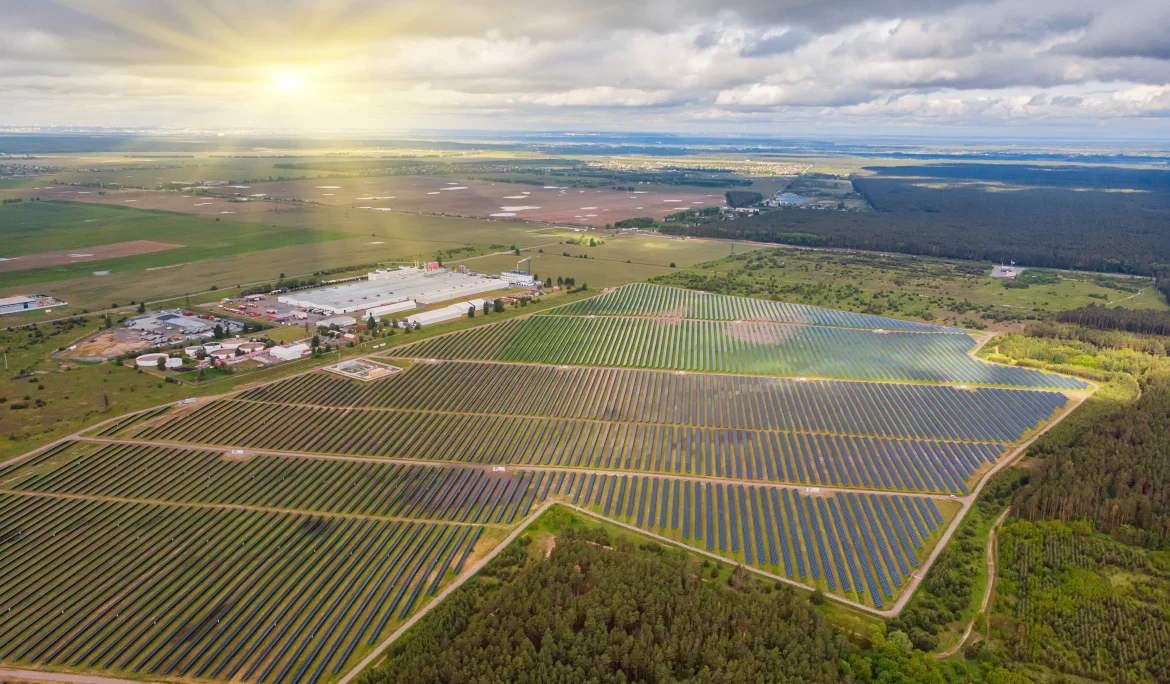
Agriculture and solar power are often seen as competing for the same land. Farmers need open fields for crops, while solar companies look for the same spaces to install large solar panels. But what if both could exist together? That’s where Agrivoltaics: Integrating Solar with Farming for Dual Benefits comes in. This innovative approach combines farming and solar energy production on the same land, ensuring maximum efficiency, higher income for farmers, and progress toward a renewable energy future.
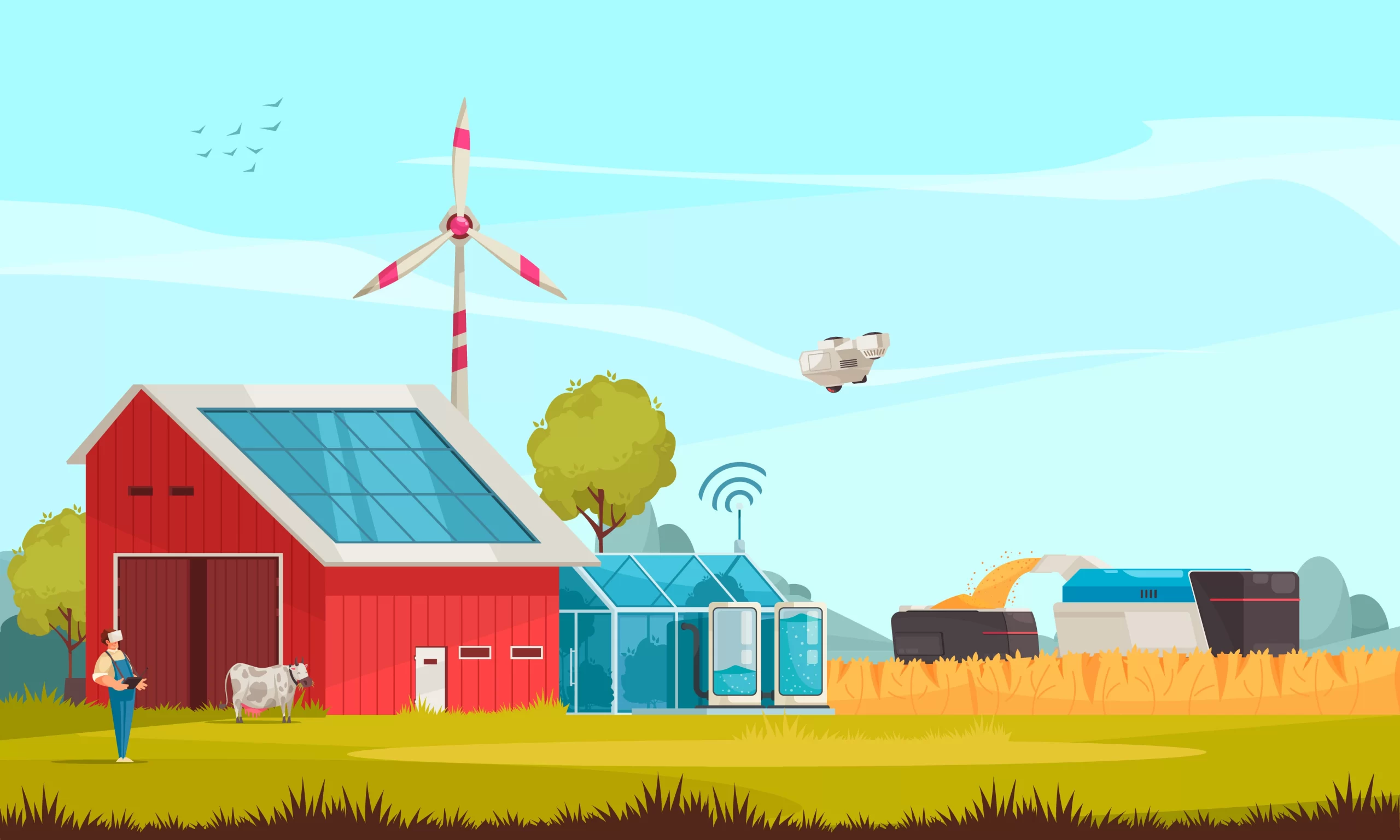
Agrivoltaics is rapidly gaining attention across the world because it allows communities to grow food and generate clean energy at the same time. For countries like India, where agriculture employs millions and solar energy is a national priority, this concept holds extraordinary potential.
2. What is Agrivoltaics?
Agrivoltaics is the practice of installing solar panels above or alongside crops to create a shared land-use system. The panels are elevated high enough to allow sunlight, irrigation, and machinery to reach the crops while still producing solar power.
This system benefits both sectors:
-
Farmers can earn from crop sales as well as from solar energy.
-
Solar companies can install renewable energy projects without disrupting local agriculture.
In simple words, Agrivoltaics: Integrating Solar with Farming for Dual Benefits means growing food under the shade of solar panels while generating electricity for homes and businesses.
3. Why Agrivoltaics is Important for the Future
3.1 Growing Demand for Renewable Energy
The global shift toward clean energy is unstoppable. With rising electricity costs, climate change concerns, and government incentives, solar energy has become one of the most popular solutions. According to studies, global solar installation capacity grows by millions of megawatts every year. But the challenge is land availability.
3.2Food Security and Sustainable Farming
On the other hand, agriculture faces increasing pressure from climate change, droughts, and land degradation. Farmers need modern solutions that help them adapt. Sustainable farming practices like agrivoltaics provide shade to crops, reduce water usage, and protect the soil while still supporting food production.
4. How Agrivoltaics Works
4.1 Solar Panels Above Crops
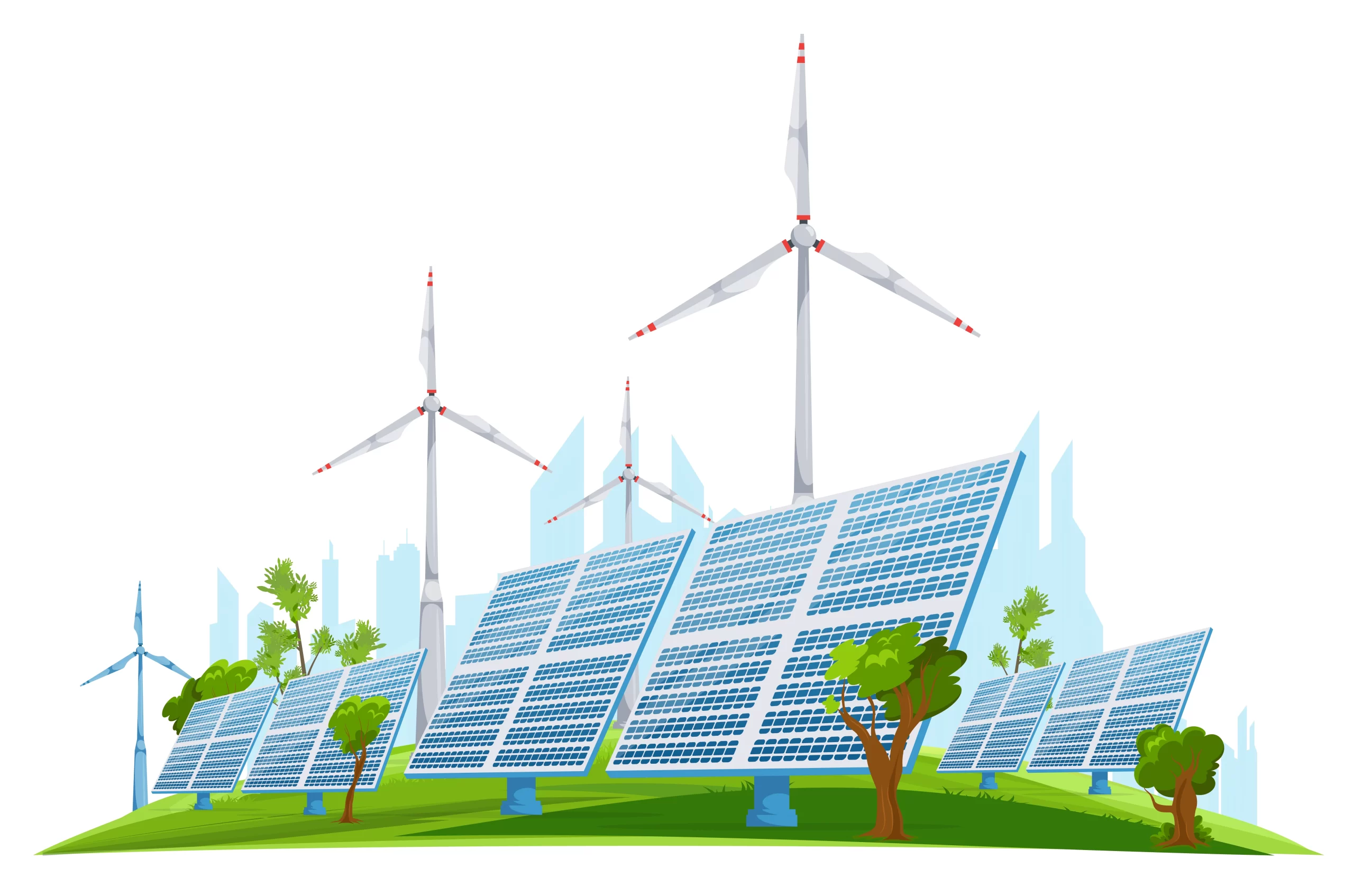
In agrivoltaic systems, solar panels are installed higher than in normal solar farms. This allows farm machinery to pass through and crops to grow without disturbance.
4.2 Sharing Sunlight for Energy and Food
The panels are spaced strategically so crops still get sufficient light. Some plants, like tomatoes, spinach, or grapes, actually perform better with partial shading, as too much direct sunlight can damage them.
4.3 Water Efficiency
One of the biggest advantages of solar energy in agriculture is improved water retention. The shade from solar panels reduces evaporation, meaning farmers use less water for irrigation.
4.4 Dual Income for Farmers
Farmers not only sell their crops but also earn from solar power in agriculture, either by selling electricity back to the grid or leasing land to solar companies. This dual-income model makes farming more profitable and secure.
5. Advantages of Agrivoltaics
5.1 Economic Benefits
-
Increased farmer income from dual revenue streams.
-
Long-term financial security with solar installation contracts.
-
Lower electricity costs for rural communities.
5.2 Environmental Benefits
-
Reduced greenhouse gas emissions by replacing fossil fuels with renewable energy.
-
Protection of crops from extreme weather conditions.
-
Better land utilization without conflict between farming and solar.
5.3 Social Benefits
-
Creation of jobs in both the agriculture and solar industries.
-
Boost to local economies.
-
Promotion of sustainable farming practices that inspire future generations.
6. Challenges of Agrivoltaics
While the potential is vast, some challenges remain:
-
Higher initial investment for advanced solar installation structures.
-
Need for farmer training on managing crops under solar panels.
-
Regional differences in crop types and sunlight availability.
-
Coordination between farmers, governments, and solar companies.
However, with government support, technological advancements, and strong partnerships, these challenges can be overcome.
7. Agrivoltaics Around the World
7.1 In Europe
Countries like France and Germany are pioneers in agrivoltaics. They use elevated solar panels to protect vineyards and vegetable crops from heatwaves and frost.
7.2 In the United States
American farmers are adopting agrivoltaics to grow crops like lettuce, peppers, and berries under solar power projects. Universities are actively researching how different crops respond to this system.
7.3 In India
India is emerging as a strong player in this field. With abundant sunlight and agriculture-driven communities, Agrivoltaics: Integrating Solar with Farming for Dual Benefits is a perfect match. Pilot projects in states like Gujarat and Maharashtra are already showing successful results.
8. Agrivoltaics and Climate Change
One of the strongest reasons to adopt agrivoltaics is its contribution to fighting climate change. By combining renewable energy with sustainable farming, agrivoltaics reduces carbon footprints and promotes food security.
Instead of competing for land, farming and solar energy production can work together. This synergy is what makes Agrivoltaics: Integrating Solar with Farming for Dual Benefits a true solution for the 21st century.
9. The Future of Agrivoltaics
Experts predict that agrivoltaics will expand rapidly in the next decade. With supportive policies, better technology, and rising demand for clean energy, more farmers and solar companies will invest in this dual-use system.
Future possibilities include:
-
AI-powered solar farms that monitor crop health and energy production.
-
Smart irrigation systems powered by solar panels.
-
Expansion to orchards, rice fields, and large-scale farms.
10. Conclusion
Agriculture and renewable energy are the lifelines of human survival. Instead of competing for space, they can complement each other beautifully through Agrivoltaics: Integrating Solar with Farming for Dual Benefits.
This approach creates a win-win situation: farmers earn more, consumers get reliable food supply, and societies move closer to a cleaner and greener future. With the rising importance of solar energy and sustainable farming, agrivoltaics is not just a trend but a necessity for a better tomorrow.
11. Frequently Asked Questions (FAQs) on Agrivoltaics
1. What does agrivoltaics actually mean?
Agrivoltaics is the idea of using the same piece of land for both farming and solar energy production. It allows farmers to keep growing crops while solar panels above them generate electricity.
2. How can agrivoltaics help farmers?
It gives farmers two income sources — one from their harvest and another from selling electricity or leasing land to solar companies. At the same time, the panels protect crops from harsh sunlight and help save water.
3. Do crops really grow well under solar panels?
Yes, many crops such as leafy greens, tomatoes, and grapes can benefit from partial shade. In some cases, yields are even better because the plants are protected from extreme heat.
4. Is agrivoltaics too costly to set up?
The starting cost is higher than regular farming or solar projects, since the panels need to be raised above the fields. But over time, the extra income and lower energy bills usually balance out the investment.
5. Why is agrivoltaics important for the future?
It brings together two essential needs — food and clean energy. With agrivoltaics, land is used more efficiently, farmers earn more, and society benefits from sustainable farming and renewable power.