
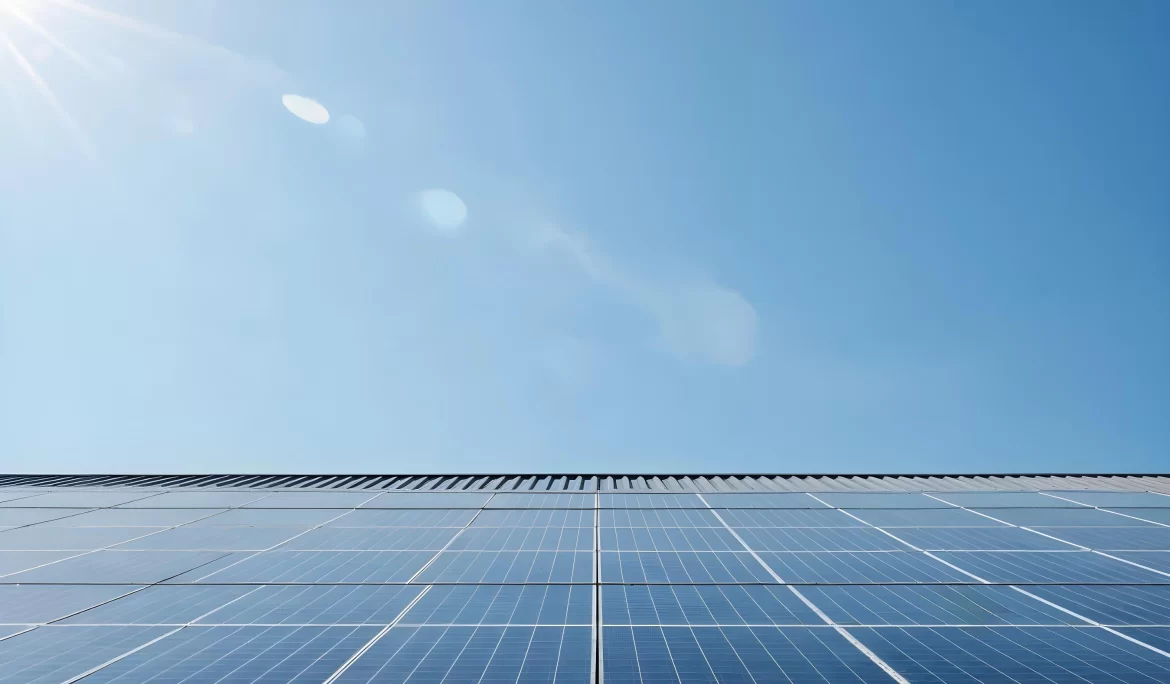
Future of Innovations in Building-Integrated PV (BIPV): Solar in Your Windows & Roof
Introduction
The demand for clean energy is growing rapidly, and Building-Integrated Photovoltaics (BIPV) is emerging as a groundbreaking solution that merges design, technology, and sustainability. Unlike traditional solar systems mounted on rooftops, BIPV integrates solar cells directly into building materials such as windows, facades, and roofs. This not only generates renewable energy but also enhances architectural design, reduces material costs, and improves energy efficiency.
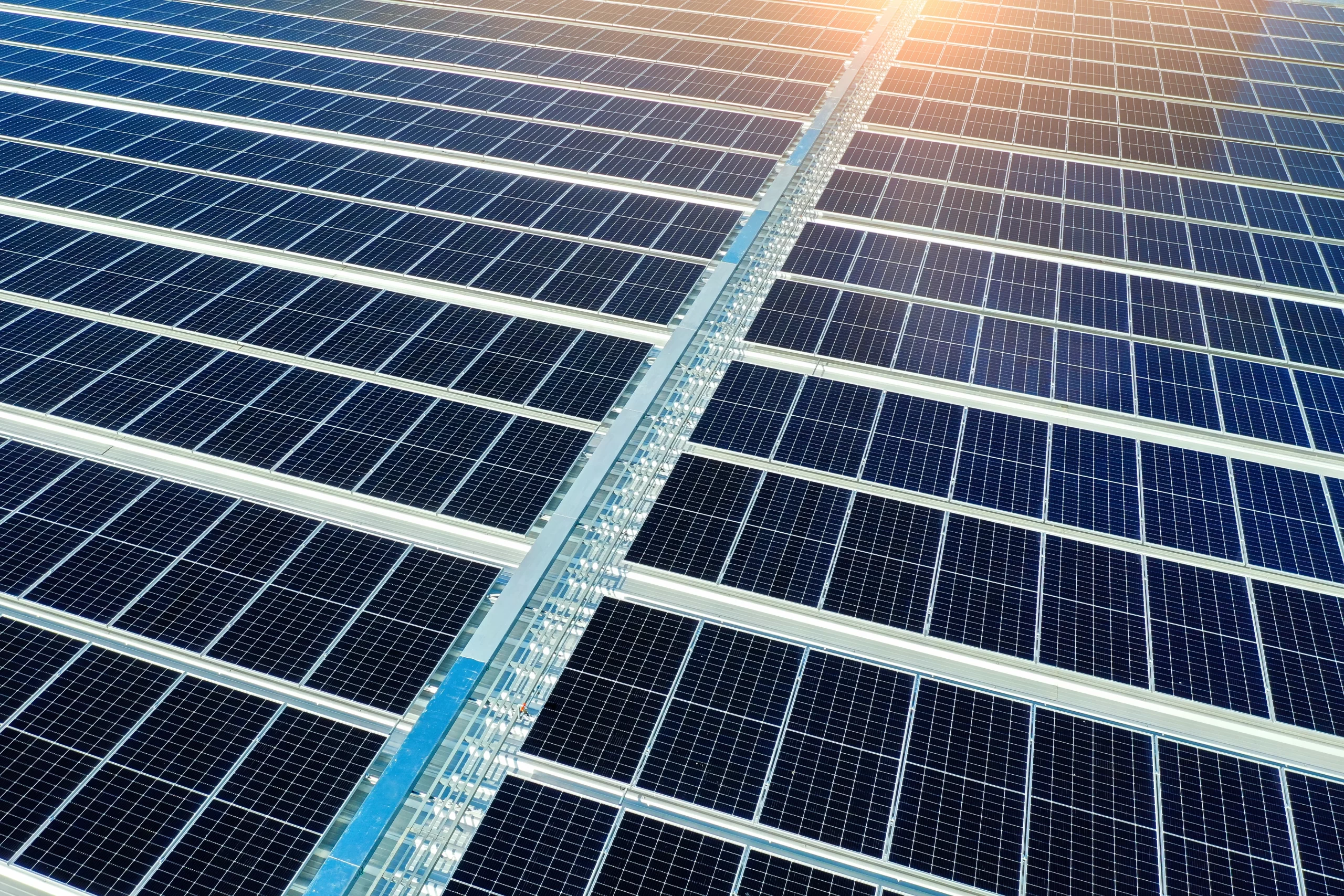
In this blog, we’ll dive deep into the innovations in Building-Integrated PV (BIPV): solar in your windows & roof, exploring how it works, the role of solar inverters, and why solar panel installation in modern architecture is shifting towards integrated solutions. We’ll also cover benefits, challenges, market growth, and future prospects while naturally integrating high-search-volume secondary keywords like solar energy, solar power systems, renewable energy, and solar technology.
1: What is Building-Integrated Photovoltaics (BIPV)?
BIPV refers to photovoltaic (PV) elements that are integrated directly into the structure of a building rather than being added afterward. Examples include solar windows, solar roof tiles, and façade panels. Unlike traditional solar panels, BIPV products serve a dual function: they replace conventional building materials and simultaneously generate electricity.
BIPV systems typically consist of:
- Solar modules integrated into construction materials
- Solar inverters to convert DC electricity into usable AC
- Mounting structures designed seamlessly within the building design
- Energy storage options, such as solar batteries, to store excess power
The trend toward BIPV represents a major innovation in the solar industry, especially as urban areas strive to maximize renewable energy potential without compromising on space or aesthetics.
2: Innovations in Building-Integrated PV (BIPV): Solar in Your Windows & Roof
2.1: Solar Windows – Transparent Energy Generators
One of the most exciting advancements in BIPV is solar windows. Using transparent photovoltaic glass, windows can generate electricity while allowing natural light inside. These windows not only reduce reliance on artificial lighting but also contribute to powering the building itself.
Recent innovations in thin-film technology and organic PV materials have made it possible for windows to produce energy efficiently while maintaining clarity. By pairing them with a high-quality solar inverter, the energy from solar windows can be used to power lighting, appliances, and HVAC systems.
2.2: Solar Roofs – Tiles and Shingles
Traditional rooftop solar panels often alter the design aesthetics of buildings. BIPV solves this problem with solar roof tiles and shingles that look like conventional roofing materials but have embedded photovoltaic cells. These tiles are durable, weather-resistant, and capable of delivering significant electricity output.
Combined with efficient solar panel installation, solar roofs can transform residential and commercial properties into self-sufficient energy hubs. Homeowners especially appreciate that they don’t need separate installations – the roof itself becomes a renewable energy generator.
2.3: Façade Integration
Beyond windows and roofs, BIPV can also be integrated into building facades. Solar façades not only reduce energy costs but also enhance insulation and minimize heat transfer, creating sustainable and energy-efficient buildings.
3: Role of Solar Inverter in BIPV Systems
A solar inverter is the heart of any solar energy system, including BIPV. Its function is to convert the direct current (DC) produced by solar modules into alternating current (AC), which is the usable electricity for homes and businesses.
In BIPV systems, advanced inverters provide features such as:
- Real-time monitoring of energy production
- Enhanced efficiency and reduced energy loss
- Integration with smart grids and IoT devices
- Compatibility with solar energy storage systems
Without an efficient solar inverter, even the most advanced BIPV windows or roof tiles cannot deliver their full potential.
4: Advantages of BIPV Systems
4.1: Dual Functionality
BIPV eliminates the need for separate construction materials and solar panels. Windows, roofs, or façades act as both protective surfaces and energy producers.
4.2: Aesthetic Appeal
Unlike bulky panels, BIPV solutions blend seamlessly into the architecture of modern buildings. Solar windows and roofs are designed to enhance, not disrupt, the design.
4.3: Cost Savings
Over time, solar panel installation costs are offset by the dual role of BIPV materials. They save on construction material costs while producing renewable energy.
4.4: Sustainability
BIPV systems contribute to reduced carbon emissions, making buildings greener and compliant with international energy standards.
4.5: Space Optimization
Urban environments often lack space for traditional solar installations. BIPV ensures every surface, from windows to walls, is an energy-generating opportunity.
5: Challenges in Adopting BIPV
While the potential is immense, BIPV still faces hurdles such as:
- High Initial Costs: Innovative materials and advanced solar inverters raise the upfront cost.
- Efficiency Concerns: Solar windows may generate less energy compared to conventional panels.
- Installation Complexity: Unlike standard solar panel installation, BIPV requires highly skilled labor.
- Durability: Integrating solar cells into building materials raises long-term maintenance concerns.
6: Secondary Keywords to Strengthen SEO
To align this blog with SEO best practices, here are some high-search-volume keywords naturally included:
- Solar energy
- Solar technology
- Solar batteries
- Solar power systems
- Renewable energy
- Sustainable buildings
- Smart solar solutions
By weaving these secondary keywords into the content, we ensure the blog appeals to search engines and readers alike.
7: Global Growth of BIPV Market
The global BIPV market is projected to grow significantly due to urbanization, stricter building codes, and rising demand for green architecture. Governments worldwide are offering tax incentives, subsidies, and policies to encourage BIPV adoption.
For instance:
- Europe has mandated renewable energy integration in new construction projects.
- The U.S. offers tax credits for solar installations, making BIPV financially attractive.
- Asia-Pacific countries like China and India are investing heavily in solar technology and solar panel installation.
8: Future of Solar in Windows & Roof
The future of innovations in Building-Integrated PV (BIPV): solar in your windows & roof is promising. With advancements in nanotechnology, organic PV, and perovskite solar cells, BIPV will soon achieve higher efficiency, lower costs, and greater durability.
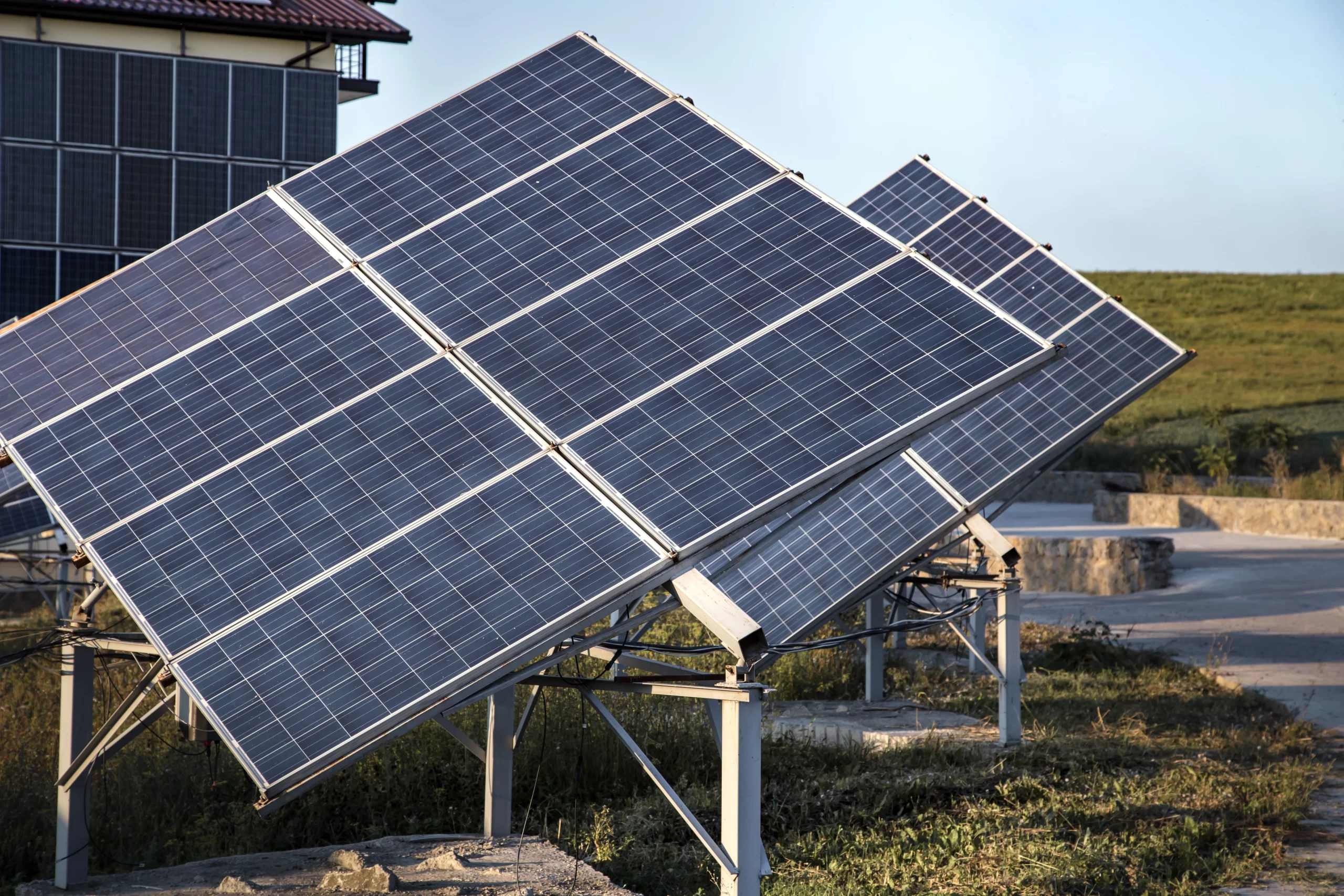
Additionally, the combination of solar inverters with AI-driven energy management systems will make buildings smarter, self-sufficient, and environmentally friendly. Architects, builders, and homeowners will increasingly prefer BIPV solutions not only for sustainability but also for cost-effectiveness and aesthetics.
9: Conclusion
The rise of Building-Integrated PV (BIPV) marks a revolutionary step in solar energy adoption. By embedding solar cells into windows, roofs, and facades, buildings transform into energy-generating ecosystems. Supported by efficient solar inverters and professional solar panel installation, BIPV offers a sustainable, visually appealing, and cost-effective alternative to traditional solar panels.
As innovation continues, the synergy of design and renewable energy ensures that BIPV will be at the forefront of the solar revolution. Whether through solar windows, solar roofs, or solar façades, this technology is shaping the future of green architecture and powering a cleaner planet.
10: FAQs
Q1. What is Building-Integrated Photovoltaics (BIPV)?
BIPV refers to solar technology that is built directly into construction materials like windows, roofs, and facades. Instead of adding panels later, the building itself becomes a source of renewable energy.
Q2. How do solar inverters support BIPV systems?
A solar inverter converts the direct current (DC) generated by BIPV systems into alternating current (AC), which can be used to power homes and businesses. Without an efficient inverter, the electricity from solar windows or roofs cannot be utilized effectively.
Q3. Are BIPV solar windows and roofs as efficient as traditional solar panels?
Traditional panels usually deliver higher efficiency, but BIPV systems are rapidly improving with new materials like thin-film and perovskite solar cells. While efficiency may be slightly lower, BIPV offers additional benefits such as aesthetics and dual functionality.
Q4. Is solar panel installation more complex for BIPV?
Yes, installing BIPV systems can be more complex compared to standard rooftop panels. Since the solar components are integrated into building materials, skilled professionals are required to ensure proper design, installation, and energy output.
Q5. What are the main benefits of choosing BIPV over regular solar panels?
BIPV provides dual functionality (construction + energy generation), space optimization, modern design aesthetics, and long-term cost savings. It also supports green building certifications and contributes to reducing a property’s carbon footprint.