
Solar Energy vs. Electricity Bills: How Much Can You Really Save?
In recent years, the shift towards renewable energy has become more than just a trend—it’s a necessity. Rising electricity costs, increasing environmental concerns, and government incentives have encouraged homeowners and businesses alike to explore alternative energy solutions. Among all renewable options, solar energy stands out as one of the most practical and cost-effective ways to reduce monthly electricity expenses. But the burning question remains: how much can you really save with solar energy? In this blog, we’ll explore the concept of solar energy savings, factors affecting your savings, and how a residential solar installation can transform your electricity bills.

Understanding Solar Energy and Its Benefits
Solar energy is the process of converting sunlight into electricity using solar panels. Unlike traditional electricity, which relies on fossil fuels, solar power is renewable, abundant, and eco-friendly. Installing a solar power system can significantly reduce your dependence on the grid, leading to substantial savings in the long run.
Advantages of Solar Energy
-
Lower Electricity Bills
The most immediate and obvious benefit of solar energy is a reduction in monthly electricity bills. By generating your own power, you consume less energy from the grid, which directly translates into solar energy savings. -
Environmentally Friendly
Solar energy reduces carbon emissions, helping combat climate change. Unlike coal or natural gas, solar panels produce zero emissions while generating electricity. -
Energy Independence
Relying on your own solar power system makes you less vulnerable to rising energy costs or power outages. -
Increase in Property Value
Homes equipped with solar panels often have higher resale value. Buyers recognize the potential for electricity bill reduction as a long-term financial benefit.
How Solar Energy Savings Work
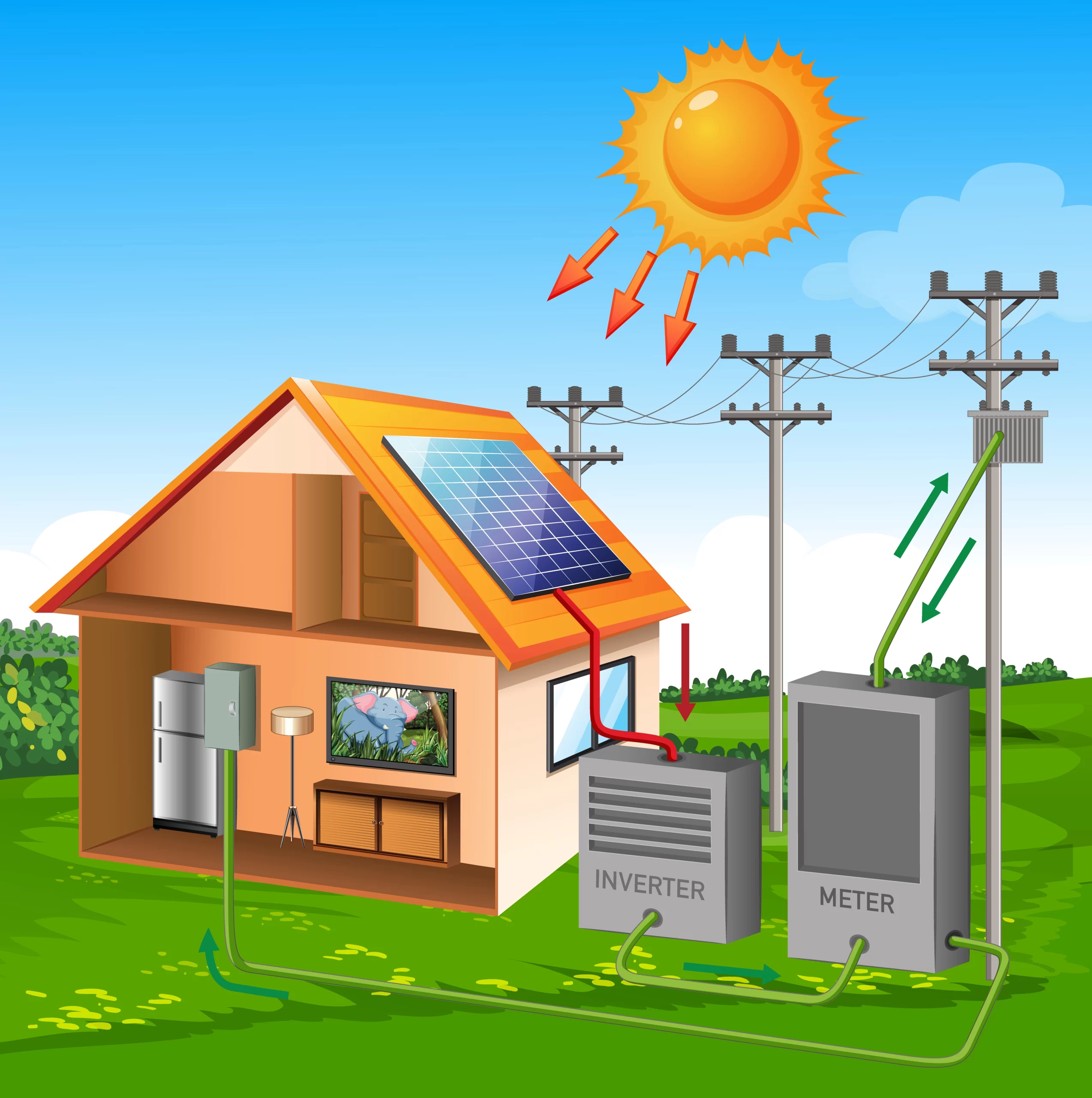
Many people assume that installing solar panels is expensive and takes decades to pay off. While the upfront solar panel cost can be significant, the long-term savings often outweigh the initial investment. Let’s break down the key elements:
Calculating Solar Energy Savings
-
Energy Consumption
The first step is to understand your household’s electricity usage. Higher consumption generally means higher potential savings. -
Solar Panel Output
Solar panels generate electricity based on sunlight exposure. Geographic location, roof orientation, and shading all affect output. -
Electricity Rates
Your local electricity cost determines how much you save per kilowatt-hour (kWh) generated by your residential solar installation. -
Incentives and Rebates
Government schemes, tax credits, and rebates can reduce the solar energy cost, accelerating the payback period and increasing your total solar energy savings.
Residential Solar Installation: What You Need to Know
Investing in a residential solar installation is more straightforward than many homeowners think.
Step 1: Assess Your Home’s Solar Potential
Not every roof is ideal for solar panels. Factors like direction, tilt, and shade impact efficiency. Tools like solar mapping or professional assessments can help determine your potential electricity bill reduction.
Step 2: Choose the Right Solar Panels
High-quality solar panels may have a higher upfront cost but provide greater efficiency and durability. Consider brands with strong warranties to ensure long-term solar energy savings.
Step 3: Financing Your Solar Installation
Options include:
-
Outright purchase: Highest initial cost but maximum long-term savings.
-
Solar loans: Spread payments over several years; savings still start immediately.
-
Leases or PPAs (Power Purchase Agreements): Low upfront cost; pay a monthly fee while enjoying some savings.
Step 4: Installation and Maintenance
Professional installation ensures optimal panel placement. Maintenance is minimal—regular cleaning and occasional inspection keep your system efficient, preserving solar energy savings for decades.
Factors Affecting Your Solar Energy Savings
While solar panels offer significant benefits, savings vary based on several factors:
Electricity Rates
Areas with higher electricity costs see faster returns on solar investment. If your local energy rates are rising annually, the potential solar energy savings are even more significant.
Solar Incentives
Government rebates, tax credits, and incentives can offset installation costs. For example, a 30% federal tax credit in some regions can drastically reduce the solar panel cost, boosting net savings.
System Size
A larger solar power system generates more electricity, increasing your electricity bill reduction. Tailor your system size to match your energy consumption for optimal results.
Sunlight Exposure
Geographical location and roof placement affect sunlight exposure. South-facing roofs without shade maximize energy generation and savings.
Energy Consumption Patterns
Using more electricity during the day when solar panels are producing energy maximizes solar energy savings. Smart appliances and energy-efficient devices can further enhance benefits.
Comparing Solar Energy vs. Traditional Electricity Bills
A typical household may spend hundreds of dollars monthly on electricity. Installing a solar power system can reduce or even eliminate these bills.
Case Study: Average Solar Energy Savings
Let’s consider an example:
-
Monthly electricity bill: $200
-
Solar panels generate 80% of energy needs
-
Remaining grid usage: 20%
Savings calculation:
Monthly savings = 200 * 0.8 = $160
Annual savings = 160 * 12 = $1,920
Over a 25-year lifespan, a well-maintained solar system could save $48,000 or more, depending on electricity rate increases and system efficiency.
Payback Period
The payback period is the time it takes for solar energy savings to cover the initial solar panel cost. On average, this ranges from 5 to 10 years, after which all electricity generated is effectively free.
Maximizing Your Solar Energy Savings
Monitor Energy Usage
Tracking your energy consumption helps identify areas to reduce waste and maximize the impact of your residential solar installation.
Battery Storage Solutions
Adding a solar battery allows you to store excess energy for nighttime or cloudy days, further reducing reliance on the grid and increasing solar energy savings.
Energy-Efficient Home Upgrades
Pairing solar panels with energy-efficient lighting, appliances, and insulation optimizes overall savings.
Net Metering
Many utilities allow excess solar power to be sold back to the grid through net metering, providing additional income or credit, further boosting solar energy savings.
Common Misconceptions About Solar Energy Savings
Despite its popularity, some myths can deter homeowners:
-
“Solar panels don’t work in cloudy weather”: Panels still generate electricity on cloudy days.
-
“Solar energy is too expensive”: With incentives and long-term savings, solar often pays for itself.
-
“Maintenance is complicated”: Solar systems require minimal maintenance over decades.
By understanding the facts, homeowners can make informed decisions and enjoy real solar energy savings.
Final Thoughts: Is Solar Energy Worth It?
Switching to solar energy is not just an environmental choice; it’s a financial decision. The potential to significantly reduce electricity bills while generating clean energy makes solar energy savings a compelling reason to invest in a residential solar installation.
By considering factors such as electricity rates, solar panel efficiency, government incentives, and energy consumption patterns, homeowners can realistically estimate their solar energy savings and plan for a sustainable, cost-effective future.
With the decreasing solar panel cost, innovative financing options, and a growing emphasis on renewable energy, there has never been a better time to make the switch. In short, solar energy isn’t just about going green—it’s about putting money back in your pocket while protecting the planet.