

The Future of Solar Grid Integration: Smart Grids, Demand Response & Energy Storage
The Future of Solar Grid Integration: Smart Grids, Demand Response & Energy Storage is shaping the next generation of sustainable power systems worldwide. As solar energy continues to expand rapidly, the integration of this intermittent energy source into traditional power grids poses technical and operational challenges. To ensure a stable and efficient energy ecosystem, innovations such as smart grids, demand response programs, and energy storage systems are becoming critical.
In this blog, we’ll explore how these technologies are transforming the solar energy landscape, improving grid reliability, and driving global progress toward carbon neutrality.
The Evolution of Solar Energy and Grid Integration
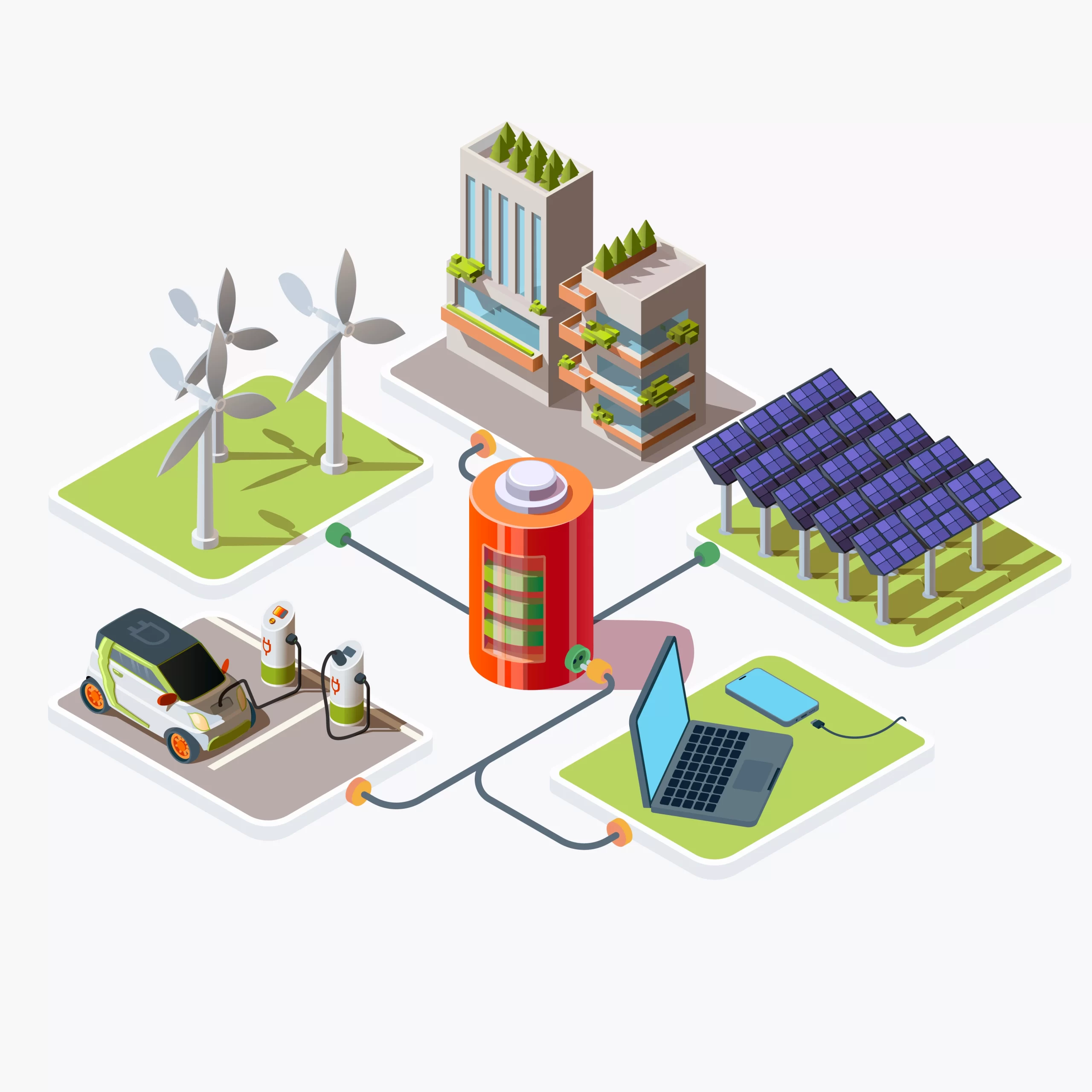
Over the last decade, solar energy has evolved from a niche renewable option into a mainstream power source. With advancements in solar panel efficiency and declining solar installation costs, large-scale solar projects and rooftop systems are growing exponentially.
However, solar energy generation is variable — it depends on sunlight availability, time of day, and weather conditions. Traditional power grids, built for predictable fossil fuel generation, face difficulties adapting to this variability. That’s where solar grid integration comes in — ensuring that solar energy fits seamlessly into the larger power infrastructure without compromising stability or reliability.
To achieve this, the future lies in smart grids, demand response, and energy storage technologies, all of which make solar energy more predictable and usable.
Understanding Smart Grids
What is a Smart Grid?
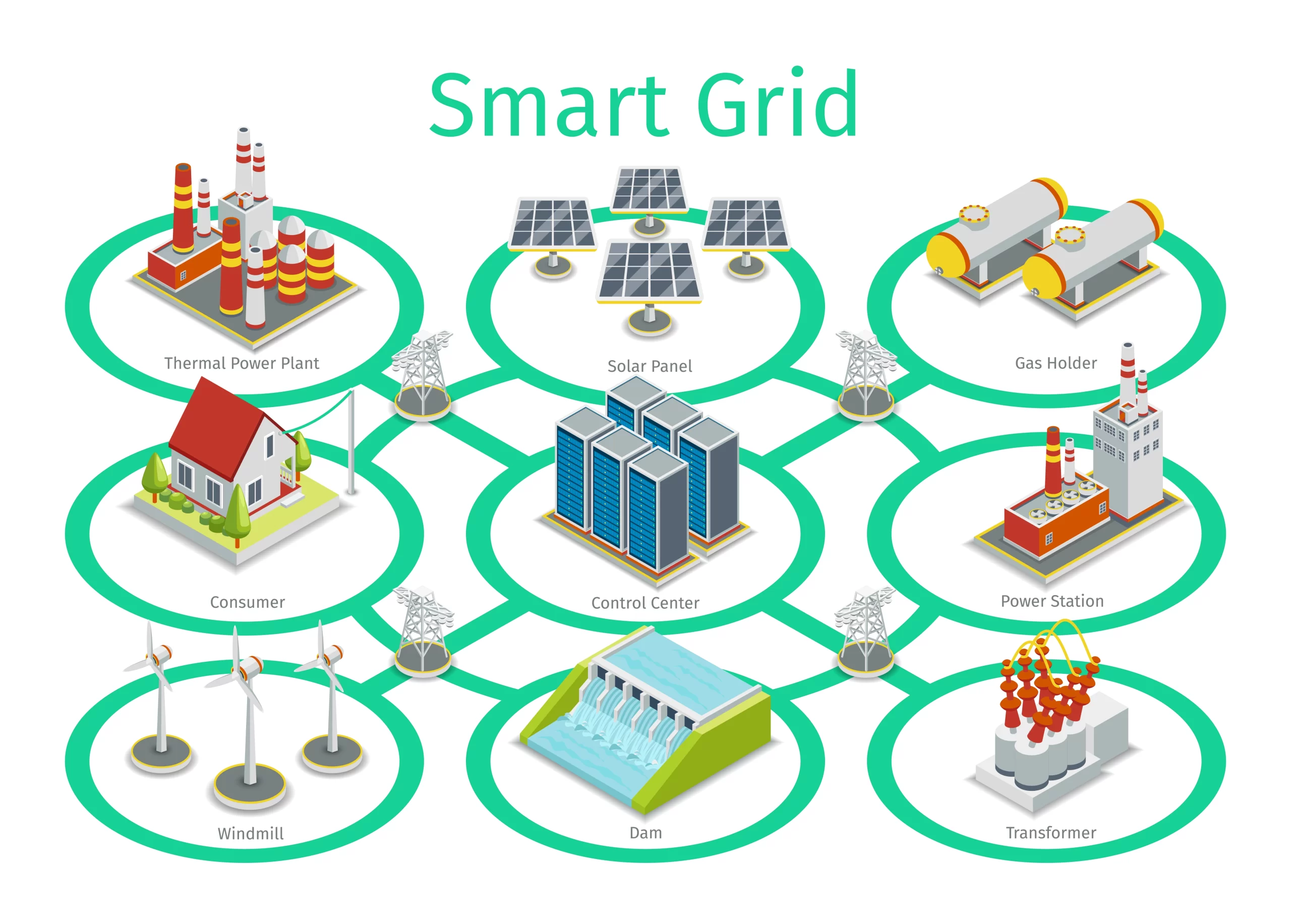
A smart grid is an advanced electricity network that uses digital communication and automation to monitor and optimize power flows from generation to consumption. Unlike conventional grids, smart grids can:
-
Automatically balance electricity supply and demand.
-
Detect and respond to outages in real time.
-
Integrate distributed energy sources like solar and wind more effectively.
-
Empower consumers to manage their energy usage through smart meters.
By incorporating smart grid technology, utilities can better handle fluctuations caused by solar energy systems, ensuring continuous, efficient power delivery.
Why Smart Grids are Crucial for Solar Energy
Smart grids enhance solar grid integration by:
-
Managing bidirectional energy flow — solar users can both consume and feed excess power into the grid.
-
Predicting solar generation patterns using AI and IoT sensors.
-
Automating energy distribution to reduce transmission losses.
In short, The Future of Solar Grid Integration: Smart Grids, Demand Response & Energy Storage will rely heavily on these intelligent systems to achieve full renewable energy integration.
Demand Response: Balancing Supply and Demand
What is Demand Response?
Demand response (DR) refers to programs that encourage consumers to adjust their electricity usage during peak hours or grid stress periods. Rather than increasing power generation, utilities manage demand to maintain balance.
How Demand Response Works with Solar Power
As solar generation peaks during the daytime, demand response can align energy consumption patterns with solar availability. For example:
-
Commercial facilities may run high-energy operations (like HVAC or manufacturing) during midday when solar generation is highest.
-
Households can charge electric vehicles (EVs) or run appliances during sunny hours.
This synergy between demand response and solar energy optimizes grid performance and reduces reliance on fossil fuel peaker plants.
Benefits of Demand Response in Solar Integration
-
Reduces grid congestion during peak demand.
-
Lowers energy costs for consumers participating in DR programs.
-
Enhances grid flexibility and sustainability.
-
Improves the financial returns for both utilities and consumers.
In the broader picture, The Future of Solar Grid Integration: Smart Grids, Demand Response & Energy Storage will see demand response as a vital bridge between generation and consumption efficiency.
Energy Storage: The Game Changer
Why Energy Storage Matters
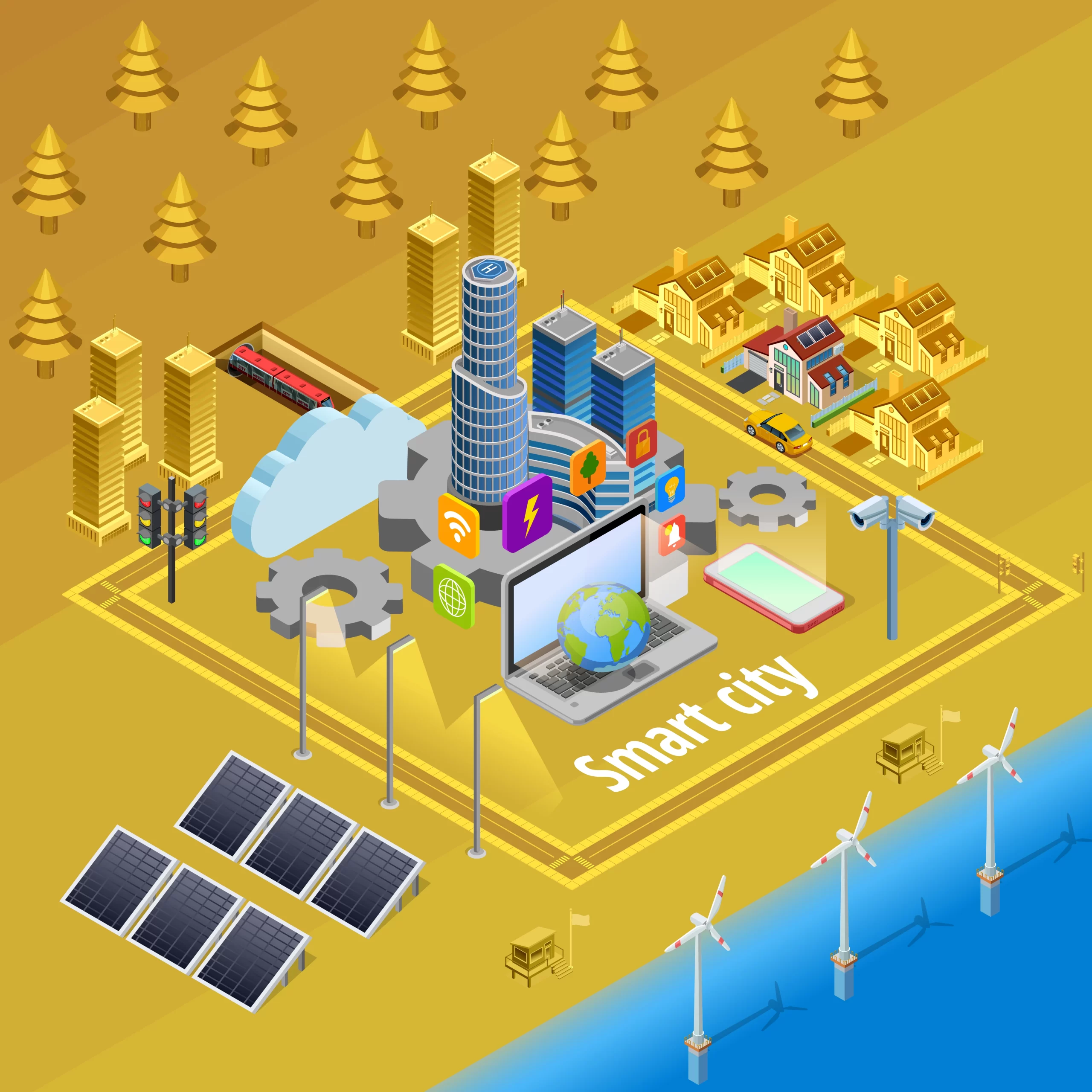
Energy storage systems (ESS) — such as lithium-ion batteries, flow batteries, and thermal storage — are at the heart of solving solar’s intermittency problem. They capture excess solar power generated during the day and release it during nighttime or cloudy periods.
The Role of Batteries in Solar Grid Integration
Battery storage allows utilities to stabilize the grid by storing surplus solar energy when production exceeds demand and deploying it when generation drops. For example:
-
Residential solar systems paired with batteries offer energy independence during outages.
-
Commercial solar farms integrate large-scale batteries for grid balancing and frequency control.
This combination ensures reliable power, smooth voltage regulation, and reduced need for fossil backup plants — all essential for The Future of Solar Grid Integration: Smart Grids, Demand Response & Energy Storage.
Technological Innovations in Energy Storage
-
Lithium-ion batteries – Dominant due to high energy density and falling prices.
-
Solid-state batteries – Offer improved safety and longevity.
-
Hydrogen storage – Converts surplus solar power into hydrogen fuel for later use.
-
Grid-scale storage – Mega battery installations that can support entire regions.
The Role of Artificial Intelligence and IoT
AI and Internet of Things (IoT) technologies enable predictive maintenance, load forecasting, and intelligent control of energy systems. Smart meters and sensors continuously track generation, consumption, and weather data to fine-tune energy distribution.
In The Future of Solar Grid Integration: Smart Grids, Demand Response & Energy Storage, AI will predict energy demand and optimize grid performance, making the entire system more adaptive and resilient.
Economic and Environmental Benefits
Economic Advantages
-
Reduced electricity costs through optimized energy management.
-
Higher ROI for solar investors by maximizing grid participation.
-
Lower grid infrastructure costs due to better load balancing.
Environmental Benefits
-
Reduction in carbon emissions and fossil fuel dependency.
-
Promotion of decentralized clean energy ecosystems.
-
Support for national renewable energy targets and climate action goals.
Together, these factors make the integration of smart grids, energy storage, and demand response crucial to scaling solar energy globally.
Global Case Studies
United States
In California, the integration of smart grids and battery energy storage systems (BESS) has stabilized solar supply during evenings. Projects like the Hornsdale Power Reserve (Tesla Megapack) demonstrate large-scale success in managing renewable energy fluctuations.
Europe
Countries like Germany and the Netherlands have invested heavily in smart grid technologies and demand response platforms, enabling seamless integration of solar and wind power.
India
India’s ambitious solar mission envisions over 280 GW of solar capacity by 2030. The deployment of energy storage systems and smart grid pilot projects under the National Smart Grid Mission (NSGM) is pivotal to achieving this goal.
Challenges in Solar Grid Integration
Despite progress, several barriers remain:
-
High initial cost of large-scale energy storage.
-
Interoperability between old grid systems and modern smart technologies.
-
Cybersecurity concerns in connected grid networks.
-
Need for clear regulations and incentives for renewable energy integration.
Addressing these challenges will define the success of The Future of Solar Grid Integration: Smart Grids, Demand Response & Energy Storage.
The Road Ahead
As nations move toward decarbonization, the next decade will see an accelerated transition to smart solar grids supported by energy storage and responsive demand systems. Governments, utilities, and technology providers must collaborate to build flexible, secure, and data-driven energy networks.
Key trends to watch include:
-
Growth of virtual power plants (VPPs).
-
Widespread electric vehicle (EV) integration.
-
AI-driven predictive grid management.
-
Blockchain-based peer-to-peer solar energy trading.
These innovations will make solar not just a clean energy source but a cornerstone of global energy resilience.
Conclusion
The Future of Solar Grid Integration: Smart Grids, Demand Response & Energy Storage represents the next evolution of renewable energy infrastructure. By merging technology, data intelligence, and sustainability, we can build grids that are cleaner, smarter, and more adaptive to future energy demands.
Solar energy is no longer limited by sunlight—it’s empowered by innovation. Through smart grids, demand response, and energy storage, the dream of a 100% renewable future is not just possible but imminent.