
Solar Energy for Agriculture: Benefits and Use Cases in Rural India
Introduction
In the evolving landscape of Indian agriculture, one game-changer stands out: solar energy benefits. For farmers across rural India, adopting solar technologies is no longer a far-off dream but a tangible pathway to enhance productivity, reduce costs, and build resilience. In this article, we’ll explore how solar energy benefits agriculture in India, what real use-cases exist in rural settings, and how your solar company can leverage this momentum to deliver value to the farming community.
1. Why Solar Energy Benefits Agriculture in India
The phrase “solar energy benefits” captures a wide spectrum of advantages—financial, operational, environmental—that the agricultural sector is increasingly tapping into. Below are some of the most compelling reasons why switching to solar makes sense for rural farms.
1.1 Cost Savings & Financial Predictability
One of the primary solar energy benefits is cost reduction. Traditional diesel pumps or erratic grid supply impose high ongoing costs on farmers. Solar-based systems, once installed, translate into far lower operating expenses. Studies show that solar irrigation systems reduce fuel and electricity costs significantly.
Additionally, stable daytime power access means fewer crop-loss risks due to power disruptions.
1.2 Reliable Power Supply & Operational Efficiency
Another major benefit: solar energy benefits agriculture by providing more reliable power in remote regions where grid access is weak. The use of solar water pumps means farmers are less dependent on unreliable grid hours or expensive diesel substitutes.
With dependable power, irrigation can be scheduled at optimal crop times, improving yields and reducing risk.
1.3 Environmental Sustainability
The solar energy benefits extend beyond cost and reliability to environmental impact. Solar irrigation and solar-powered agriculture reduce reliance on fossil fuels, lower greenhouse-gas emissions and support sustainable farming practices.
For farms that are aiming for eco-certifications or sustainable branding, this is an important dimension.
1.4 Increased Income & Diversified Revenue Streams
Using solar can open up new income channels: For instance, surplus solar power may be sold back to the grid under certain schemes, adding a revenue stream. This is one of the often overlooked solar energy benefits for agriculture.
Also, lower costs + higher productivity = improved margins for farmers.
2. Key Use-Cases of Solar in Rural Indian Agriculture
Let’s explore specific applications where solar technologies are being deployed in rural agriculture — illustrating how the solar energy benefits translate into real-world impact.
2.1 Solar Water Pumps for Irrigation
One of the most widespread use cases is the replacement of diesel or grid-based pumps with solar water pumps. These enable reliable irrigation during peak demand (daytime) and reduce fuel/electricity costs.
In states like Rajasthan and others where sunshine is abundant, this has been particularly impactful.
2.2 Solar-Powered Cold Storage and Drying Units
Post-harvest losses are a major pain point in rural India. Solar-powered cold storage (or solar dryers) help preserve perishable crops, reduce spoilage, and improve the value of harvests. This is an important dimension of the solar energy benefits in agriculture.
By improving yield quality and shelf-life, farmers can negotiate better prices and reduce wastage.
2.3 Solar for Drip Irrigation & Precision Farming
Solar systems can power drip or micro-irrigation setups, enabling water conservation and more precise crop care. This is especially beneficial in semi-arid and arid regions.
Farmers gain not just from electricity savings but also from reduced water and fertiliser usage — further amplifying the solar energy benefits.
2.4 Agrivoltaics / Dual Land-Use Solar Farming
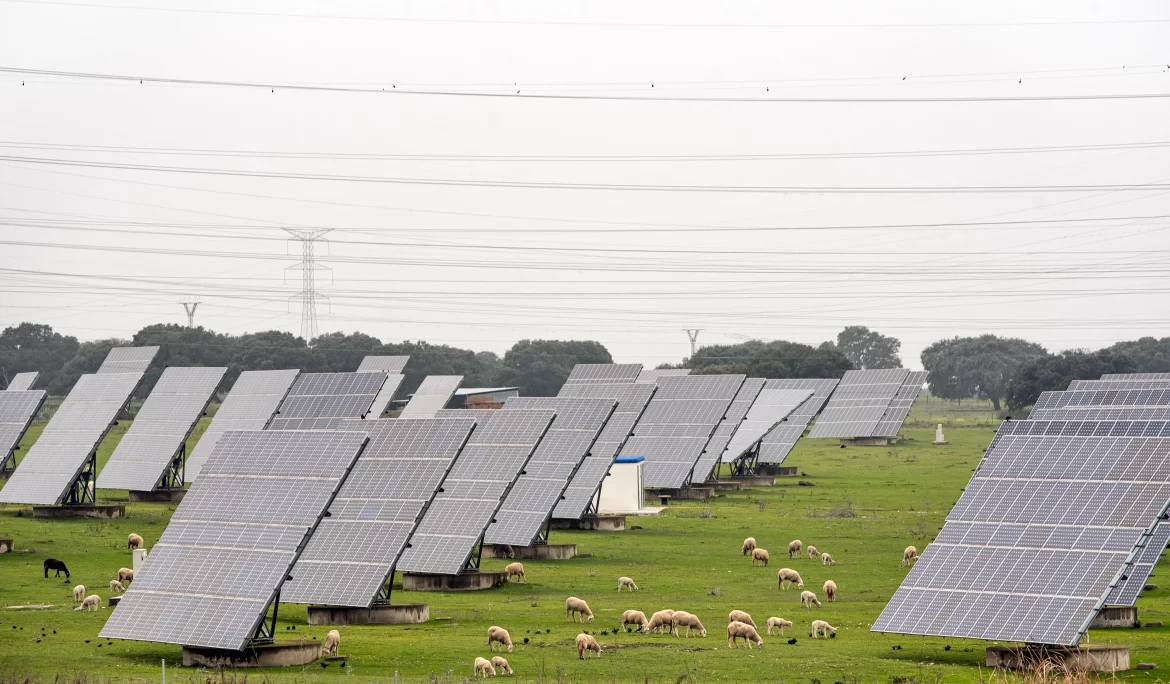
An emerging use-case: agrivoltaics, where solar panels are installed above or alongside crop fields. Here, the solar energy benefits include co-use of land for both farming and electricity generation.
This model is especially promising for regions with limited land and high sunshine hours.
3. Focusing on Rural India — Why it Works Here
Why are these solar energy benefits especially relevant for rural India?
-
Many rural zones still face erratic grid supply or rely on diesel/fossil-fuel connections — solar bypasses these limitations.
-
India receives abundant solar radiation in many agricultural belts — making solar installations yield strong output.
-
Government subsidy schemes and policy support are in place to promote solar in agriculture (e.g., under the PM‑KUSUM scheme) which enhance financial feasibility.
-
The push for sustainable agriculture and green energy aligns with both farmer interests and broader national goals.
4. Challenges to Consider & Mitigation
While the solar energy benefits are compelling, adoption in rural agriculture comes with some challenges. Here’s a professional look at what to watch out for and how your solar company can address these.
4.1 High Initial Investment
Although long-term gains exist, the upfront cost of panels, pumps, wiring, etc., can be significant. Mitigation: Offer flexible financing, subsidy assistance, EMI options, and bundle solutions tailored for small farmers.
4.2 Awareness & Technical Skills
Many farmers may not be aware of solar options or how to implement them optimally. Mitigation: Provide educational outreach, demonstration farms, training sessions, and clear post-installation support.
4.3 Land and Water Considerations
In agrivoltaic setups, land use must balance crop productivity and solar panel placement. Also, solar water pumps may encourage deeper groundwater use if unchecked. Mitigation: Promote sustainable irrigation practices, monitor groundwater, design dual-use systems thoughtfully.
4.4 Maintenance & Performance Monitoring
Solar systems require cleanliness, periodic checks and sometimes remote monitoring to perform at optimum levels. Mitigation: Offer service packages, remote monitoring, and maintenance training to farmers.
5. How Solar Companies Can Leverage These Benefits
For your solar company operating in rural India (for example in Jaipur/Rajasthan), here’s how to tap into the solar energy benefits for agriculture and build a strong value proposition.
5.1 Tailored Solutions for Farming Contexts
Design product bundles: solar pumps + drip irrigation + monitoring apps. Emphasise how the solar energy benefits reduce diesel/electricity costs, improve reliability, and boost crop yield.
5.2 Localised Case Studies & Success Stories
Show concrete examples from Rajasthan and nearby states where rural farms have adopted solar solutions and realised benefits. Outcome-driven stories help build trust.
5.3 Leverage Govt Subsidies & Incentive Schemes
Help farmers navigate subsidy processes under schemes like PM-KUSUM. Highlight how the solar energy benefits become more accessible with subsidy support.
5.4 Flexible Financing & ROI Messaging
Clearly articulate payback period: how much cost is saved annually, when will the system amortize, what additional income might arise from surplus power sales. Farmers enjoy seeing tangible numbers.
5.5 Post-Installation Service & Training
Offer a comprehensive service model: cleaning, panel inspection, monitoring. Include training for farmers so they understand how to operate the system for maximised solar energy benefits.
6. Conclusion
The adoption of solar technologies in rural agriculture is not just a trend—it’s a strategic transformation. The solar energy benefits for farming – cost savings, reliability, sustainability, income diversification – are real and attainable. By aligning your solar company’s offerings with these benefits, you can empower farmers, drive rural development, and carve out a strong niche for yourself in India’s solar-agriculture intersection.