
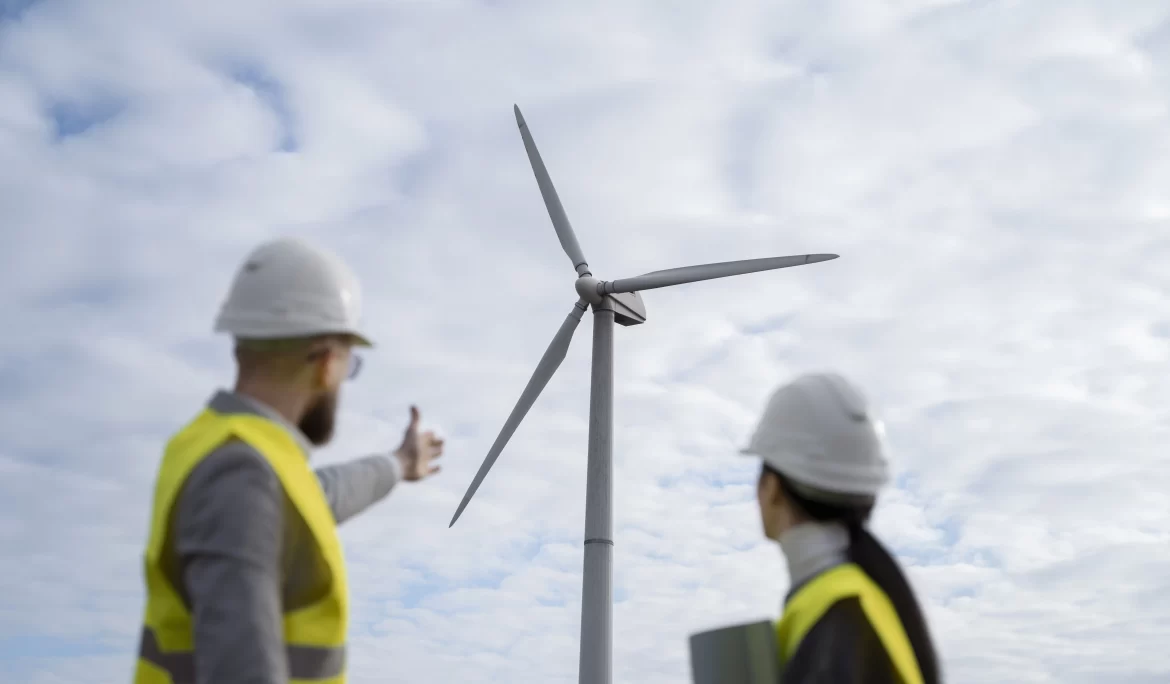
Advantages and Challenges of Wind Energy
Wind energy has many benefits, such as moving sailboats in open water and turning the blades of windmills to grind grains. These benefits have led to a surprising increase in the use of wind energy throughout history. The modern, sleek designs of wind turbines, advanced generators, and aerodynamic blades have changed the way we can get more advantages and challenges of wind energy.
Wind energy is becoming more important in business and industry because it can turn kinetic energy into electrical energy. This makes it one of the fastest-growing clean energy sources.
Wind Energy in India
According to recent reports released in January 2025, India has installed a capacity of 209.44 GW in the renewable market, a 15.84% increase compared to 180.80 GW in December 2023.
The total capacity added during 2024 is 28.64 GW, reflecting a significant year-on-year increase of 119.46% from the 13.05 GW added in 2023.
India has made significant strides in renewable energy, particularly wind power, as a solution to combat climate change. An additional 3.42 GW was installed in 2024, bringing the total wind energy capacity to 48.16 GW, a 7.64% growth from 2023.
The nation aims to increase its clean energy capacity, with wind as a key contributor.
Make in India, an initiative by the Indian government aims to boost domestic manufacturing and reduce dependence on imports by promoting sustainable energy in the country. This initiative has led to an increase in wind turbine production and installation. With the rise in investment in the wind energy sector, the industry has proliferated the growth of employment opportunities, particularly with over 2 million job opportunities in rural areas.
India is playing a remarkable role in the energy transition, enhancing the sustainable energy mix globally.
What are the Advantages and Challenges of Wind Energy
Wind energy is the best choice for a long-term power source because it has a lot of benefits. Researchers are still looking into the benefits of wind power and how to make the most of its potential to help people and the environment.
Here are some key advantages and challenges of wind energy:
1. A Clean Source of Energy
Wind power is an unlimited source of energy on earth, which makes it a good choice for replacing traditional sources of energy. Wind energy doesn’t make harmful greenhouse gases or other pollutants, which helps lower the carbon footprint and make the future greener.
2. Abundant and Widely Available
Wind energy is a resource that will never run out, and it can be used in many parts of the world. You can build wind power plants on land or in the ocean, depending on the wind conditions. As technology gets better, we can put wind farms in areas with less wind, which makes it easier to make electricity.
3. Cost-Effective in the Long Run
New designs for wind turbines have made it easier to make them, which has made wind energy the most popular source of energy. Once a wind power plant is up and running, the costs of running and maintaining it are fairly low, which is good for the long term.
4. Job Creation and Economic Growth
There are a lot of jobs in the wind energy market in many fields, including research, installation, maintenance, and manufacturing. The wind power industry helps rural areas grow economically by raising the value of their land, bringing in investments, and improving their infrastructure. It also helps local communities and brings in tax money.
5. Enhancing Energy Independence and Security
Wind energy is a resource that can be used in the area, which means that people don’t have to rely on traditional fuel sources as much. So, countries that invest in wind power tend to use less traditional energy sources, which makes their energy security more stable.
6. Scalability and Technological Advancements
Wind turbines are scalable enabling installations ranging from small turbines supplying electricity to homes to giant offshore wind farms powering to entire cities. New turbines, better ways to store energy, and better ways to connect to the grid all make wind energy more reliable and efficient.
Challenges of Wind Energy
Wind power, like other renewable energy sources, has some problems. For clean energy to be used by everyone, these problems need to be fixed. To find the best ways to make wind energy more efficient and easier to use, you need to know what the problems are.
1. Intermittency and Variability
Wind farms show how wind speed changes and how sometimes wind turbine generators make less or no electricity at all. In this situation, it is often hard to keep the supply and demand for power steady. To fix this, we need to make progress in energy storage, grid management, and hybrid clean energy systems.
2. Land Use and Aesthetic Concerns
Wind farms, especially those that are onshore, need more land than other types of farms. This could cause problems with land use, especially in areas with a lot of people. Also, people in the area don’t like wind turbine generators because they change the look of the landscape. Offshore wind farms help with this problem, but they do cost more to install and keep up.
3. Infrastructure and Grid Integration Challenges
Wind power plants are usually built in remote or outlying areas where there is a lot of wind, which means that strong transmission infrastructure is needed to send electricity to populated areas. Also, maintaining power grids costs a lot of money and is a complicated process. Smart grid technology and decentralized energy solutions are being used to fix the problem.
4. Initial Investment Costs
Setting up a wind farm can be expensive at first, but wind power can save you money in the long run. But the government has put out policies and financial incentives, and the low cost of technology is making wind energy more viable.
The Future of Wind Energy: Innovations and Growth
Wind energy has a bright future because of rising demand for clean energy and new technologies in the energy sector.
Important steps that will shape the future of wind power:
- Floating Offshore Wind Farms have more potential to generate wind energy than regular offshore wind plants.
- Advanced Energy Storage Systems: Make things more reliable and help store extra power when the wind isn’t blowing.
- AI and predictive maintenance: these technologies improve efficiency and lower maintenance costs.
- Hybrid Renewable Energy Systems: Makes sure that the power supply is balanced.
Conclusion
Wind energy will help make tomorrow cleaner and greener.
Wind energy is one of the important forms of renewable energy that will help the world switch to sustainable power. It is a key part of the current energy landscape because it is plentiful, good for the economy, and can help people become more energy independent. Even though there are problems with intermittency and land use, these problems can be solved with constant innovation and strategic planning.
Wind Energy at Solsken
Solsken has recently entered India’s wind energy sector with its first wind and solar project, Project Shiva, in Tamil Nadu. Project Shiva has a total capacity of 180 MW, which comes from 108 MW of wind power and 72 MW of solar power. Solsken is also adding to its wind power portfolio with a new wind project in Karur, Tamil Nadu. Solsken is dedicated to offering clean, dependable, and efficient energy solutions for businesses and industries, and our wind power projects are a good example of this.
Want to know more about wind energy and how it can help your business?
Click here to learn more.
Take part in the Wind Energy Revolution!
Are you ready to use the wind to your advantage? Join us in making a future that lasts.
Call Solsken today to start making the world a cleaner place.
FAQs
What is the cost of setting up a wind power plant in India?
The cost for a wind power project in India varies depending on factors such as the type of turbine, technology, size, and location of the wind power plant. On average, the cost ranges between ₹6- ₹9 crores per megawatt (MW)
What are the top states in India that are best for wind energy production?
The following Indian states are the best for making wind energy:
- Tamil Nadu
- Gujarat
- Maharashtra
- Karnataka
- Rajasthan
Is wind energy a reliable source of electricity in India?
Yes, wind is a reliable source of power, which is one of the best things about wind power plants. But things like geography and the time of year can affect how consistently the wind energy makes electricity.
What is the estimated lifespan of a wind turbine in India?
Wind turbines last about 20 to 25 years. Some wind turbines can last 30 years or more with the right care.
Does the Indian government provide any incentives for wind energy projects in India?
Yes, the Indian government gives incentives to wind energy projects, such as
– Accelerated Depreciation: Lets you deduct up to 80% of the value of wind power projects.
– Generation-based Incentives (GBI): Gives rewards based on how many power units wind power projects make.
What are the main benefits of wind energy?
- Inexhaustible resource of energy
- Abundant in nature
- Cost-Effective in the Long term
- Job opportunities
- Promotes Energy Independence
- Scalability and Technological Advancements