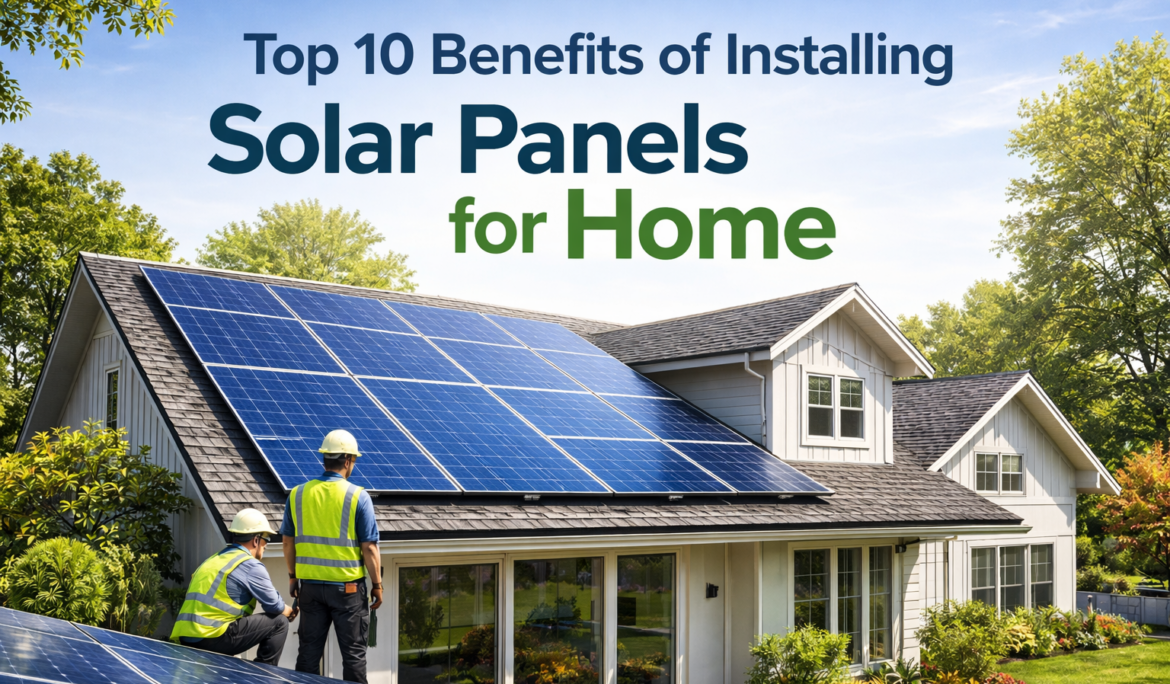
Top 10 Benefits of Installing Solar Panels for Home
Solar Panels For Home are becoming one of the smartest investments for modern homeowners. With rising electricity costs and increasing awareness about clean energy, more people are choosing solar power as a reliable solution for their energy needs.
Installing solar panels is not just about saving money on electricity bills. It is also about creating a sustainable future, reducing dependence on traditional power sources, and increasing the value of your property.
In this article, we will explore the top 10 benefits of installing solar panels for home and why switching to solar energy can be a smart long-term decision.
Why Solar Panels for Home Are Becoming So Popular
Over the last decade, solar technology has improved dramatically while installation costs have dropped. This combination makes solar energy more accessible than ever.
Homeowners are realizing that solar panels are not just an environmental choice—they are also a financial investment that can pay off for decades.
From lowering electricity bills to increasing property value, the advantages of solar power are significant.
Let’s explore them in detail.
Top 10 Benefits of Installing Solar Panels for Home
1. Significant Reduction in Electricity Bills
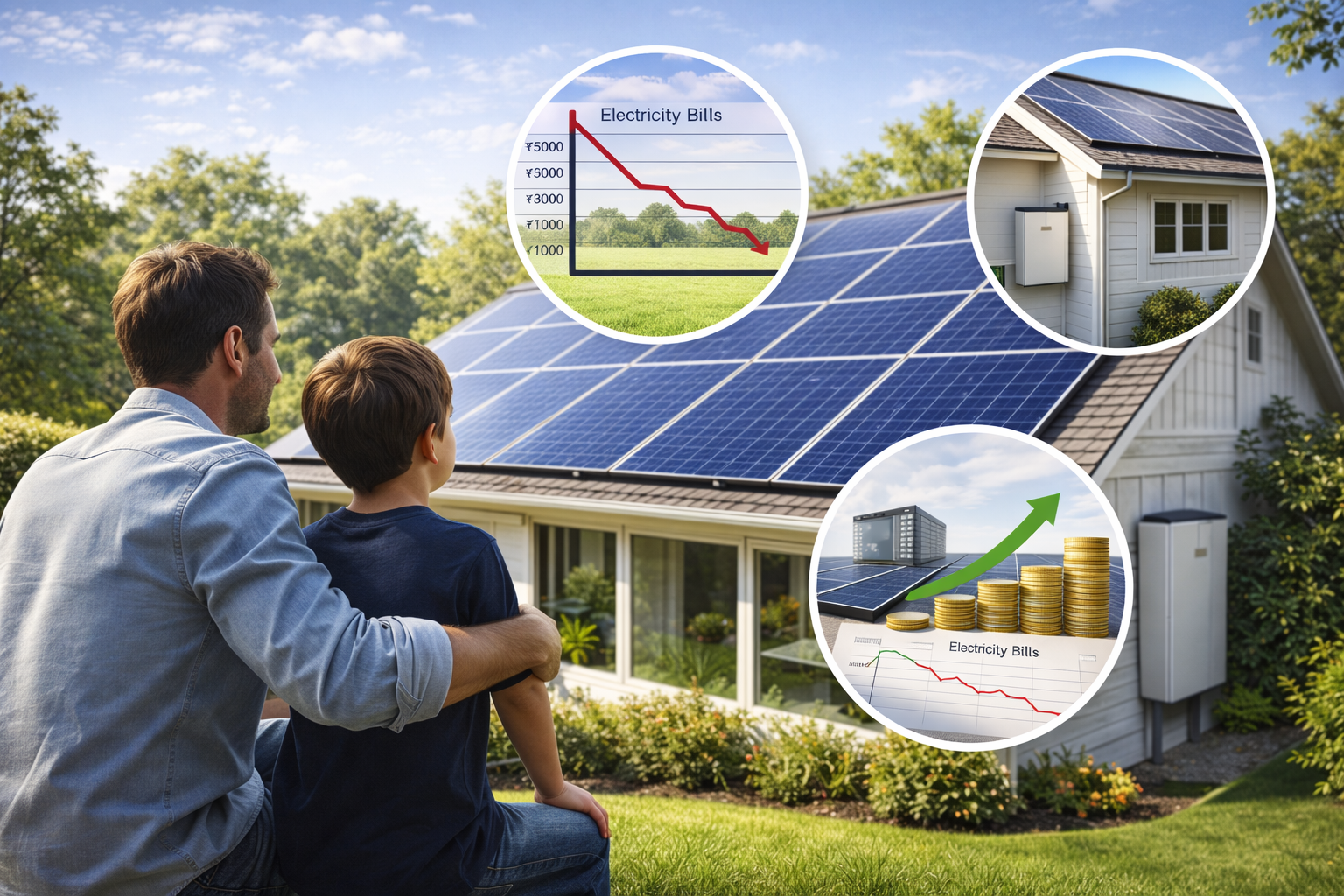
The biggest reason homeowners install solar panels for home is simple: lower electricity bills.
Solar panels generate electricity from sunlight, which means you rely less on power from the grid.
For example, a typical residential solar system can reduce electricity costs by 50–90%, depending on energy usage and system size.
Practical Tip
If your monthly electricity bill is high, installing solar panels can recover the investment within 4–7 years in many regions.
2. Clean and Renewable Energy Source
Solar energy is one of the cleanest energy sources available today.
Unlike fossil fuels, solar power does not produce harmful emissions or pollution.
Installing solar panels for home helps reduce your carbon footprint and contributes to a healthier environment.
Real-World Impact
A typical home solar system can offset 3–4 tons of carbon emissions every year, which is similar to planting hundreds of trees.
3. Protection from Rising Electricity Prices
Electricity costs continue to increase in many countries.
When you install solar panels, you lock in your energy costs for the long term.
Once your solar system is installed, the sunlight that powers it is completely free.
This means you become less dependent on fluctuating energy prices.
4. Government Subsidies and Tax Benefits
Many governments encourage renewable energy adoption by offering incentives.
These may include:
-
Solar installation subsidies
-
Tax credits
-
Net metering benefits
-
Reduced installation costs
In India, homeowners installing solar panels for home can benefit from government solar subsidy programs, which significantly reduce the initial investment.
5. Increases Property Value
Homes equipped with solar energy systems are becoming more attractive to buyers.
Many property buyers prefer homes with lower energy costs.
Studies show that homes with solar panels often sell faster and at higher prices compared to traditional homes.
So installing solar panels is not just an energy upgrade—it’s also a real estate investment.
6. Low Maintenance Requirements
Another major advantage of installing solar panels for home is that they require very little maintenance.
Most solar panels are designed to last 25–30 years.
Maintenance usually involves:
-
Occasional cleaning
-
Annual inspection
-
Monitoring system performance
Because solar systems have no moving parts, the risk of breakdown is very low.
7. Energy Independence
One of the most empowering benefits of solar power is energy independence.
Instead of relying entirely on electricity providers, you produce your own energy.
This can be especially valuable in areas where electricity supply is unstable.
When combined with solar batteries, homeowners can even store excess energy for use during power outages.
8. Supports Sustainable Living
Modern homeowners are increasingly interested in sustainable lifestyles.
Installing solar panels for home aligns perfectly with eco-friendly living.
Solar energy helps:
-
Reduce fossil fuel consumption
-
Lower greenhouse gas emissions
-
Promote renewable energy use
By switching to solar power, homeowners actively contribute to protecting the environment.
9. Net Metering Allows You to Earn from Solar Energy
Net metering is a policy that allows homeowners to send excess electricity back to the grid.
When your solar system produces more electricity than your home consumes, the extra energy is exported.
In return, you receive energy credits or bill reductions.
This means your solar system can actually generate financial returns over time.
10. Long-Term Investment with High ROI
Although installing solar panels requires an initial investment, the long-term financial benefits are significant.
Most solar systems last 25 years or more.
During this time, homeowners save thousands of dollars in electricity costs.
Example Calculation
If your monthly electricity bill is ₹5000:
-
Annual electricity cost = ₹60,000
-
Over 20 years = ₹12,00,000
Installing solar panels for home can save a large portion of this expense.
Helpful Tips Before Installing Solar Panels for Home
If you are considering solar energy, keep these tips in mind:
1. Check Your Roof Condition
Solar panels require a strong roof that can support the system for decades.
2. Evaluate Sunlight Exposure
Homes with maximum sunlight exposure generate more electricity.
3. Choose a Trusted Solar Installer
Work with experienced solar companies that provide warranties and quality installation.
4. Understand Your Energy Consumption
Analyzing your electricity usage helps determine the correct solar system size.
5. Explore Financing Options
Many solar companies offer EMI or solar financing programs.
Frequently Asked Questions (FAQ)
1. Are solar panels for home worth the investment?
Yes. Solar panels significantly reduce electricity bills, increase property value, and provide long-term savings.
2. How long do Solar Panels For Home last?
Most solar panels last 25–30 years with minimal maintenance.
3. How much does it cost to install solar panels for home?
The cost depends on system size, location, and installation company. Government subsidies can reduce the cost significantly.
4. Do solar panels work during cloudy weather?
Yes. Solar panels still generate electricity on cloudy days, though efficiency may be slightly reduced.
5. Can solar panels for home power the entire house?
Yes, if the system is properly sized according to your electricity consumption.
Conclusion
Installing solar panels for home is one of the smartest decisions homeowners can make today.From reducing electricity bills and increasing property value to promoting clean energy, solar power offers numerous benefits.
With government incentives, improved technology, and rising electricity costs, there has never been a better time to switch to solar energy.If you are planning to install solar panels, start by evaluating your energy usage and consulting a trusted solar provider.Your roof could become a powerful source of clean, affordable energy for the next 25 years.