

Advantages and Disadvantages of Solar Energy in India
Solar energy has emerged as one of the fastest-growing renewable energy sources in the world, and India is no exception. With abundant sunlight, government initiatives, and growing public interest, solar power is transforming the way Indians generate and consume electricity. However, like any technology, it has both positives and limitations. In this article, we explore the Advantages and Disadvantages of Solar Energy in India, along with insights into solar panel cost, rooftop solar installations, and subsidies that shape adoption.
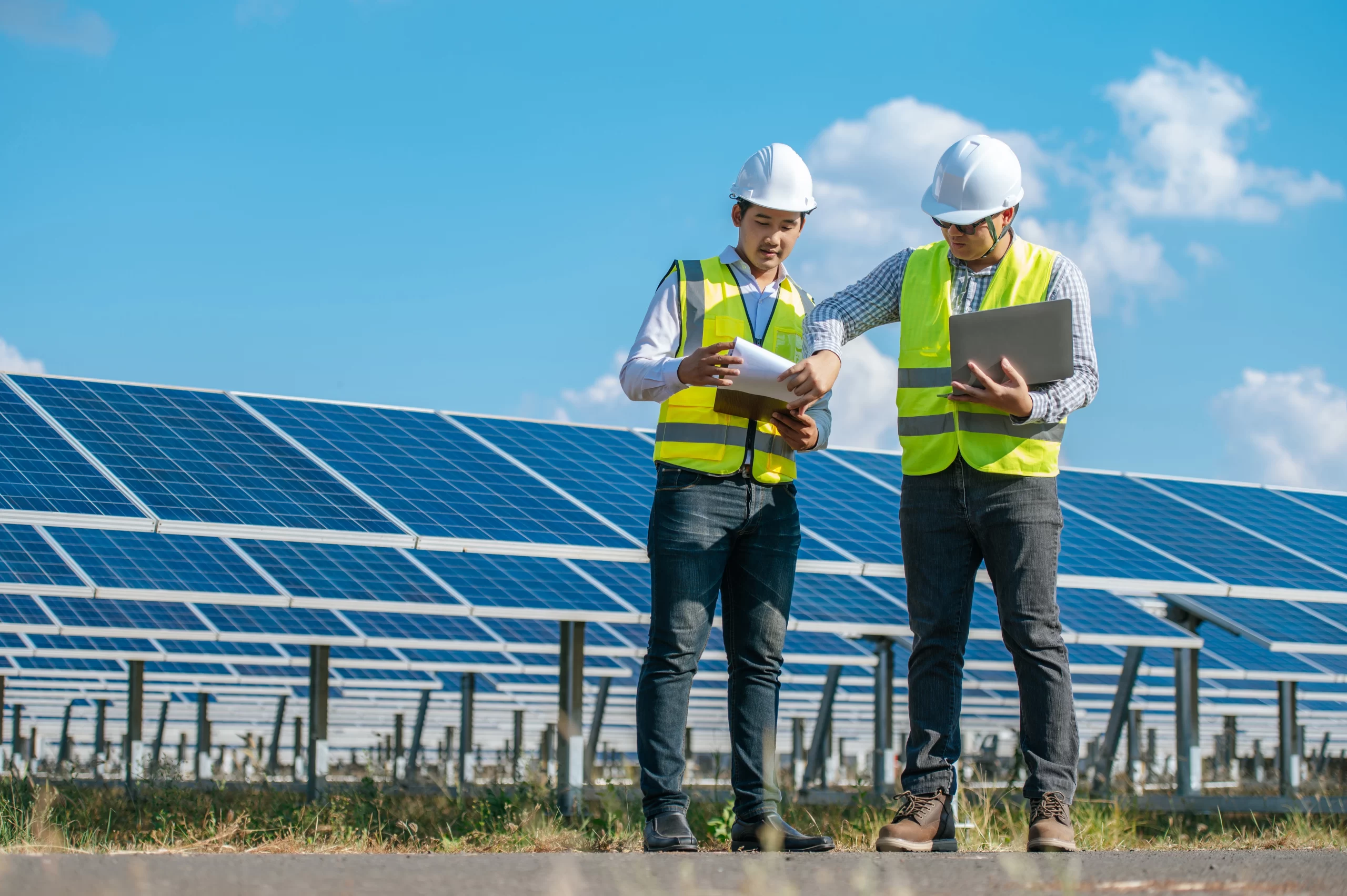
Why Solar Energy is Important for India
India is one of the world’s largest energy consumers, with rising demand due to population growth, urbanization, and industrialization. Traditionally, much of this demand has been met through coal and imported oil, which has significant environmental and financial costs.
Solar energy provides a cleaner, renewable alternative. With average solar radiation of 4–7 kWh per square metre per day, India has the potential to become a global solar leader. Initiatives like the National Solar Mission, Rooftop Solar Programme, and subsidies for residential and commercial projects further highlight the importance of solar adoption.
Advantages of Solar Energy in India

Clean and Renewable Energy Source
One of the biggest advantages of solar energy in India is that it is clean, renewable, and sustainable. Unlike fossil fuels, solar power does not release harmful greenhouse gases during operation, making it a crucial tool in fighting climate change and reducing air pollution.
Reduced Electricity Bills
Homeowners and businesses that install rooftop solar panels can significantly cut their electricity bills. Once the initial investment is made, sunlight is free, and with net metering policies in place, surplus energy can even be sold back to the grid. Over 6–8 years, many users recover their initial solar panel cost and enjoy free electricity for decades.
Government Subsidies and Incentives
The Indian government provides financial support to promote solar adoption. Subsidies for rooftop solar, tax benefits, and soft loans make it easier for households and businesses to invest in solar systems. These incentives lower the effective cost and encourage faster adoption of clean energy.
Energy Security and Independence
Solar energy reduces dependence on imported fossil fuels, helping India achieve greater energy security. By harnessing local solar resources, the country can lower its energy import bill and protect itself from global fuel price fluctuations.
Rural Electrification and Job Creation
Solar systems can provide reliable electricity in remote villages where extending the grid is costly. Off-grid solar installations are powering rural homes, schools, and health centres. At the same time, the solar industry is creating thousands of jobs in manufacturing, installation, and maintenance.
Disadvantages of Solar Energy in India

High Initial Investment
One of the major disadvantages of solar energy in India is the upfront cost. Solar panels, inverters, batteries, and installation require significant capital. While costs are falling and subsidies are available, many households still find it expensive to install a complete solar system.
Weather Dependence
Solar power generation depends on sunlight. During monsoon seasons, cloudy days, or heavy air pollution, energy production drops. This makes solar less reliable compared to conventional power unless supported by storage or backup solutions.
Energy Storage Challenges
Solar energy production peaks during the day, but demand often peaks in the evening. To bridge this gap, batteries are required. However, energy storage technologies remain expensive, need regular replacement, and raise concerns about disposal and environmental impact.
Land and Infrastructure Constraints
Utility-scale solar farms require large tracts of land. In a densely populated country like India, land acquisition can be difficult and controversial. Moreover, grid infrastructure is not always prepared to handle the integration of large amounts of solar power, leading to transmission and distribution losses.
Quality and Maintenance Issues
Poor-quality solar panels, substandard installation practices, or lack of skilled technicians can reduce system efficiency. Regular cleaning and maintenance are also necessary to keep solar panels performing optimally, especially in dusty regions of India.
Balancing the Advantages and Disadvantages
The Advantages and Disadvantages of Solar Energy in India show that while challenges exist, solutions are also emerging. Here’s how India can maximize the benefits:
-
Technology upgrades: Investing in high-efficiency solar panels and advanced storage systems.
-
Policy stability: Creating uniform, transparent policies across states to boost investor confidence.
-
Affordable financing: Providing low-interest loans and accessible financing schemes for households and small businesses.
-
Awareness campaigns: Educating consumers about rooftop solar, subsidies, and long-term savings.
-
Hybrid systems: Combining solar with wind, hydro, or grid power to reduce dependence on a single source.
Conclusion
The Advantages and Disadvantages of Solar Energy in India highlight a dynamic and evolving sector. On the positive side, solar energy offers renewable power, lower bills, government support, energy independence, and rural electrification. On the downside, high initial costs, storage issues, weather dependence, and infrastructure challenges still pose hurdles.
For India, the path forward lies in striking a balance: reducing solar panel cost through domestic manufacturing, strengthening grid infrastructure, and ensuring consistent policy support. For households and businesses, adopting rooftop solar remains one of the most practical ways to cut electricity bills and contribute to a greener future.
With thoughtful planning, India can overcome the disadvantages and make solar energy a cornerstone of its sustainable growth.