Best Solar Panels for Homes & Business
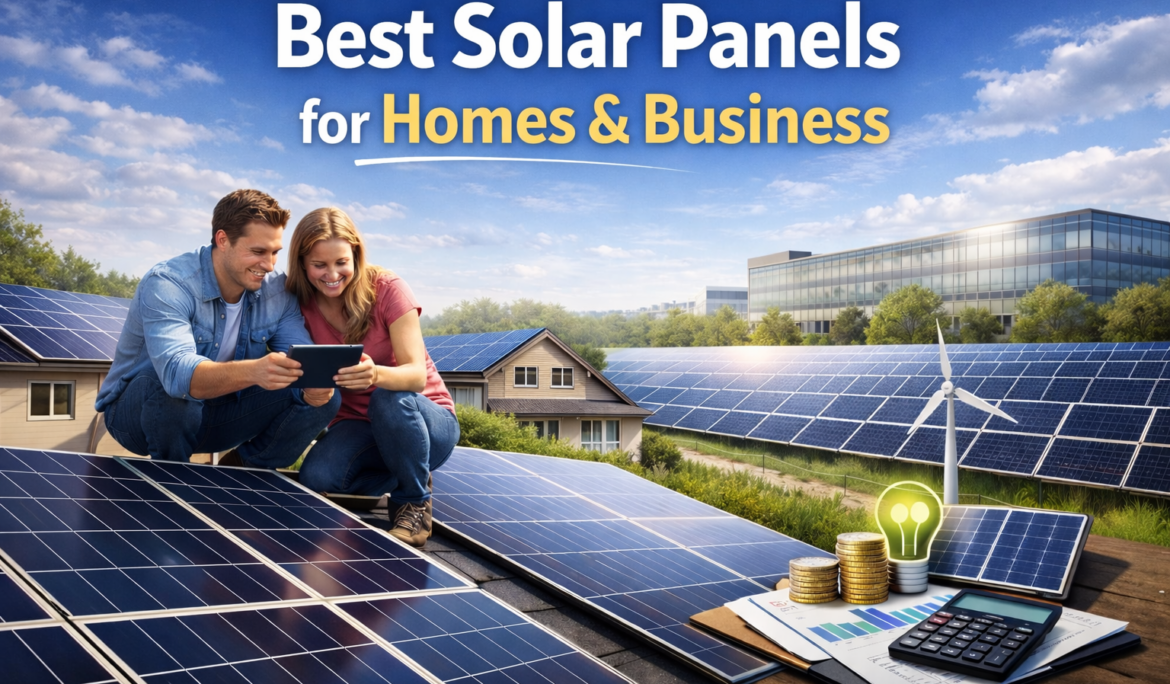
Choosing the Best Solar Panels is not only about saving money on electricity. It is about making a long-term energy investment. Whether you plan to install Solar Panels for Home use or for commercial operations, the right system can reduce bills, improve property value, and support sustainability goals. With growing renewable energy adoption in India, buyers now have more choices than ever before. More options are good, but they also require smarter decision-making.
Why Solar Energy Is a Smart Investment Today
Electricity prices continue to rise across residential and commercial sectors. Solar energy provides a predictable and long-term solution. Solar panels convert sunlight into electricity using photovoltaic technology. Once installed, they generate power for decades with minimal maintenance. According to the International Energy Agency (IEA), solar energy remains one of the fastest-growing renewable sources worldwide. This growth reflects improved efficiency, falling costs, and higher demand. In simple terms, solar has moved from optional to essential.
Solar Panels for Home: Understanding Your Requirements
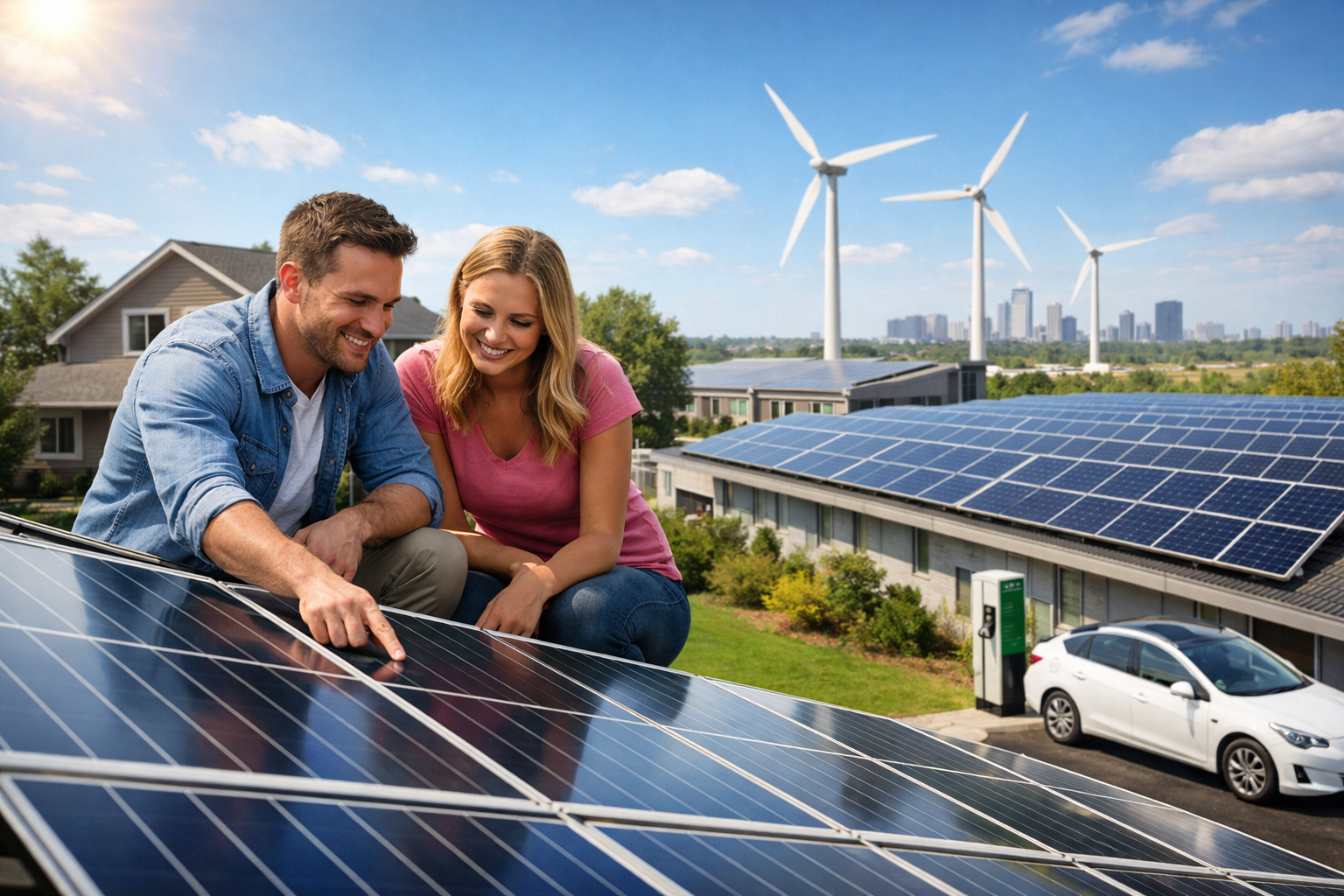
Before selecting Solar Panels for Home, you must analyze your monthly electricity usage. Check your electricity bills for the last year to calculate average consumption. A residential solar system typically ranges between 1kW and 10kW depending on household needs. Smaller homes require less capacity, while larger families with air conditioners and heavy appliances need higher output systems. Matching system size to actual consumption ensures optimal return on investment.
Types of Solar Panels for Home Installations
Not all panels perform equally. Understanding the differences helps you choose the Best Solar Panels wisely.
Monocrystalline Panels
Monocrystalline panels offer high efficiency and sleek design. They work well in limited roof space and generate more power per square meter. If your roof area is small, this option often qualifies among the Best Solar Panels for residential setups.
Polycrystalline Panels
Polycrystalline panels cost slightly less and provide reliable performance. They suit homes with sufficient roof space. While their efficiency may be slightly lower, they still deliver strong long-term value.
Thin-Film Panels
Thin-film panels are lightweight and flexible. However, they require larger installation areas and may not suit every home setup.
Best Solar Panels for Commercial and Business Use
Businesses require higher capacity systems compared to residential setups. Commercial buildings often install 20kW or larger systems depending on operational needs. When selecting the Best Solar Panels for business use, focus on durability, performance warranty, and efficiency under varying temperatures. Flat rooftops in commercial spaces usually simplify installation and scaling. A properly designed commercial solar system reduces operational costs significantly over time.
Efficiency: A Key Factor in Choosing Best Solar Panels
Panel efficiency determines how much sunlight converts into usable electricity. Higher efficiency means better output from the same roof space. Modern solar panels typically offer efficiency between 15% and 22%. Premium models rank higher within this range. The National Renewable Energy Laboratory (NREL) reports ongoing research that continues to improve solar cell efficiency. When comparing options, do not look only at price. Evaluate efficiency ratings, temperature tolerance, and power output guarantees.
Solar Panels for Home: Roof Position and Installation Planning
Roof direction and angle affect energy generation. South-facing roofs generally capture maximum sunlight in India. Avoid heavy shading from trees or nearby structures. Professional installers conduct site inspections before installation to assess sunlight exposure, structural strength, and wiring layout. Proper placement significantly improves system performance and long-term savings.
Importance of Inverter Selection
Solar panels produce DC electricity, but homes and businesses use AC electricity. The inverter converts DC to AC. Choosing the right inverter ensures stable performance. Common types include string inverters, microinverters, and hybrid inverters. Even the Best Solar Panels cannot deliver optimal results without a reliable inverter. Balanced system design matters.
Cost and Return on Investment
The initial cost of solar installation may seem high, but long-term savings justify the investment. Most residential systems recover their cost within several years depending on usage and local subsidies. After the payback period, electricity becomes almost free. Businesses benefit from additional tax advantages and depreciation benefits where applicable. Always calculate estimated savings before making a decision.
Warranty and Manufacturer Reputation
Reliable manufacturers offer product warranties of 10–15 years and performance warranties up to 25 years. Strong warranty coverage reflects confidence in quality. Check certifications such as IEC compliance and local regulatory approvals. The Best Solar Panels come from brands with proven performance history and strong customer support.
Maintenance and Long-Term Care
Solar systems require minimal maintenance. Regular cleaning removes dust and debris that may reduce output. In dry regions like Jaipur, periodic cleaning improves efficiency. Annual inspection ensures wiring and inverters function properly. Proper maintenance extends system lifespan and protects your investment.
Battery Storage: Is It Necessary?
Battery storage allows you to store excess electricity for later use. Homes facing frequent power outages benefit from battery backup. Businesses operating beyond daylight hours may also consider storage. However, batteries increase upfront costs. Evaluate your energy needs before adding storage solutions.
Common Mistakes to Avoid
Many buyers choose the lowest price without evaluating quality. Others ignore warranty terms or skip professional site assessment. Oversizing or undersizing the system also reduces efficiency. Smart buyers focus on long-term value rather than short-term savings.
Environmental Benefits of Solar Energy
Solar energy reduces dependence on fossil fuels and lowers greenhouse gas emissions. Renewable energy supports environmental sustainability and energy independence. Choosing Solar Panels for Home or business contributes to cleaner air and reduced carbon footprint. Financial savings and environmental responsibility go hand in hand.
Final Thoughts
Selecting the Best Solar Panels requires research, planning, and professional guidance. Whether installing Solar Panels for Home or commercial use, prioritize efficiency, warranty, installation quality, and long-term performance. Solar energy offers financial savings, operational stability, and environmental benefits. A well-informed decision today ensures decades of reliable and clean energy.