How Solar Panels Work: Types, Working, and Maintenance
Here is the ultimate guide on how solar panels work. As the world moves towards sustainable energy solutions, solar power has emerged as a game-changer. Whether for residential or commercial use, solar panels provide an eco-friendly, cost-effective way to generate electricity. But before you invest in solar energy, it’s essential to understand how solar panels work, the types of solar panels, and how to maintain a solar panel for long-term efficiency. In this guide, we’ll explore everything you need to know about solar panels and how they contribute to a greener future.
How Does Solar Energy Work?
Solar energy is the power harnessed from the sun’s rays and converted into usable electricity. This process is made possible through photovoltaic (PV) technology. When sunlight hits a solar panel, it excites the electrons in the photovoltaic cells, generating direct current (DC) electricity. An inverter then converts this DC electricity into alternating current (AC), which is used to power homes and businesses. This seamless process helps reduce dependence on fossil fuels while significantly lowering electricity bills.
How Do Solar Panels Work?
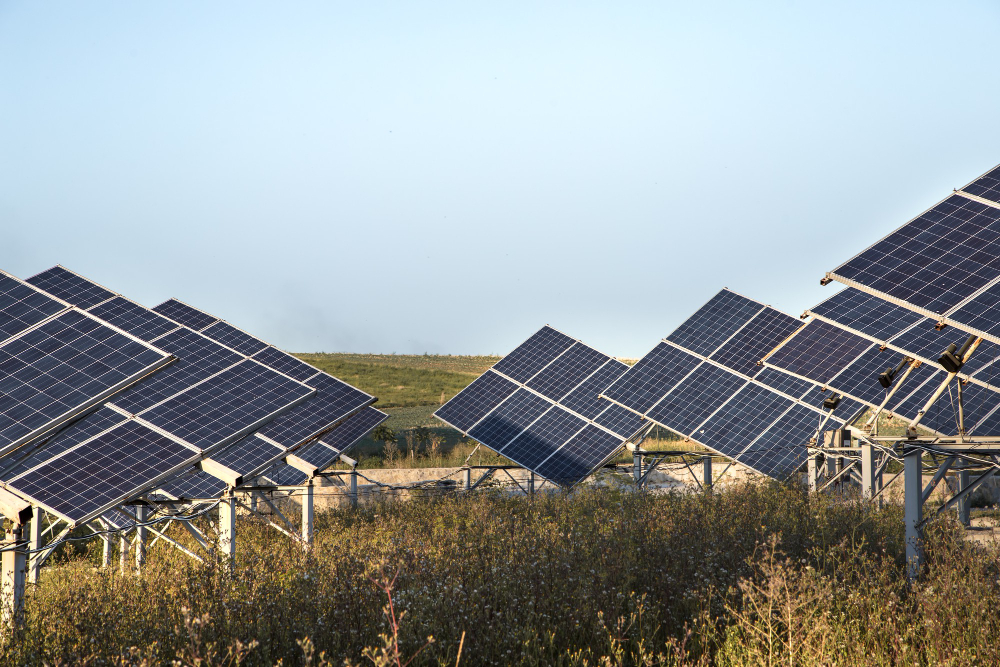
Multiple photovoltaic cells, usually composed of silicon, make up solar panels. These cells absorb sunlight and trigger the photoelectric effect, which generates an electric charge. Here’s a step-by-step breakdown of the solar panels working process:
- Absorption of Sunlight: Solar panels capture sunlight through PV cells.
- Electron Excitation: The absorbed light excites electrons, creating an electrical current.
- Electricity Generation: This current is collected through wiring in the panel.
- Conversion to Usable Power: An inverter transforms DC power into AC power.
- Power Distribution: The converted electricity is supplied to your home or business for immediate use.
- Excess Energy Storage: Any surplus energy can be stored in solar batteries or fed back into the power grid.
Types of Solar Panels
There are different types of solar panels, each with unique features and benefits. Choosing the right one depends on your budget, space, and energy requirements. Here are the main types of solar panels:
1. Monocrystalline Solar Panels
- Made from a single continuous crystal structure
- High efficiency (18-22%) and long lifespan (25+ years)
- Performs well in low-light conditions
- Ideal for limited space but more expensive
2. Polycrystalline Solar Panels
- Made from multiple silicon crystals
- Moderate efficiency (15-17%)
- More affordable than monocrystalline panels
- Requires more space for the same energy output
3. Thin-Film Solar Panels
- Lightweight and flexible, making them ideal for unconventional surfaces
- Lower efficiency (10-12%) but cost-effective
- Works better in cloudy or low-light conditions
- Less durable compared to crystalline panels
4. Bifacial Solar Panels
- Can generate power from both sides
- High efficiency and increased energy output
- Suitable for commercial and large-scale applications
Understanding these different solar panel options can help you make an informed decision based on your energy needs and budget.
How Does Solar Power Work?
Solar power works by capturing sunlight and converting it into electricity. Once the solar panels generate DC electricity, the inverter plays a crucial role in converting it into AC electricity for household or commercial use. Homeowners can store excess energy in solar batteries for later use or feed it back into the grid through net metering to earn credits on their electricity bills.
How to Maintain a Solar Panel for Maximum Efficiency
Proper maintenance ensures that solar panels function efficiently for years. Here are some key tips on how to maintain a solar panel:
- Regular Cleaning: Dust, dirt, and bird droppings can reduce panel efficiency. Clean your panels with water and a soft brush or cloth.
- Inspection for Damage: Check for cracks, loose wiring, or other signs of damage that may affect performance.
- Monitor Performance: Keep track of energy production using a solar monitoring system to detect any performance issues early.
- Trim Nearby Trees: Ensure that no trees or structures cast shadows on the panels, as shading reduces efficiency.
- Schedule Professional Maintenance: Annual professional check-ups help detect and fix potential problems before they escalate.
Conclusion
Switching to solar energy is a smart decision that benefits both the environment and your finances. By understanding how solar panels work, the different types of solar panels, and how to maintain a solar panel, you can maximize efficiency and enjoy long-term savings. Whether you opt for monocrystalline, polycrystalline, or thin-film solar panels, solar energy is an investment that pays off in the long run. Make the switch today and take a step towards a sustainable and energy-efficient future!