How to Choose Solar Panel for Your Home or Business
How to Choose Solar Panel for Your Home or Business is a crucial decision for homeowners and businesses looking to save on electricity bills and contribute to a greener planet. However, choosing the right solar panels can be overwhelming with so many options available. In this guide, we’ll help you understand the key factors to consider when selecting the best solar panel system for your needs.

1. Types of Solar Panels
Before investing in a solar power system, it’s essential to know the different types of solar panels available in the market:
a) Monocrystalline Solar Panels
- Made from a single crystal of silicon, making them more efficient.
- Higher power output and better performance in low-light conditions.
- Ideal for residential and commercial properties with limited roof space.
b) Polycrystalline Solar Panels
- Made from multiple silicon fragments melted together.
- More affordable than monocrystalline panels but slightly less efficient.
- Suitable for larger roof spaces where efficiency is not a major concern.
c) Thin-Film Solar Panels
- Made from layers of photovoltaic materials deposited on a surface.
- Lightweight, flexible, and ideal for commercial buildings with large rooftops.
- Lower efficiency but performs well in cloudy conditions.
2. Factors to Consider When Choosing Solar Panels
a) Efficiency of Solar Panels
The efficiency of a solar panel determines how much sunlight is converted into electricity. Monocrystalline panels have the highest efficiency (18-22%), while polycrystalline and thin-film panels have lower efficiency rates.
b) Power Output and Wattage
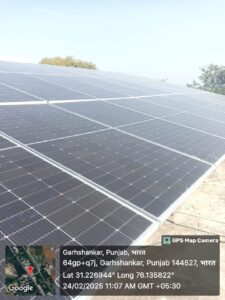
Solar panels come in different wattages, usually ranging from 250W to 400W. Higher wattage panels generate more electricity and are ideal for homes and businesses with higher energy consumption.
c) Durability and Warranty
Invest in solar panels with long-term warranties (typically 25 years). Panels should be durable enough to withstand extreme weather conditions such as heavy rain, wind, and snow.
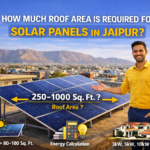
d) Roof Space Availability
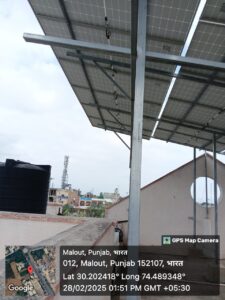
If your roof has limited space, opt for high-efficiency solar panels that generate more power per square meter. For larger spaces, lower-efficiency panels can be a more cost-effective option.
e) Cost and Budget
The cost of solar panels depends on their efficiency, brand, and quality. While high-efficiency solar panels may have a higher initial cost, they offer better returns on investment over time by generating more power.
f) Solar Inverter Compatibility
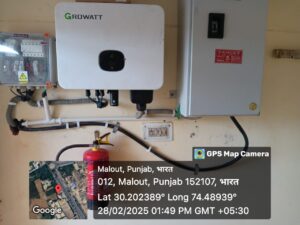
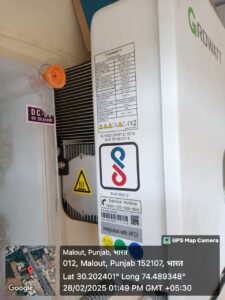
A solar inverter converts DC electricity from solar panels into usable AC electricity. Ensure that your inverter is compatible with your chosen solar panels for optimal performance.
3. Choosing the Right Solar Panel Manufacturer
When selecting a solar panel brand, consider the following:
- Reputation and reviews from previous customers.
- Certifications and quality standards (e.g., IEC, UL, MNRE approval).
- Performance guarantees and after-sales support.
4. Grid-Tied vs. Off-Grid Solar Systems
- Grid-Tied Solar System: Connected to the electricity grid, allowing excess energy to be sent back and credited to your bill.
- Off-Grid Solar System: Independent system with solar battery storage, ideal for remote areas without grid access.
5. Government Incentives and Subsidies
Many governments offer subsidies, tax benefits, and financing options for solar panel installations. Check the available solar incentives in your region to reduce your upfront investment.
Conclusion
Choosing the right solar panel system depends on your energy needs, budget, and available roof space. By considering efficiency, durability, cost, and warranty, you can select the best solar panels for your home or business. Investing in solar energy not only reduces electricity bills but also promotes environmental sustainability.
Get Expert Consultation
Need help selecting the best solar power system? Contact us today for a free consultation and customized solar solutions for your home or business!