How to Clean Solar Panels and Maintain Performance
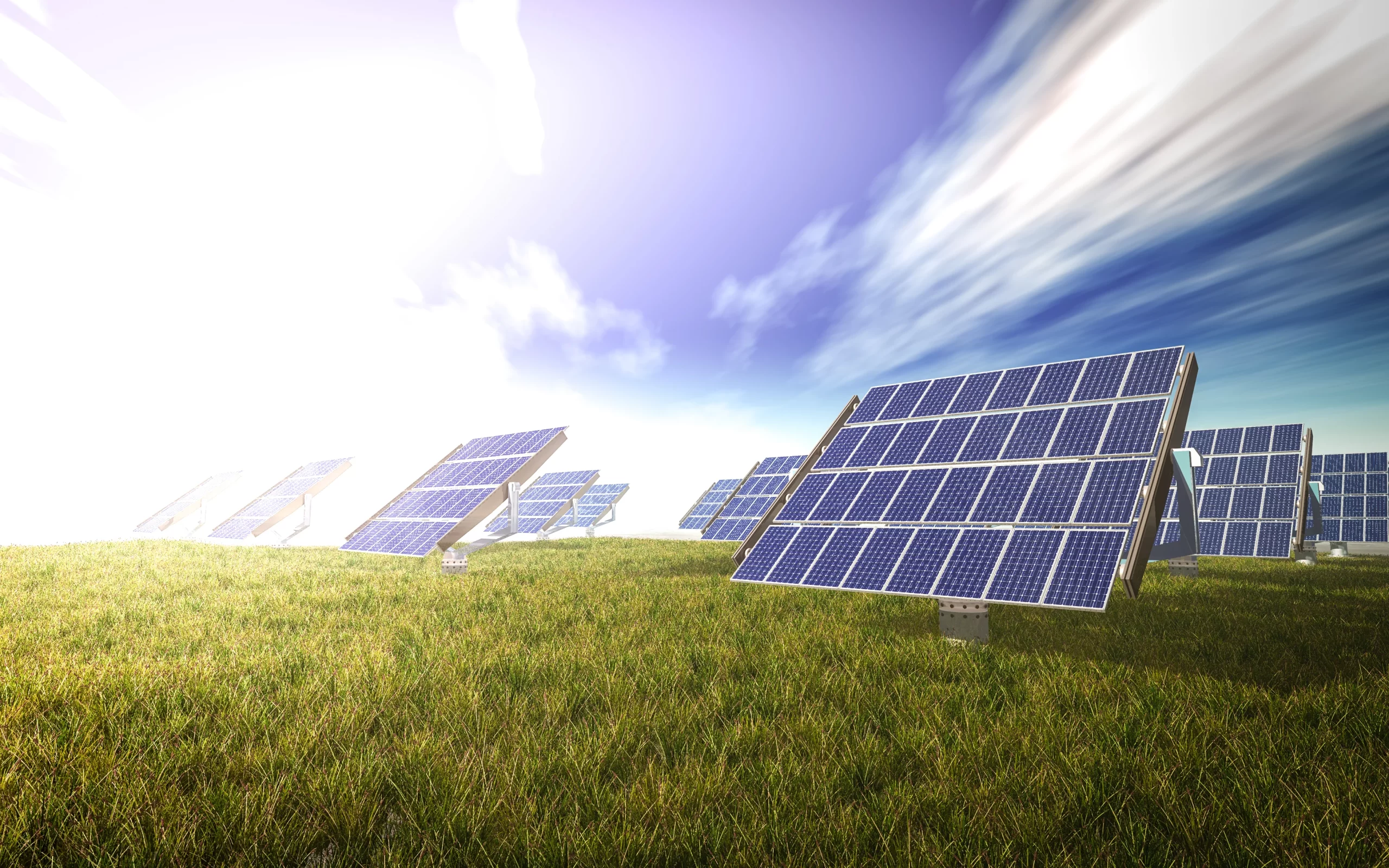
Solar panels are an investment in clean power for the long haul, but there must be appropriate care so that they perform optimally. Among the most critical duties for system owners is how to clean solar panels and ensure performance in the long run. Dust, bird droppings, and pollution might insulate sunlight and decrease energy yield if not regularly cleaned.
In this blog, you’ll discover the right methods, tools, and tips to keep your solar panels clean and running efficiently, as well as how proper maintenance ensures long-term savings
Why Cleaning Solar Panels Is Essential
As dirt accumulates on solar panels, it blocks sunlight from hitting the photovoltaic cells. This can lower your system’s energy output by 15–25% or more over time.
Learning solar panel cleaning and performance maintenance assists you:
- Maximize solar output
- Increase efficiency in your system
- Prolong the life of your panels
- Save your warranty
- Common Causes of Dirty Solar Panels
Solar panels collect dirt from many different factors. The following are some of the most common:
1. Dust and Wind Blown Particles
If you live in a dry and windy environment, your solar panels will get dirt, dust, and grime very quickly, as that will accumulate on the surface.
2. Bird Droppings
Besides blocking light, bird droppings will likely cause damage to the solar panel surface coating in time.
3. Leaves and Pollen
You can have sticky, gooey leaves and pollen stuck to your solar panels when spring and fall arrive, especially if you have overhangs from trees.
4. Urban pollution
If your solar panel system is located near a factory or a highway, the soot and smoke from both might be a big contributor to dirt build up on your solar panels.
How to Clean Solar Panels and Maintain Performance
Now let’s go through the safe and effective process of cleaning your solar panels in a way that will not damage them.
Step 1: Safety First
As mentioned previously, always turn off your solar system before cleaning. Make sure you are on stable ground, and use a secure ladder if needed.
Step 2: Use the Right Tools
You do not need a lot of expensive equipment, just a basic range of tools including the following:
- Soft sponge or microfiber cloth
- Mild soap or detergent
- Soft bristled brush or long handled squeegee
- Hose with low pressure
- Do not use pressure washers or harsh chemicals that may damage the surface.
Step 3: Rinse and Wipe
- Start by rinsing off any loose debris with water.
- Apply soapy water and scrub lightly with a soft brush.
- Make sure to thoroughly rinse the panel to remove all soap.
- Let the panel air-dry or use a clean cloth to wipe it down.
This method is safe and effective for maintaining the appearance and function of your solar panels.
How Often Should You Clean Solar Panels?
The frequency in which to clean will depend on where you are located and your local weather conditions. Here are a few recommendations:
- Every 6 months in normal environments
- Every 3 months in dusty or coastal environments
- Monthly in very active areas occupied by birds
- Routine inspections will enable you to see any loss of efficiency due to dirt or wear.
Maintenance Tips Beyond Cleaning
While cleaning your system is important, it is simply not enough on its own to really maintain performance. Below are some other maintenance practices you would want to consider:
1. Tracking System Output
You’ll want to track your solar system’s energy output. If you notice a sudden drop-off, the cause may be dirt buildup or a technical issue.
2. Check Shading
Keep trees trimmed and remove all leaves so that you can avoid shadows and potential falling and blocking sunlight.
3. Check for Damage
When cleaning, check for cracks, rust, or other damage, and especially loose wiring.
4. Keep Bugs away
There’s always a chance that birds or rodents may nest under your solar panels, so you might want to install barriers on the panel’s edges to deter this.
5. Professional Maintenance
If you have a professional visit once per year to inspect the annual output of your solar system, this will help you identify if you have any issues early.
Should You Hire a Cleaning Professional?
Even if most homeowners would prefer to clean their own panels, hiring a professional is worth considering if:
- Your solar panels are difficult to reach
- You have a steep or slippery roof
- You have a large solar panel array
- You would like to use professional tools and techniques
Professionals are more likely to use deionized water and other specialized tools designed for safely and quickly removing solar panel build-up.
Benefits of Clean Solar Panels
Here’s why you need to clean your panels regularly:
- Greater Efficiency: Clean panels absorb sunlight
- Cost savings: More power means lower electricity costs
- Increased life: Reduces corrosion and wear
Warranty conditions: Some warranties may require verification of regular maintenance
If you know how to clean solar panels and keep them operating at peak performance, you are protecting your investment and making sure you are maximizing your return on investment.
Conclusion
Routine maintenance and cleaning can help you take full advantage of your solar panels. By using safe and simple methods for how to clean solar panels and operate them correctly, you can ensure your system continues to produce maximum energy in an efficient and reliable manner.
Whether you do it yourself or have a professional do it for you, consistency is the key to getting the best return from your solar energy system.
FAQs
Q1. When is a good time to clean solar panels?
Ans. Before the sun rises, or after the sun has set, when the panels are cool and there is no direct sunlight.
Q2. Am I able to clean with vinegar and glass cleaner?
Ans. Best to stay away from these. Use soap and water. Vinegar or other chemicals could damage the panel coating.
Q3. How do I know it needs cleaning?
If the power output drops or the panels look visibly dirty, it is time to clean them.