Industrial Solar Power Plant: The Future of Sustainable Energy
In today’s rapidly evolving world, Industrial Solar Power Plant projects are taking center stage as a transformative solution for sustainable energy production. As industries worldwide strive to reduce carbon footprints and cut operational expenses, adopting solar energy systems has become more than a trend—it’s a necessity. This blog will explore the inner workings, benefits, and future prospects of industrial solar power plants, while also shedding light on complementary concepts like solar panel installation, renewable energy solutions, solar power system design, and solar energy cost savings.
What is an Industrial Solar Power Plant?
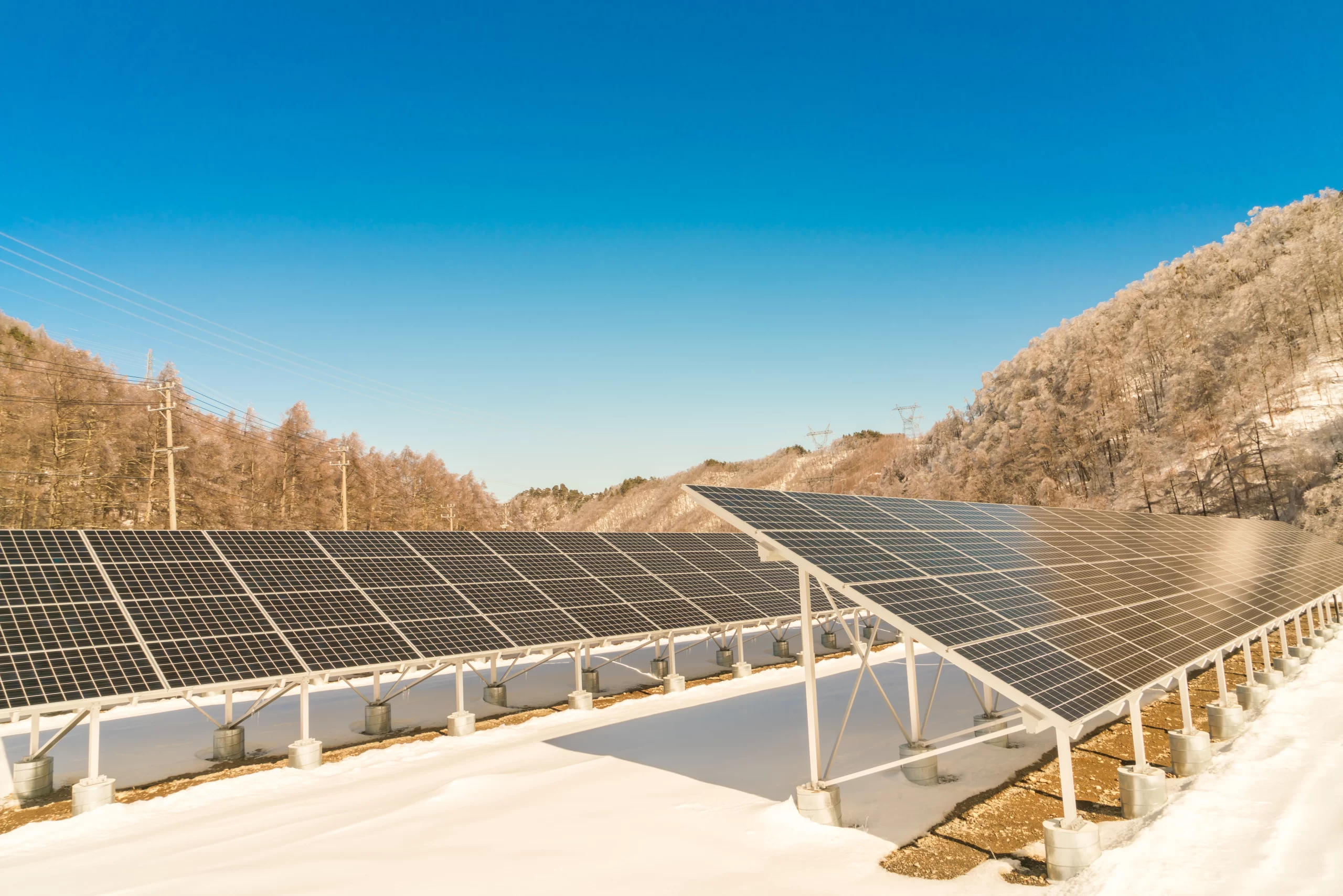
An Industrial Solar Power Plant is a large-scale solar project designed to generate electricity primarily to meet the energy needs of factories, warehouses, and manufacturing facilities. Unlike residential solar setups, these systems are engineered for high-capacity production, integrating extensive solar panel installations and advanced power electronics to deliver reliable and clean energy.
Industrial solar power plants typically use photovoltaic (PV) modules or concentrated solar power (CSP) technologies to convert sunlight into electrical energy. The generated electricity can either be used on-site, reducing dependence on grid power, or fed into the national grid to generate additional revenue or energy credits.
How Do Industrial Solar Power Plants Work?
Solar Panel Installation and Energy Conversion
At the core of every industrial solar power plant is the solar panel installation. These panels are arranged in vast arrays on rooftops, open land, or solar farms. When sunlight strikes the photovoltaic cells, electrons are excited, creating an electrical current—a process known as the photovoltaic effect.
Role of Inverters and Power Management
Once the solar panels produce direct current (DC) electricity, inverters convert it into alternating current (AC) so it can be used by industrial machinery or fed into the grid. Advanced control systems ensure optimal power flow, balancing production with consumption and storage needs.
Energy Storage Integration
Many industrial solar power plants now incorporate energy storage systems like lithium-ion batteries. These solar energy storage solutions enhance reliability by storing excess energy during peak sunlight hours, which can then be dispatched during periods of low sunlight or high energy demand.
Benefits of Industrial Solar Power Plants
Implementing an industrial solar power plant offers a wide range of strategic, environmental, and financial benefits.
Cost Savings and ROI
One of the most compelling advantages of industrial solar is the cost savings it delivers. While the upfront investment may seem significant, long-term benefits often outweigh initial costs. Industrial facilities that invest in solar energy systems can significantly reduce electricity bills by generating power onsite. Additionally, government incentives, tax credits, and renewable energy certificates may provide further financial relief.
Sustainability and Reduced Carbon Footprint
Industrial solar power plants play a crucial role in combating climate change. By switching to renewable energy sources, businesses can drastically cut greenhouse gas emissions. This contributes to corporate sustainability goals and enhances brand reputation in an increasingly eco-conscious marketplace.
Energy Independence and Reliability
Many industrial sectors face challenges with rising energy costs and unstable grid supply. Reducing dependence on fossil fuels and importing power from the grid enhances operational reliability. With smart solar power system design, plants can operate autonomously during grid outages, ensuring continuity in production.
Enhanced Asset Value and Competitive Edge
Installing an industrial solar power plant can boost a company’s asset value while attracting investors who prioritize environmental, social, and governance (ESG) criteria. Enhanced sustainability performance often leads to competitive advantages in global markets.
Industrial Solar Power Plant Components
Understanding the main components of an industrial solar power plant helps visualize how each part contributes to overall performance.
Solar Panels (PV Modules)
These are the primary units that capture sunlight and convert it into electricity. Modern solar panels come with high efficiency and durability, making them ideal for large-scale industrial applications.
Mounting Structures
These support systems are designed to hold panels securely on rooftops or on the ground. Adjustable mounts help optimize the angle of panels for maximum sunlight exposure.
Inverters
Inverters are essential in converting DC electricity from solar panels into AC electricity suitable for industrial use. Efficient inverters improve energy output and system reliability.
Electrical Wiring & Protection Devices
Well-designed electrical systems ensure safe and efficient power transmission throughout the facility, protecting equipment and personnel.
Energy Storage (Optional but Increasingly Common)
Battery storage allows plants to store excess energy for later use, enhancing flexibility and reliability.
Monitoring & Control Systems
Real-time performance monitoring helps operators track energy production, detect issues, and optimize the system for peak efficiency.
Key Considerations Before Building an Industrial Solar Power Plant
Planning and implementing an industrial solar project requires careful consideration of several factors:
Site Selection and Solar Potential
The location must receive ample sunlight throughout the year. Solar irradiance data and shading analysis are essential to determine optimal positioning.
Feasibility Study and Cost Analysis
A detailed feasibility study helps businesses evaluate financial viability, including projected energy yields, cost savings, and return on investment (ROI).
Technical Design and Engineering
Expert engineers will design a customized solar solution, ensuring maximum energy production and integration with existing electrical infrastructure.
Permitting and Compliance
Industrial solar projects must adhere to local regulations and building codes. Proper permitting ensures smooth installation and operation.
Operations & Maintenance (O&M)
Scheduled maintenance prolongs the lifespan of the solar system and maintains peak performance. O&M includes cleaning panels, checking electrical connections, and tracking performance metrics.
Real-World Use Cases of Industrial Solar Power Plants
Manufacturing Industries
Factories with high energy demands are leading adopters of industrial solar. Solar plants help reduce utility costs while ensuring uninterrupted production schedules.
Warehousing and Logistics
Large warehouses with expansive roof space can maximize solar panel installations to offset lighting, HVAC, and operational power needs.
Water Treatment and Infrastructure
Energy-intensive processes like water purification and pumping benefit from onsite solar energy, minimizing operational costs.
Commercial and Mixed-Use Complexes
Large commercial buildings can host industrial solar power plants to reduce common area lighting, elevators, HVAC systems, and more.
Overcoming Challenges in Industrial Solar Projects
While the benefits are significant, companies may face challenges when implementing industrial solar power systems.
Initial Investment Barriers
High upfront costs can deter some businesses. However, financing options, leases, and power purchase agreements (PPAs) can mitigate this challenge.
Energy Demand Matching
Balancing energy production with fluctuating industrial loads requires smart system design and often energy storage solutions.
Skilled Workforce Requirements
Installation and maintenance require trained personnel. Partnering with trusted solar EPC (Engineering, Procurement, and Construction) providers helps ensure project success.
The Future of Industrial Solar Power Plants
The future is bright for Industrial Solar Power Plant technology. As solar panel efficiency continues to improve and costs decline, more industries will transition to clean energy. Integrating emerging technologies like AI-based performance monitoring, advanced energy storage, and smart grid compatibility will further solidify solar energy’s role in industrial operations.
With increasing global focus on sustainability and renewable energy mandates, industrial solar power plants are no longer optional—they’re essential.
Conclusion
Embracing an Industrial Solar Power Plant is a strategic decision that aligns economic growth with environmental stewardship. From reducing energy costs and enhancing operational resilience to achieving sustainability goals and future-proofing business operations, solar energy is a powerful tool for industrial transformation.
If you’re considering a solar energy solution for your business, now is the time to explore how an industrial solar power plant can power your success.