
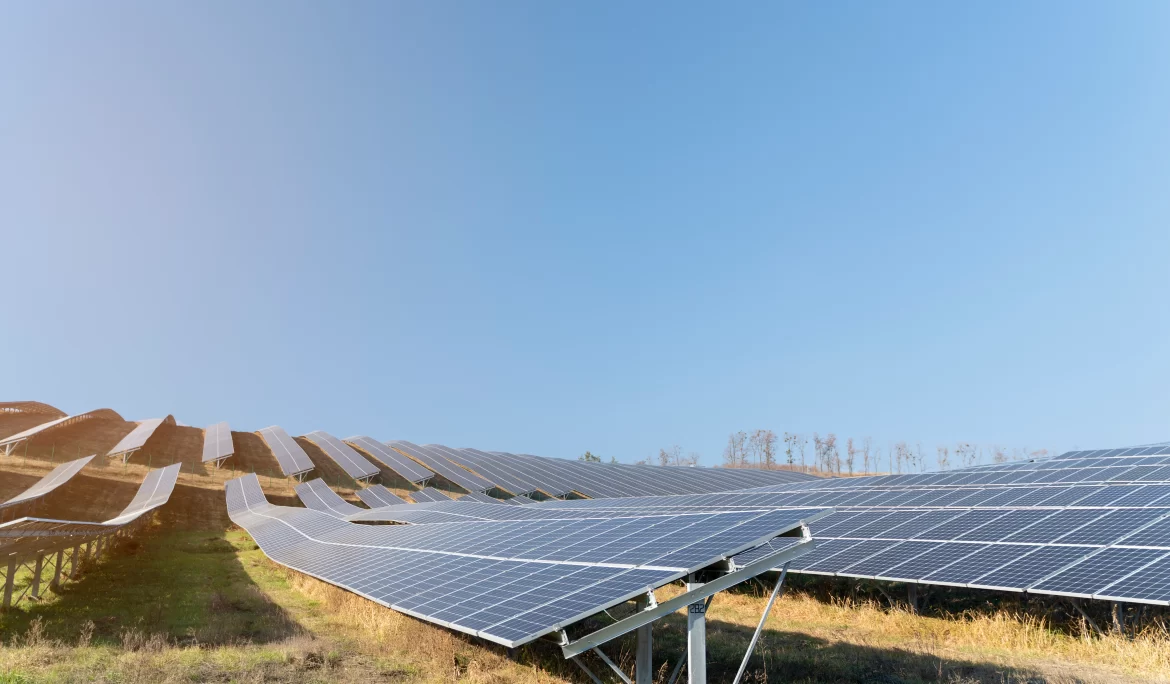
Large-Scale Solar Farms: Land Use, Environmental Impact & Community Engagement
Introduction
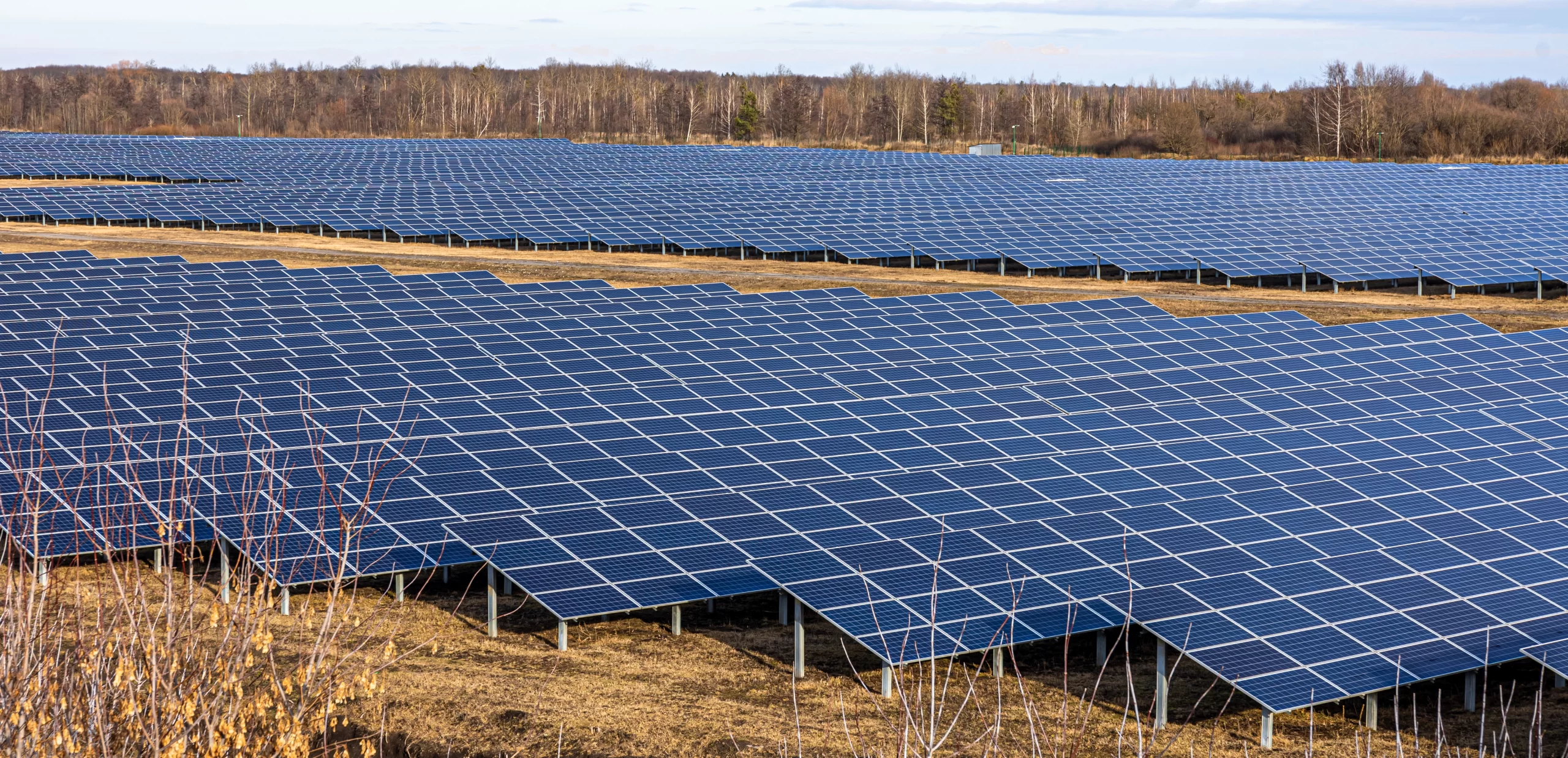
Large-Scale Solar Farms: Land Use, Environmental Impact & Community Engagement are increasingly important topics as countries shift toward renewable energy. A large-scale solar farm offers clean energy and helps reduce greenhouse gas emissions, but building one involves trade-offs—in land use, environmental effects, and community relationships. In this article, we explore how solar farms interact with land resources, what environmental considerations must be addressed, and how to engage with local communities to ensure sustainable outcomes. We also incorporate key themes like solar panel efficiency, solar installation cost, biodiversity, and renewable energy policy to show how they interrelate.
What Is a Large-Scale Solar Farm?
-
A large-scale solar farm (also utility-scale or commercial solar power plant) usually means a facility generating many megawatts (MW) of power, often ground-mounted photovoltaic (PV) systems.
-
These differ from rooftop solar or small-scale solar projects in that they need large parcels of land, detailed environmental impact assessments, grid interconnection, and regulatory approvals.
-
They are key in achieving national solar energy targets and scaling renewable energy infrastructure.
-
With increasing solar energy demand and improving solar power system components, large-scale farms become more feasible and cost-effective.
Land Use Considerations
Site Selection & Land Type
When selecting land for large-scale solar farms, these factors are crucial:
-
Use of previously disturbed land or marginal lands (non-arable) to avoid converting fertile agricultural land or natural ecosystems.
-
Consideration of slope, soil stability, aspect (solar exposure), and proximity to transmission lines to reduce infrastructure costs and environmental disruption.
-
Avoiding sensitive habitats or protected areas (forests, wetlands) to minimize habitat loss or fragmentation. This helps reduce conflict with biodiversity goals.
Land Area & Footprint
-
Depending on technology and layout, a large-scale solar farm may require several acres per MW. For example, depending on module efficiency, fixed or tracking systems, spacing, etc.
-
The land footprint includes panel arrays, access roads, maintenance zones, and buffer zones.
-
Dual use (agrivoltaics) or integrating with grazing can reduce the effective land impact.
Environmental Impacts
Biodiversity & Ecosystems
-
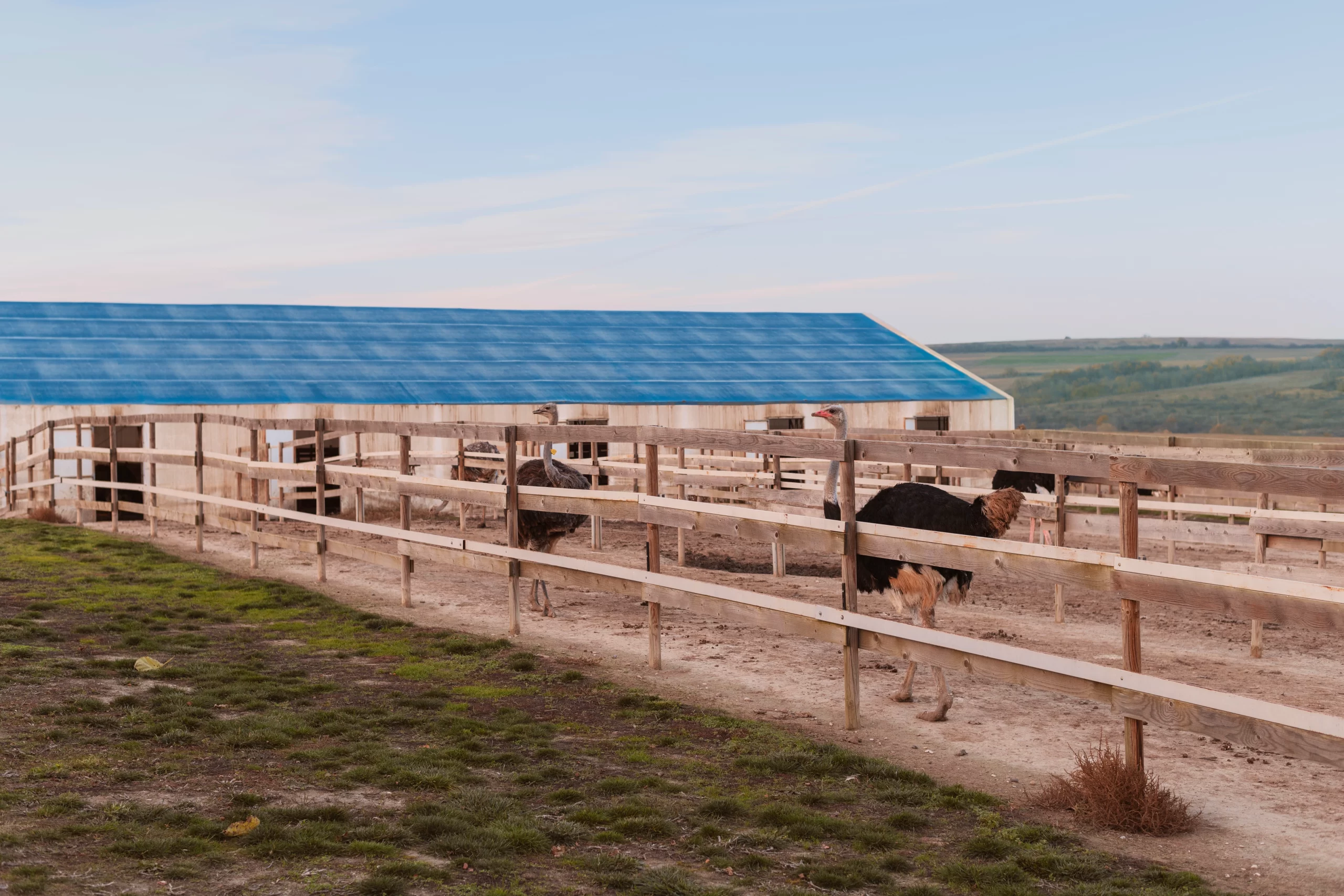
Large-Scale Solar Farms: Land Use, Environmental Impact & Community Engagement must address biodiversity. Turning land for solar farms can disturb flora and fauna, especially in ecologically sensitive zones.
-
Habitat loss or fragmentation: wildlife corridors may be broken; native species may be displaced. Mitigation can include retaining buffer zones, restoring adjacent habitat, or wildlife passages.
Soil, Water, & Air
-
Soil compaction, changes in drainage, erosion risk during construction are common concerns.
-
Water usage: although solar farms generally use far less water than thermal fossil fuel plants, water may be needed for cleaning panels, for dust suppression, and sometimes for cooling systems in concentrating solar plants. In arid regions, this is a critical factor.
-
Air quality improvements: replacing fossil fuel generation reduces emissions of NOₓ, SO₂, CO₂, particulate matter. But construction activity can temporarily raise dust and particulates around the site. Good practices like dust control needed.
Landscape & Visual Impacts
-
The visual character of the land can change dramatically; solar farms may be visible from roads or villages. Some people may consider them an eyesore.
-
Measures: aesthetic landscaping, buffer trees or hedges, maintaining natural visual corridors.
Community Engagement & Social Implications
Engaging Local Communities
-
Early involvement of the local community is essential. Developers should consult landowners, local councils, residents to understand concerns (noise, dust, land rights).
-
Transparency: sharing site plans, environmental impact assessments, mitigation strategies builds trust.
Benefit Sharing
-
Employment: construction and maintenance jobs are created locally.
-
Economic development: solar farms can generate lease income for landowners, local tax revenue, improved infrastructure (roads, grid stability).
-
Access to electricity: sometimes parts of surplus power can be allocated for local usage or for reducing electricity costs in nearby areas.
Mitigation of Negative Impacts
-
If agriculture land is used, compensate landowners adequately, or allow dual use (e.g. grazing or intercropping under panels).
-
Mitigate displacement of people, protect cultural sites, maintain access to water sources.
-
Regulatory compliance and ongoing monitoring to ensure environmental and social safeguards are adhered to.
Balancing Costs, Policy & Technology
Financial & Policy Factors
-
Solar installation cost for large projects involves land acquisition or leasing, module and inverter costs, grid connection, permitting. Incentives, subsidies, tariffs, renewable energy policy all influence viability.
-
Government policies: zoning rules, environmental regulation, net metering, feed-in tariffs, carbon credits. Strong policy support lowers risk and improves investment confidence.
Technology & Efficiency
-
High solar panel efficiency reduces land required per MW. More efficient modules/ tracking systems help maximize power output per unit area.
-
Use of durable, low maintenance equipment improves lifecycle cost, reduces operational environmental footprint.
-
Energy storage integration: helps with intermittency, smoothing out energy supply, and reducing strain on the grid.
Case Study: Bhadla Solar Park (India)
-
The Bhadla Solar Park in Rajasthan covers around 56 square kilometers and produces ~2,245 MW. It illustrates many of these trade-offs: large land area, desert location (lower ecological conflict), high solar irradiance, economic benefits and large emissions reductions.
-
It shows how using relatively unused or low-value land, close to infrastructure, and in places with little rainfall, helps minimize water conflict and environmental disturbance.
Best Practices & Guidelines
-
Prioritize land that is already disturbed or having low agricultural value.
-
Conduct full environmental impact assessments (EIA), including flora/fauna surveys, hydrology, soil studies.
-
Include buffer zones, wildlife corridors; avoid or minimize clearing of trees; restore vegetation where possible.
-
Use modular designs, efficient panels, consider trackers or bifacial panels to extract more power with less land.
-
Engage community early, honestly; include compensation plans, benefit sharing, and grievance redressal.
-
Monitor performance, environmental indicators (soil erosion, water quality, biodiversity) regularly.
Conclusions
Large-scale solar farms bring numerous advantages: clean renewable energy, lower carbon emissions, and potential for economic uplift in local areas. But with great scale comes responsibility. By carefully managing land use, understanding environmental impacts, and engaging communities as partners rather than just stakeholders, solar developers can ensure that Large-Scale Solar Farms: Land Use, Environmental Impact & Community Engagement truly deliver sustainable outcomes. The future of solar power lies not just in volume of panels installed, but in minimizing adverse impacts and maximizing social and ecological benefits.