
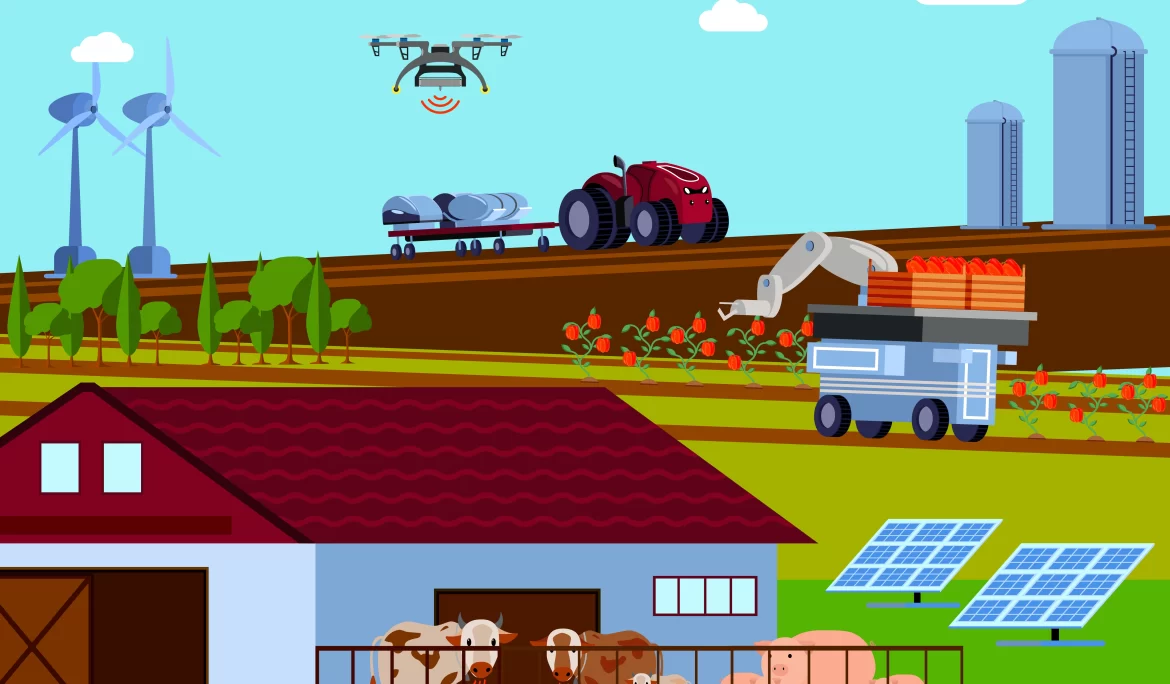
Solar for Agriculture: Use Cases, Pumps & Farms
Solar energy is transforming agriculture across India and beyond. From powering irrigation pumps to enabling greenhouse systems, solar solutions are making farms more sustainable, cost-efficient, and resilient. In this article, we explore real use cases of solar in agriculture, the types of pumps and systems used, benefits, challenges, and guidance on selecting one of the best solar companies for agricultural applications.
Why Solar in Agriculture? Key Drivers & Benefits
Reducing Operating Costs & Fuel Dependency
Farmers traditionally rely on diesel, grid electricity, or groundwater pumps for irrigation. These carry recurring expenses—fuel costs, electricity bills, maintenance. Solar pumps eliminate or drastically reduce such running costs. Over time, savings can more than offset capital cost.
Reliable Power in Remote Areas
Many farming areas face unreliable grid supply or no grid access at all. Solar systems provide autonomous, dependable electricity. For off-grid or weak grid zones, solar pumps are often the only practical solution.
Environmental and Sustainability Gains
Using solar — a clean, renewable source — cuts greenhouse gas emissions, reduces reliance on fossil fuels, and supports sustainable agriculture practices. It also helps farms meet regulatory or incentive-driven goals for renewables.
Enabling Modern Farming Techniques
With reliable power, farmers can adopt precision irrigation, drip systems, sensors, and greenhouse automation — increasing yields and reducing water waste. Solar infrastructure helps support these smart farming methods.
Use Cases of Solar in Agriculture
Solar-Powered Irrigation & Pumps
This is the most prominent application: solar water pumps draw water from wells, canals, reservoirs or ponds to irrigate fields. In India, solar pumps are increasingly deployed under government schemes, aiding farmers who once depended on diesel pumps.
These pumps can be stand-alone off-grid systems or grid-connected hybrid ones. In the grid-connected scenario, when the pump is idle, surplus solar energy can be fed back into the grid (net injection), generating additional income.
Micro / Small-scale Solar Pumps
For small farmers with limited land, micro or submersible solar pumps are transforming irrigation feasibility. These lightweight systems support small plots, vegetable patches, or greenhouse setups. They reduce upfront cost and are easier to maintain.
Solar-Driven Greenhouses & Controlled Environments
In high-value crop farming, solar systems power greenhouse fans, heating, cooling, drip irrigation, shade control systems. This allows farms to grow vegetables, herbs, or flowers even in challenging climates with energy self-sufficiency.
Solar for Cold Storage & Processing on Farms
On-site solar installations can power cold storages, sorting units, packaging machines, or small processing units (e.g. dehydration, milling). This reduces post-harvest losses and adds value locally.
Solar Farms for Farming Communities
Larger solar farms can be established in or alongside agricultural land, supplying electricity to multiple farms. The revenue from leasing or sharing can support community farming infrastructure.
Types of Solar Irrigation Pump Systems
DC Solar Pumps (Direct-Drive)
These pumps run directly from DC solar panels without needing an inverter. They are efficient for small systems, with fewer conversion losses. Ideal for setups where panels and pump are co-located.
AC Solar Pumps (with Inverters)
Here, solar panels feed a solar inverter to convert DC to AC, which drives standard AC pumps. This design works well for larger systems and when integration with grid or backup is required.
Hybrid or Grid-Tied Solar Pumps
In hybrid systems, solar works during daylight, and the pump can also draw from grid or battery backup when solar is insufficient. In grid-tied designs, excess energy can be exported to the grid for credit or income (net metering). This model increases financial viability.
Solar Pump Modules for Deep Wells
For deeper aquifers, solar pump systems are tailored with higher head capacity. Specialized pump motors, panels, and controls are used to overcome the depth challenge.
Financial & Economic Aspects
Capital Cost vs Running Cost
Solar irrigation requires higher upfront investment than diesel pumps. However, operating costs drop dramatically since you forego fuel and electricity bills. Typical payback periods vary from 3 to 8 years depending on size, water requirements, and subsidy support.
Subsidies, Incentives & Government Programs
Many Indian states and central schemes (e.g. under PM KUSUM) provide generous subsidies (up to 60%) to farmers who adopt solar pump systems. These incentives make solar more accessible and shorten payback.
Revenue from Grid Injection
In grid-tied solar pump systems, when pumps aren’t in operation, surplus electricity can be sold to the grid — creating additional income for farmers. This model improves return on investment.
Cost-Benefit Modeling
Analyses (e.g. for Rajasthan) show solar irrigation systems can yield positive net returns over their life cycle when factoring maintenance, subsidies, water usage, and grid feedback.
H3: Risks & Challenges
-
Irrigation demand fluctuations or seasonal usage patterns
-
Maintenance needs (dust, panel cleaning, component replacement)
-
Groundwater depletion risk if unregulated pumping rises (observed in some regions)
-
Quality of installation and component selection matters hugely
How to Choose the Right Best Solar Companies for Agriculture
Selecting a reliable provider is critical for long-term success. Here are key considerations when you evaluate among best solar companies in the agriculture domain:
Proven Experience in Agricultural / Pump Systems
Look for companies that have completed agricultural solar pump projects — not just rooftop or commercial. Their expertise in pump sizing, head calculations, and field conditions will matter.
Quality of Components & Warranties
Check the panels, inverters, pump motors and mounting structures. Long warranty periods, certifications (IEC, BIS etc.), and robust product quality signal trustworthy vendors.
After-sales Service & Maintenance Support
Your chosen company must provide timely service, spare parts, performance guarantees, and maintenance support. Farming areas are often remote, so local service presence is an advantage.
Financial & Subsidy Assistance
The best solar companies will help you with documentation, subsidies, applications to government schemes, and financing. This makes the process smoother and less risky.
Transparency & Performance Guarantees
They should clearly present yield estimates, energy generation, expected water lifting volume and ROI. Transparent contracts and performance guarantees reduce your risk.
Local Presence & References
Prefer companies that have delivered in your state or district. Ask for case studies, references of farmers they have served. On-ground reputation matters.
Integration with Smart Farming & IoT
Some advanced solar providers also integrate monitoring systems, IoT sensors, remote diagnostics, and smart irrigation controllers. This offers long-term efficiency and precision.
By applying these criteria, you can shortlist among best solar companies and confidently pick one that matches your farm’s needs.
Real-World Case Studies & Success Stories
Village Pump Systems in Rural India
In many Indian states, clusters of farmers have pooled resources to install communal solar pumps that irrigate multiple fields—sharing costs and benefits. This model helps small farmers access modern irrigation without bearing full cost individually.
Precision Agriculture with Solar in Rajasthan
In Rajasthan, cost-benefit studies show grid-connected solar irrigation yields positive returns when surplus solar is injected to grid in non-pumping hours.
Sustainable Farming in Arid Regions
In arid zones worldwide (e.g. parts of Africa, Middle East), farmers switched from diesel to solar pumps and increased their cropping cycles. However, some regions observed groundwater depletion because solar made pumping cheaper and more continuous.
Implementation Checklist: From Planning to Operation
Here’s a step-by-step checklist for deploying a solar agriculture system:
-
Water requirement & pump sizing
-
Estimate volume and head (depth) of water needed
-
Factor seasonal variations and crop water needs
-
-
Site survey & solar resource analysis
-
Measure solar irradiance, shading, orientation
-
Soil, slope, and mounting structure planning
-
-
System design & component selection
-
Choose between DC/AC/hybrid models
-
Select panels, inverters, pump motors, controllers
-
-
Financial planning & subsidy application
-
Identify applicable government schemes
-
Prepare and submit subsidy & loan documents
-
-
Installation & commissioning
-
Proper mounting, cabling, grounding, protection
-
Initial test runs and performance validation
-
-
Monitoring, maintenance & cleaning
-
Schedule panel cleaning, inspection
-
Remote monitoring, fault alerts
-
-
Performance review & adjustment
-
Compare actual vs estimated output
-
Adjust orientation, tracking, or operations if needed
-
By following this checklist and working with one of the best solar companies, you minimize risks and maximize returns.
Challenges & Mitigation Strategies
Dust, Soiling & Cleaning
In dusty farm regions, panel performance can degrade significantly. Regular cleaning schedules and anti-soiling coatings help maintain efficiency.
Technical Failures & Component Faults
Poor quality inverters, motors, or wiring can lead to breakdowns. Use high-grade components and insist on warranties and strong service backup.
Over-Pumping & Groundwater Stress
With cheaper pumping, farmers may over-pump, risking aquifer depletion. Adopting regulated pumping schedules, water audits, or community rules helps mitigate.
Fluctuating Solar Yield & Seasonality
During monsoon or cloud cover, generation falls. Hybrid systems or backup power sources (grid, batteries) ensure uninterrupted irrigation.
Bureaucracy & Delays in Subsidy Processing
Though subsidies are generous, paperwork, approvals and delays can hamper implementation. A best solar company partner should shoulder this burden for you.
Future Trends in Solar Agriculture
-
Agri-solar (agrivoltaics): Co-locating solar panels and crops (growing shade‐tolerant crops under panels) to maximize land use.
-
Tracking & Bifacial Panels: Solar panels that track sunlight or capture reflection boost yield.
-
IoT & Smart Farming Integration: Remote sensing, soil moisture sensors, automation—coupled with solar power—for precise irrigation.
-
Energy Storage / Batteries: More adoption of battery integration to store surplus solar energy for off-sun hours.
-
Community Solar & Shared Models: Small farmers pooling investments in shared solar systems serve multiple fields.
Conclusion
Solar for agriculture isn’t just a trend — it’s a transformational shift for farming communities. With properly deployed solar pumps, greenhouse systems, and community models, farmers gain independence from fuel, lower costs, and more control over crop cycles. But success hinges on selecting the best solar companies: those with agricultural expertise, strong component quality, maintenance support, and subsidy assistance. When you combine smart design, financial planning, and skilled execution, solar-powered farming becomes a sustainable, high-performing reality.