Solar for homes: Affordable, sustainable, and easy to install
The world is moving toward renewable energy at an unprecedented pace, and solar for homes: affordable, sustainable, and easy to install is no longer a dream—it’s a reality. Homeowners across the globe are realizing the financial and environmental benefits of switching to solar energy. With rising electricity costs and increasing awareness about climate change, solar power has become the go-to solution for households looking to cut expenses while reducing their carbon footprint.
This blog will walk you through why solar for homes is becoming the smartest choice, how solar panels work, their installation process, costs, maintenance, and the long-term benefits. We will also discuss some common myths about solar and how government incentives make adoption easier than ever before.
Why Choose Solar Energy for Homes?
Switching to solar is not just about saving money—it’s about investing in a cleaner future. Homeowners are asking: Is solar worth it? The answer is a resounding yes. Here’s why:
-
Affordability: The cost of solar panels has dropped by more than 70% over the past decade.
-
Sustainability: Solar is a renewable energy source with zero carbon emissions.
-
Easy Installation: Modern solar panel installation is streamlined and can be completed within days.
-
Energy Independence: Solar battery storage allows households to reduce reliance on the grid.
Understanding How Solar Panels Work
Before investing in solar, it’s important to understand how the system functions.
-
Solar Panels: Capture sunlight and convert it into electricity.
-
Inverter: Converts direct current (DC) into usable alternating current (AC).
-
Net Metering: Excess energy goes back to the grid, reducing your monthly electricity bill.
-
Solar Battery Storage: Stores unused power for later use, especially at night or during power cuts.
The Affordability of Solar for Homes
Falling Solar Panel Costs
One of the biggest drivers of adoption is affordability. According to market research, the solar panel cost for homes has dropped dramatically due to technological advancements and mass production. Ten years ago, a typical residential solar system could cost a small fortune, but today, competitive pricing makes solar energy accessible to average households.
Return on Investment (ROI)
Installing solar panels may feel like a big upfront investment, but the ROI is substantial. Most homeowners recover their initial costs within 5–7 years through lower electricity bills and government incentives. After that, the savings directly benefit your household for decades.
Sustainability and Environmental Benefits
Reducing Carbon Footprint
Electricity generated from coal or fossil fuels releases harmful greenhouse gases. Switching to solar power means every kilowatt of energy produced is clean and renewable. For the average home, this can reduce carbon emissions by several tons each year.
Supporting Renewable Energy Goals
Governments worldwide are pushing for renewable energy adoption. By investing in solar, homeowners contribute to a larger global effort to combat climate change while enjoying personal savings.
Easy Installation of Solar Panels
Step-by-Step Solar Panel Installation
One of the biggest misconceptions is that solar is difficult to install. In reality, installation is quick and efficient:
-
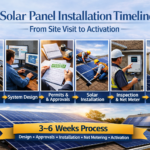
Site Assessment – Professionals inspect your roof orientation, shading, and structure.
-
System Design – Engineers design a system tailored to your energy needs.
-
Permits & Paperwork – Most solar companies handle the approvals and government permissions.
-
Installation – Panels and inverters are installed within 1–3 days.
-
Connection & Monitoring – The system is connected to the grid, and monitoring apps let you track production.
Maintenance and Lifespan
Solar panels require minimal maintenance. A simple cleaning twice a year and routine inspections ensure optimal efficiency. With an average lifespan of 25–30 years, solar systems are built to last.
Government Incentives and Financing Options
Subsidies and Tax Credits
Many governments provide solar subsidies and tax incentives to encourage homeowners to go green. In India, for example, the government offers subsidies up to 40% for residential solar projects. Similarly, in the U.S., homeowners benefit from federal tax credits of up to 30%.
Easy Financing and EMI Options
Solar companies now offer financing plans and EMI options, making the transition smoother. Instead of paying large upfront costs, you can start saving on electricity bills from day one.
Solar Battery Storage – The Future of Energy Independence
With the rise of solar battery storage, homeowners no longer need to rely solely on the grid. Batteries store extra energy during the day and release it at night, during peak hours, or during blackouts. This ensures 24/7 access to clean energy.
Brands like Tesla Powerwall and other local solutions are making storage more affordable and accessible, further supporting the idea of solar for homes: affordable, sustainable, and easy to install.
Common Myths About Solar Energy
Myth 1: Solar Panels Don’t Work in Cloudy Weather
Solar panels do work in cloudy or rainy conditions, although efficiency is reduced slightly. Modern panels are designed to capture diffused sunlight as well.
Myth 2: Solar Is Too Expensive
While this may have been true in the past, falling costs and subsidies make solar one of the most affordable energy solutions today.
Myth 3: Solar Panels Damage Roofs
On the contrary, solar panels often protect rooftops by shielding them from direct sunlight and weather damage.
Choosing the Best Solar Panels for Your Home
Types of Solar Panels
-
Monocrystalline Panels – High efficiency and sleek look.
-
Polycrystalline Panels – Budget-friendly and reliable.
-
Thin-Film Panels – Flexible and lightweight for special applications.
How to Select the Right System
Consider your energy consumption, roof space, budget, and long-term goals before selecting a system. Consulting with a trusted solar company ensures you make the right choice.
Future of Solar for Homes
Smart Solar Technology
Emerging technologies like AI-powered energy monitoring and smart inverters are making solar more efficient than ever.
Integration with Electric Vehicles
Many households are preparing for electric vehicle charging by integrating solar systems, reducing fuel costs and increasing sustainability.
Conclusion
The transition to solar energy is no longer a luxury—it’s a necessity. With falling prices, improved technology, and strong government support, solar for homes: affordable, sustainable, and easy to install has become the ultimate solution for homeowners looking to save money while protecting the environment.
Whether you are motivated by financial savings, energy independence, or a commitment to reducing your carbon footprint, solar is the smartest investment you can make today. Start your solar journey now and be part of a brighter, cleaner future.
FAQs
1. How much do solar panels cost for homes in 2025?
The solar panel cost for homes depends on system size, location, and panel type. On average, a 3–5 kW residential solar system may cost between $3,000–$8,000 (₹2.5–6.5 lakh in India) after subsidies. With falling costs and financing options, solar has become affordable for most households.
2. Are solar panels worth it for residential use?
Yes, solar panels are absolutely worth it. Homeowners usually recover their investment in 5–7 years through savings on electricity bills and government incentives. After that, solar energy is practically free for the remaining lifespan of the panels (25+ years).
3. Do solar panels work during cloudy days or at night?
Solar energy for home systems generate electricity even on cloudy days, though at reduced efficiency. At night, panels don’t produce power, but you can rely on solar battery storage or draw electricity from the grid if net metering is available.
4. How long do solar panels last?
Most best solar panels last between 25–30 years with minimal maintenance. Even after that, they continue to generate electricity, although at reduced efficiency. Regular cleaning and inspections ensure maximum lifespan.
5. What is solar battery storage, and do I need it for my home?
Solar battery storage allows you to store excess solar power generated during the day and use it at night or during power outages. While it’s optional, it’s a great solution for households that want energy independence and 24/7 access to renewable energy.