Solar Panels: Everything You Need to Know
The global shift toward renewable energy has brought solar panels into the spotlight. From homeowners looking to cut electricity costs to businesses aiming to reduce their carbon footprint, the demand for solar energy solutions has surged worldwide. This comprehensive guide, Solar Panels: Everything You Need to Know, explores how solar panels work, their benefits, costs, types, installation process, and essential considerations before making the switch.
What Are Solar Panels and How Do They Work?
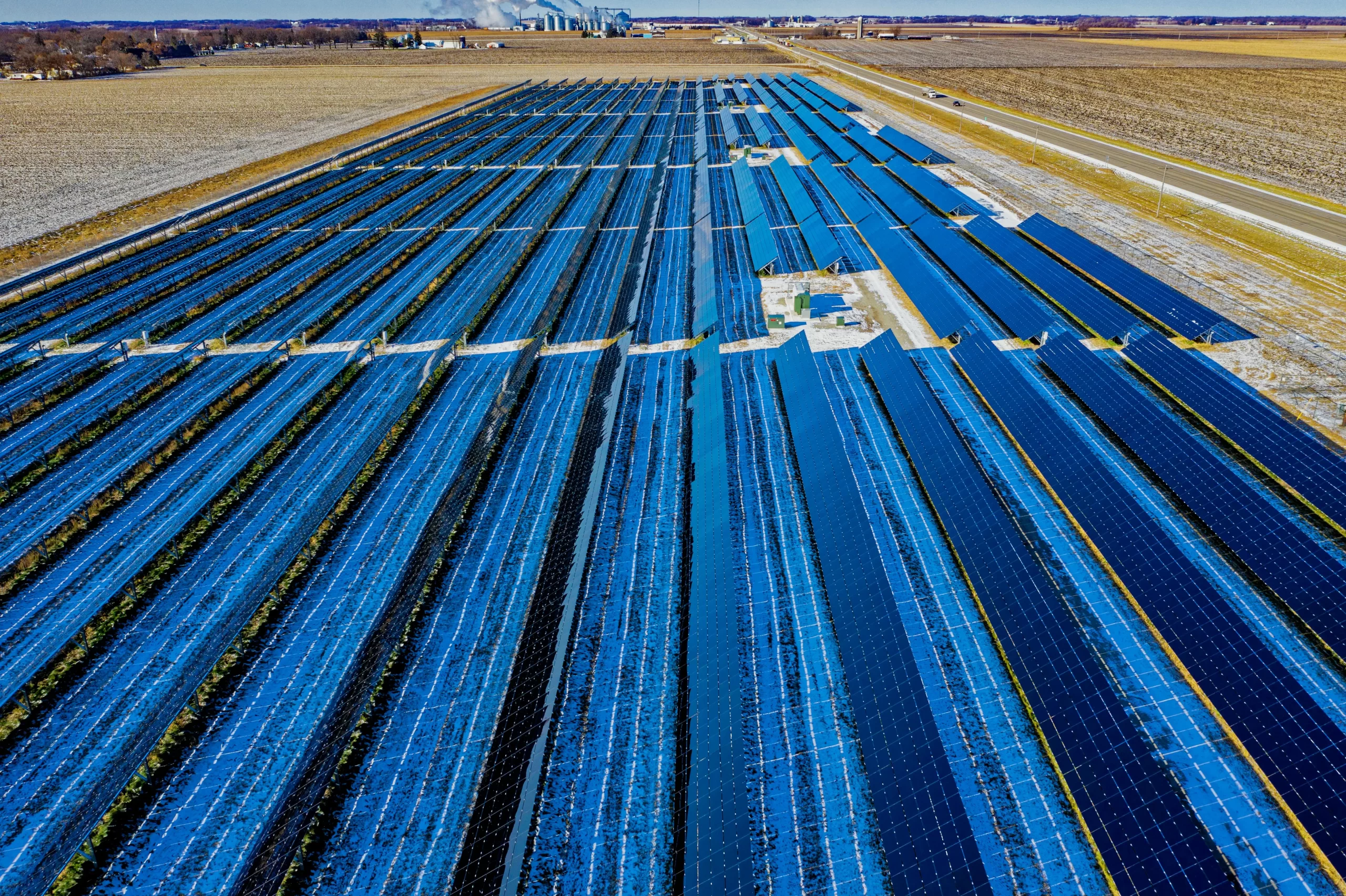
Solar panels are devices that convert sunlight into electricity using photovoltaic (PV) cells. These panels are typically mounted on rooftops or open land to capture maximum sunlight.
When sunlight hits the PV cells, they produce direct current (DC) electricity. An inverter then converts DC into alternating current (AC), which powers your home or business.
Key Components of a Solar Energy System
-
Solar Panels: Capture sunlight and generate electricity.
-
Inverter: Converts DC to usable AC power.
-
Battery Storage (optional): Stores excess energy for later use.
-
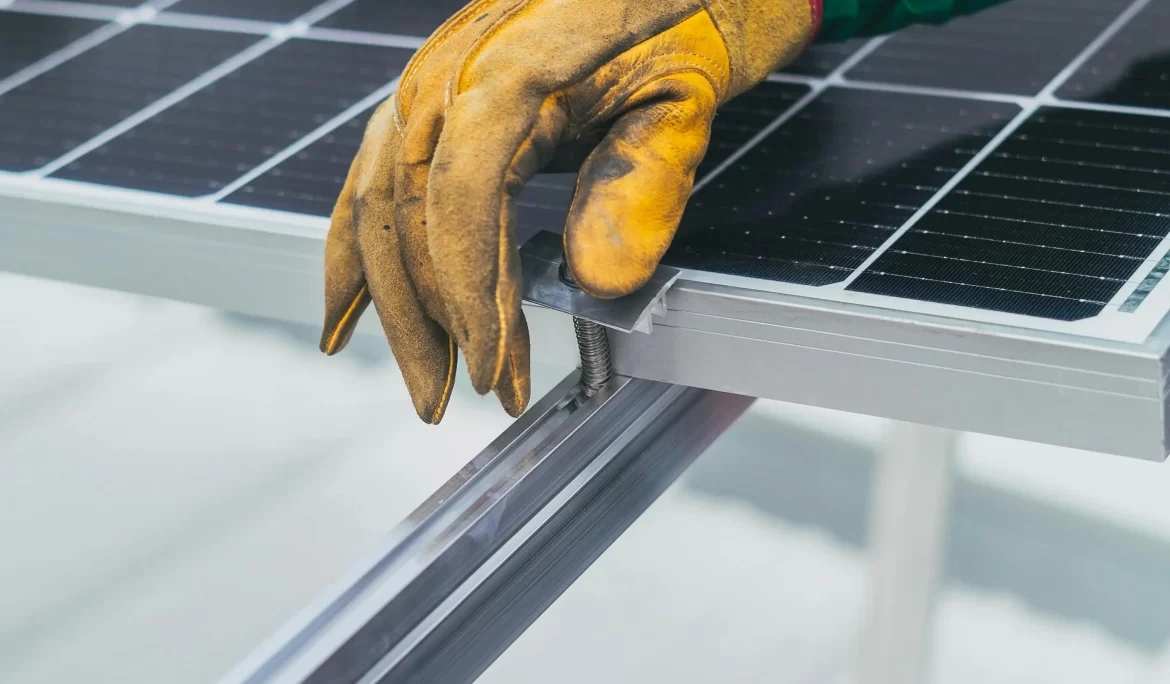
Mounting System: Secures panels safely on rooftops or ground structures.
-
Monitoring System: Tracks energy production and consumption.
With a growing emphasis on renewable energy, understanding these basics is essential when exploring solar panels: everything you need to know for your property.
Why Are Solar Panels So Popular?
1. Reduced Energy Bills
One of the primary reasons homeowners and businesses switch to solar is the significant reduction in energy bills. By generating your own power, you depend less on grid electricity, saving money over time.
2. Environmentally Friendly
Solar energy is clean, renewable, and emits zero greenhouse gases. It’s a sustainable alternative to fossil fuels.
3. Government Incentives & Tax Benefits
Many countries offer solar incentives, rebates, and tax credits for installing solar panels. These programs help lower upfront costs and accelerate return on investment.
4. Increased Property Value
Homes with installed solar panels often have higher resale value, making them a smart investment.
Types of Solar Panels: Which One Should You Choose?
Before installation, it’s crucial to know the types of solar panels available:
Monocrystalline Solar Panels
-
Made from single-crystal silicon.
-
High efficiency and space-saving.
-
Best suited for residential rooftops with limited space.
Polycrystalline Solar Panels
-
Made from multiple silicon fragments.
-
Slightly lower efficiency but cost-effective.
-
Ideal for larger installations with more roof space.
Thin-Film Solar Panels
-
Lightweight and flexible.
-
Less efficient, but great for unconventional installations like curved roofs.
Choosing the right type depends on your energy requirements, budget, and roof design. This is an important part of solar panels: everything you need to know before investing.
How Much Do Solar Panels Cost?
The solar panel cost varies depending on system size, quality, and location. On average:
-
Residential Solar Panels: $2,500–$25,000 (depending on system capacity).
-
Commercial Systems: $50,000 and above for large-scale projects.
Secondary costs include installation fees, inverters, batteries, and maintenance. While the upfront investment may seem high, most systems pay for themselves within 4–7 years due to energy savings and incentives.
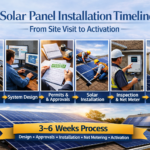
The Solar Panel Installation Process
1. Site Assessment
A professional solar company inspects your roof, sun exposure, and energy needs.
2. System Design & Permits
Customized plans are created, and necessary government permits are obtained.
3. Installation
Solar panels, inverters, and wiring are installed by certified technicians.
4. Inspection & Activation
Local authorities inspect the system, and once approved, you can start generating clean energy.
Hiring the best solar company near you ensures quality installation and long-term performance. Always check certifications and customer reviews before finalizing your installer.
Are Solar Panels Worth It? Pros and Cons
Advantages:
-
Significant long-term cost savings.
-
Environmentally friendly and sustainable.
-
Low maintenance requirements.
-
Increases property value.
Disadvantages:
-
High upfront investment.
-
Dependent on sunlight availability.
-
May require roof modifications.
Despite a few challenges, most homeowners find solar panels highly beneficial, especially with the availability of solar incentives and net metering programs.
Maintenance and Longevity of Solar Panels
Solar panels require minimal maintenance. Regular cleaning and occasional inspections ensure maximum efficiency. Most panels have warranties of 20–25 years, and their lifespan often exceeds 30 years.
Key tips for maintaining your solar system:
-
Clean panels every few months.
-
Check inverter performance regularly.
-
Schedule annual professional inspections.
Frequently Asked Questions (FAQs)
1. How much electricity can solar panels generate?
It depends on your location, sunlight hours, and system size. A typical 5kW system can generate 20–25 kWh per day.
2. Can solar panels work during cloudy days?
Yes, they still generate power but at a reduced capacity.
3. Do I need batteries for my solar system?
Not always. Batteries are optional but beneficial if you want backup power or live in an area with frequent power outages.
4. How long does installation take?
Most residential systems take 1–3 days, while larger projects may take weeks.
Future of Solar Energy: What Lies Ahead?
The solar energy industry continues to grow rapidly. With advancements like bifacial solar panels, smart inverters, and AI-based monitoring, the future is bright. Governments are also introducing stricter climate policies, which will further boost solar adoption.
By staying informed on solar panels: everything you need to know, you can make smarter decisions and benefit from this renewable energy revolution.
Conclusion
Switching to solar is no longer just an eco-friendly choice; it’s a smart financial decision. Whether you’re a homeowner or a business, understanding the cost, types, installation process, and benefits helps you maximize your investment.
This guide to Solar Panels: Everything You Need to Know equips you with all the essential details needed to start your journey toward a greener future.