

The Rise of Community Solar: Powering a Sustainable Future
The transition to clean, renewable energy is more important than ever in a world facing escalating climate change, rising electricity costs, and growing energy demand. Among the innovative solutions gaining traction, The Rise of Community Solar stands out as a powerful movement democratizing access to solar power. Unlike traditional rooftop solar, community solar projects allow multiple participants to benefit from a shared solar installation — regardless of whether they own a home or have a suitable rooftop. In this blog, we’ll explore The Rise of Community Solar, what it means for individuals and communities, and how it’s reshaping the renewable energy landscape.
What is Community Solar?
Understanding the Concept
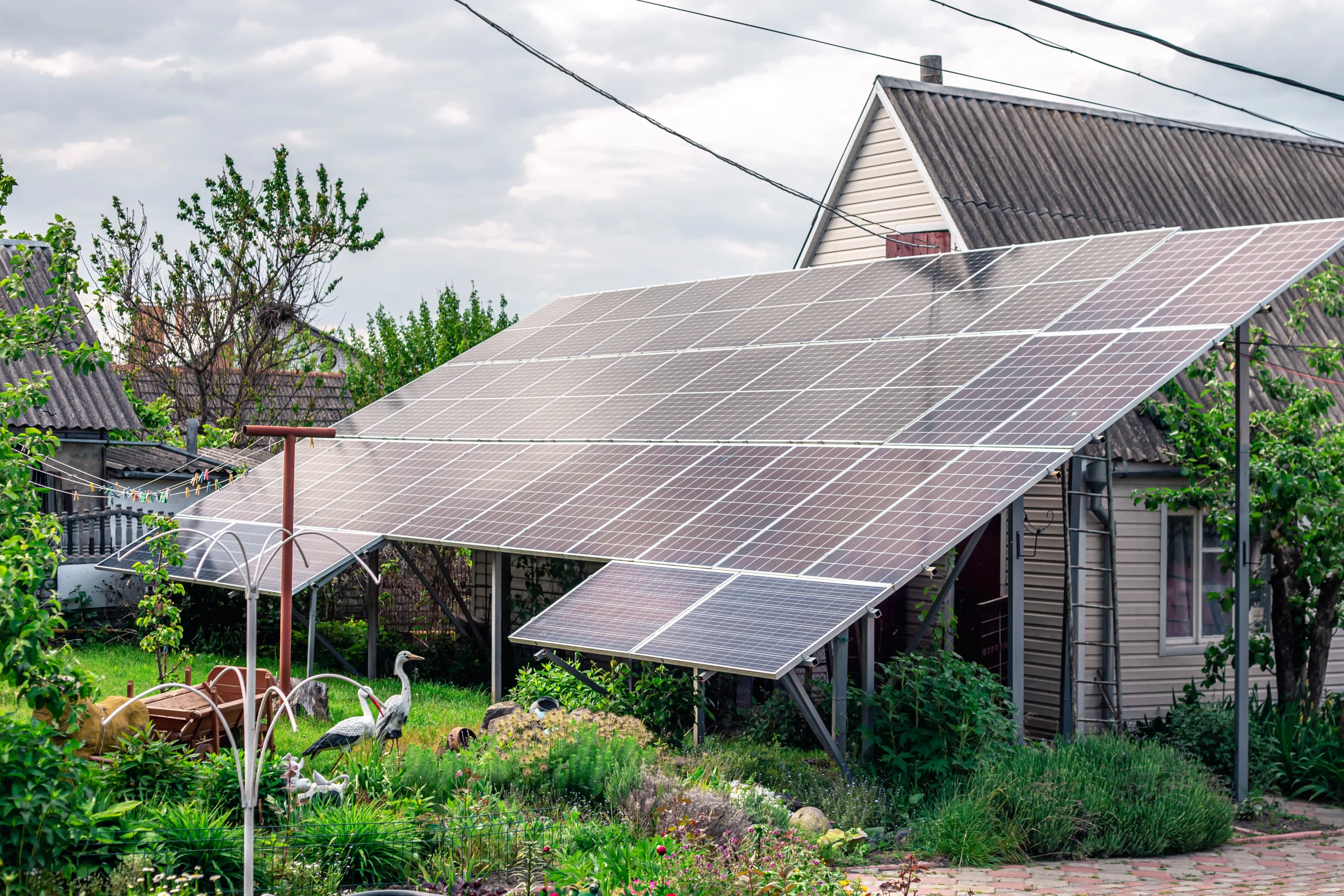
Community solar refers to a shared solar power installation that provides electricity to multiple customers. These customers — often called subscribers or participants — can include homeowners, renters, businesses, and even nonprofits. Rather than installing solar panels on individual rooftops, participants buy or lease a portion of a larger, centrally-located solar farm.
This model makes solar energy accessible to people who may not have the financial means, roof space, or ownership rights to go solar themselves. As a result, community solar expands the reach of renewable energy and creates more equitable access to clean power.
The Key Drivers Behind The Rise of Community Solar
1. Increasing Demand for Renewable Energy
As environmental concerns grow, more people are seeking cleaner alternatives to fossil fuels. According to multiple energy outlook reports, solar energy is among the fastest-growing renewable energy sources globally. Community solar plays a central role in this growth by removing traditional barriers to solar adoption.
2. Energy Cost Savings
One of the most compelling reasons behind The Rise of Community Solar is the potential for solar energy savings. Participants typically save money on their electricity bills because they receive credits on their utility bills for the energy generated by their share of the solar project. In many cases, these savings begin immediately after joining a community solar program.
3. Policy Support and Incentives
Government policies and incentives have been instrumental in accelerating the growth of community solar. Many states and countries offer tax incentives, rebates, and favorable net-metering policies that make community solar financially attractive. These policies encourage utilities and developers to invest in community solar projects, expanding their reach.
How Community Solar Works
Subscription Models
There are several models in which community solar projects operate:
-
Ownership Model: Participants buy a share of the solar installation and receive credits on their electricity bill for the power produced.
-
Subscription Model: Participants pay a monthly fee to subscribe to a portion of the community solar farm and receive bill credits.
-
Hybrid Models: Some programs offer a combination of ownership and subscription options.
In each case, the goal is to provide participants with access to clean energy and cost savings without the challenges of installing panels on their property.
Bill Credits and Virtual Net Metering
One of the core mechanisms that make community solar financially appealing is virtual net metering. This process allows participants to receive credits on their electricity bills for the energy their share of the solar project produces, even if the solar installation is not physically connected to their home. These credits often appear as a line-item reduction on utility bills, resulting in tangible monthly savings.
The Benefits of Community Solar
1. Accessibility and Inclusion
Community solar opens doors for people who previously couldn’t go solar:
-
Renters without roof access
-
Homeowners with shaded roofs
-
Low-income households
-
Residents of multi-family buildings
By lowering barriers, community solar fosters energy equity, enabling broader participation in the clean energy transition.
2. Environmental Impact
Every kilowatt-hour (kWh) generated by solar power reduces reliance on fossil fuels, cutting greenhouse gas emissions and air pollution. As more communities embrace solar, the cumulative environmental benefits grow. The rise in distributed solar generation contributes to a decentralized energy system that’s cleaner and more resilient.
3. Local Economic Growth
Community solar projects can boost local economies by creating jobs in construction, operations, and maintenance. Additionally, community solar often involves partnerships with local organizations, further anchoring economic benefits in the region.
4. Flexibility and Scalability
Community solar programs can be scaled to meet the needs of different communities — from small rural towns to large urban centers. This flexibility allows diverse groups to participate in the renewable energy transition on their terms.
Challenge: Regulatory Complexity
Community solar projects must navigate a patchwork of regulations that vary by state or country. Differences in utility policies, net metering rules, and subscription frameworks can complicate project development.
Solution: Policymakers and energy advocates are working to standardize regulations, streamline permitting, and ensure that community solar programs are accessible and financially viable for developers and participants alike.
Challenge: Upfront Costs
While participants often save money over time, there can be upfront costs associated with joining a community solar program.
Solution: Many programs offer flexible payment plans, low-cost subscriptions, and incentives to reduce initial barriers. Some community solar initiatives are specifically designed to support low-income households.
Challenge: Awareness and Participation
Despite its benefits, many people remain unaware of community solar or how to participate.
Solution: Outreach campaigns, partnerships with community organizations, and transparent information about programs can increase participation and educate residents about the advantages of community solar.
Real-World Examples of Success
Community Solar in Action
Across the United States and around the world, community solar is making a measurable impact:
-
Large Urban Projects: Cities are partnering with utilities to launch community solar farms that serve thousands of residents and businesses.
-
Rural Initiatives: Small towns are leveraging agricultural land to host solar arrays that benefit local subscribers.
-
Low-Income Programs: Some community solar projects are tailored to support underserved populations by reducing energy costs for those who need it most.
These examples highlight how The Rise of Community Solar is not just a trend — it’s a scalable solution that can be customized to diverse communities.
Future Outlook: Where Do We Go from Here?
Continued Growth and Innovation
The future of community solar looks promising. Advances in energy storage, smart grid technology, and policy frameworks will make community solar even more efficient and attractive. Energy storage, in particular, can help community solar projects deliver power when the sun isn’t shining, further reducing reliance on fossil fuels and enhancing grid stability.
A More Democratic Energy System
Community solar represents a shift toward a more democratic energy future — one in which individuals and communities have greater control over how their power is generated and consumed. This decentralization fosters resilience, promotes sustainability, and empowers people to take an active role in the energy transition.
Conclusion
The Rise of Community Solar is transforming the way we think about energy. By breaking down traditional barriers to solar adoption, community solar brings tangible benefits — including solar energy savings, environmental stewardship, and expanded access to clean power — to a broader audience. Whether you’re a homeowner, renter, business owner, or environmental advocate, community solar offers a compelling pathway to participate in the renewable energy revolution. As community solar continues to grow, it will play a pivotal role in shaping a cleaner, more equitable, and more sustainable energy future for all.