
What Are the Different Types of Solar Panels? (Monocrystalline, Polycrystalline, Thin-Film)
Introduction
As the world moves towards sustainable energy solutions, solar power has emerged as a leading choice for homeowners and businesses alike. Understanding the different types of solar panels—monocrystalline, polycrystalline, and thin-film—is crucial in making an informed decision that aligns with your energy needs and budget.
Understanding Solar Panel Technologies
Monocrystalline Solar Panels

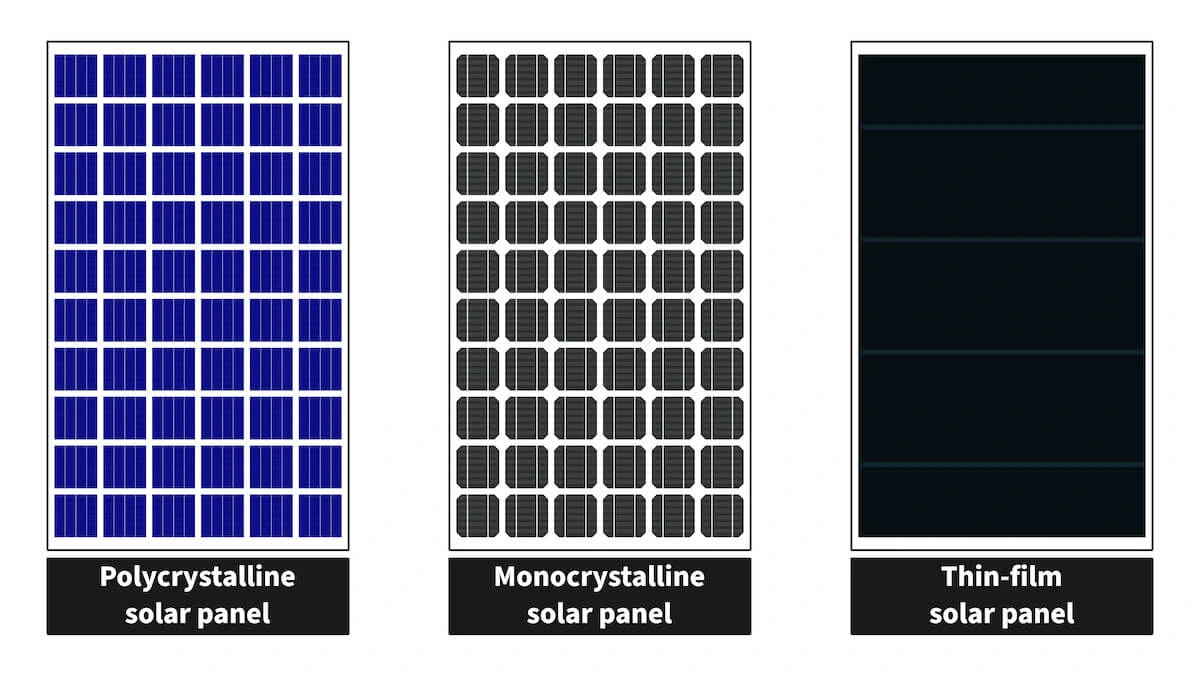
Monocrystalline solar panels are renowned for their high efficiency and sleek black appearance. They are made from a single continuous crystal structure of silicon, which allows electrons to flow more freely, resulting in higher energy conversion rates. Typically, these panels offer efficiencies ranging from 17% to 22%.
Advantages:
-
High Efficiency: Ideal for areas with limited space.
-
Longevity: Often come with warranties ranging from 25 to 30 years.
-
Performance: Better performance in low-light conditions.
Disadvantages:
-
Cost: Generally more expensive due to the manufacturing process.
-
Waste: The production process results in more silicon waste.
Polycrystalline Solar Panels
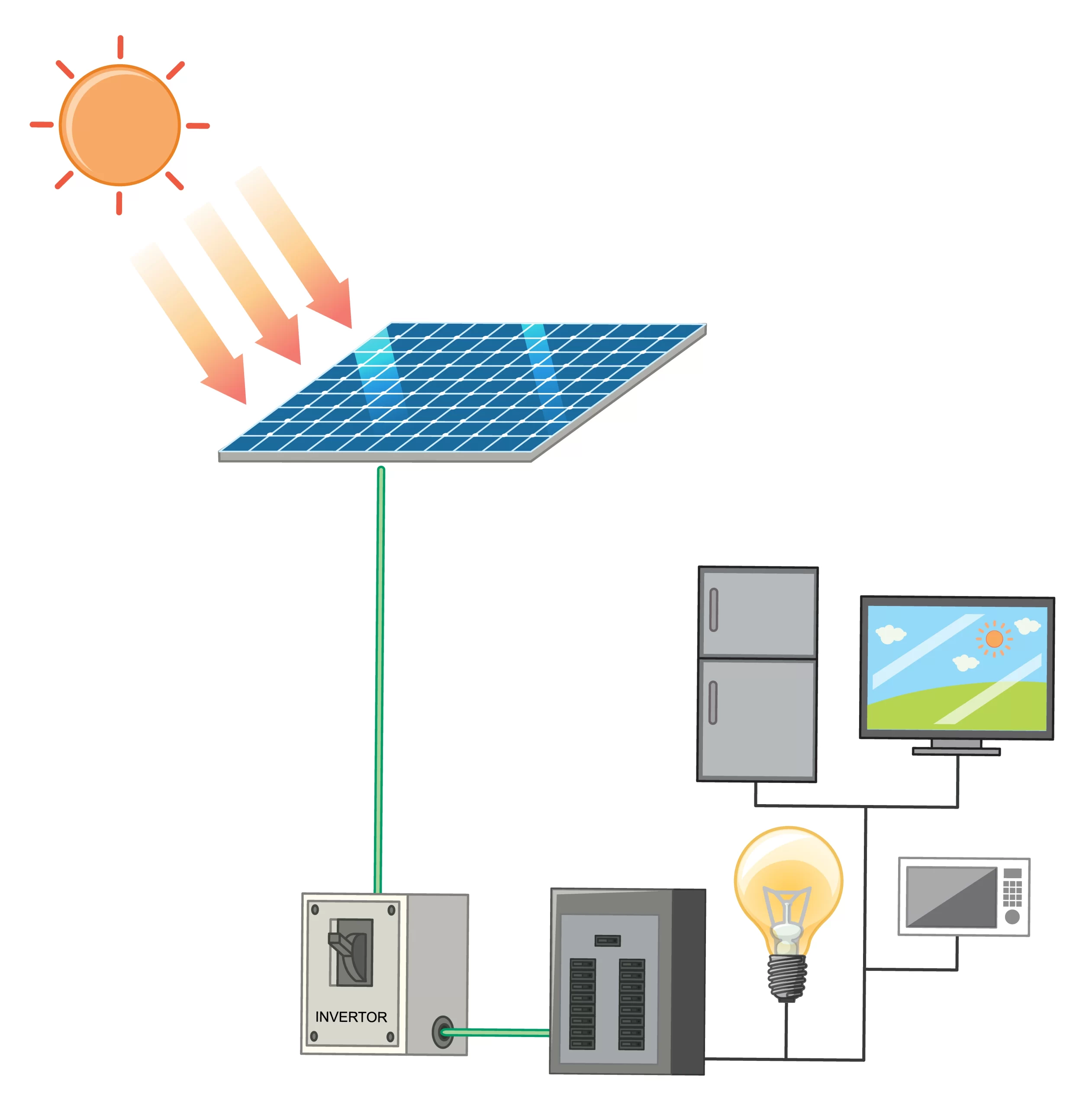
Polycrystalline solar panels are made from silicon crystals that are melted together. This process is less energy-intensive, making them more affordable than monocrystalline panels. However, they have a lower efficiency, typically between 15% and 17%.
Advantages:
-
Affordability: Lower cost makes them accessible for budget-conscious consumers.
-
Simplicity: Easier and less expensive to manufacture.
Disadvantages:
-
Lower Efficiency: Requires more space to produce the same amount of energy as monocrystalline panels.
-
Aesthetic Appeal: The blue hue may not be as visually appealing to some homeowners.
Thin-Film Solar Panels

Thin-film solar panels are made by depositing photovoltaic material onto a substrate, such as glass or metal. They are lightweight, flexible, and can be integrated into various surfaces. However, they have the lowest efficiency, ranging from 10% to 12%.
Advantages:
-
Versatility: Can be used in a variety of applications, including building-integrated photovoltaics.
-
Lightweight: Easier to handle and install, especially on unconventional surfaces.
Disadvantages:
-
Low Efficiency: Requires more space for installation.
-
Durability: Generally have a shorter lifespan compared to crystalline panels.
Comparative Analysis
| Feature | Monocrystalline | Polycrystalline | Thin-Film |
|---|---|---|---|
| Efficiency | High (17% – 22%) | Moderate (15% – 17%) | Low (10% – 12%) |
| Cost | High | Moderate | Low |
| Lifespan | 25-30 years | 20-25 years | 10-15 years |
| Space Requirement | Low | Moderate | High |
| Aesthetic Appeal | Sleek black | Blue hue | Uniform appearance |
| Ideal Use Case | Limited space areas | Budget installations | Flexible applications |
Choosing the Right Solar Panel
When selecting a solar panel, consider the following factors:
-
Available Space: Limited space areas benefit from the high efficiency of monocrystalline panels.
-
Budget: Polycrystalline panels offer a balance between cost and performance.
-
Application: Thin-film panels are suitable for unique installations due to their flexibility.
Conclusion
Each type of solar panel—monocrystalline, polycrystalline, and thin-film—has its unique set of advantages and considerations. By evaluating your specific needs, budget, and installation space, you can select the most appropriate solar panel technology to harness the power of the sun efficiently.